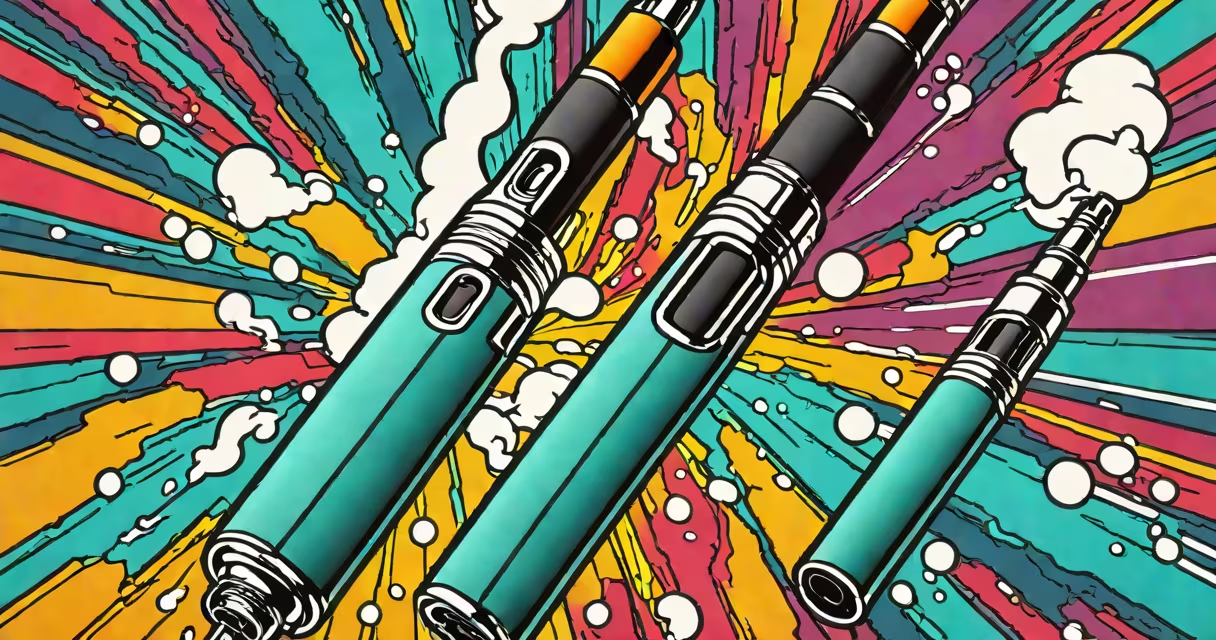
A vape is an electronic device that heats a liquid to produce an aerosol inhaled by the user. It delivers nicotine, THC, or flavorants without burning tobacco. Vaping is not smoking, but it carries health risks tied to lung and cardiovascular systems.
Vaping began gaining popularity in the early 2010s as a harm reduction tool for smokers. Devices range from small, discreet pens to larger, customizable mods. All function through a similar principle: heating a liquid into vapor using a coil and battery.
The core components include a battery, a heating element (coil), a tank or cartridge holding the liquid, and a mouthpiece. When activated, the battery powers the coil, which vaporizes the liquid. Users inhale the resulting aerosol through the mouthpiece.
When a user presses a button or draws air through the device, the battery sends power to the coil. The coil, usually made of nickel, titanium, or kanthal wire, heats rapidly. This heat turns the liquid-commonly called e-liquid or vape juice-into an aerosol.
The liquid typically contains propylene glycol (PG), vegetable glycerin (VG), flavorings, and optional additives like nicotine or THC. PG and VG form the base. PG produces a stronger throat hit; VG creates denser vapor. Most users choose blends based on preference.
For example, a common starter kit includes a 1000mAh battery, a 2ml refillable tank, and a pre-filled pod with 5% nicotine concentration. When the user draws on the mouthpiece, the device activates automatically via airflow sensor. The coil heats the liquid to around 200°C (392°F), producing visible vapor.
Vapes fall into several categories based on size, complexity, and intended use. The most common types are:
| Type | Size | Use Case | Common Features |
|---|---|---|---|
| Pod System | Small, pen-like | Beginners, on-the-go | Pre-filled pods, draw-activated, low maintenance |
| Disposable | Compact, single-use | Travel, trial users | No charging, built-in battery, limited lifespan |
| Mod (Box Mod) | Larger, box-shaped | Advanced users, customization | Variable voltage, replaceable batteries, rebuildable coils |
| Pen-style | Medium, cylindrical | Everyday use, balance of portability and performance | Adjustable wattage, refillable tank, standard coil |
Pod systems dominate the market due to ease of use. Brands like Juul, Puff Bar, and Elf Bar offer pre-filled pods with flavors such as mango, mint, or crème brûlée. These devices require no setup-just remove the cap and start drawing.
Advanced users often prefer mechanical mods or regulated boxes. These allow control over wattage, temperature, and resistance. For example, a user might set a mod to 15 watts with a 1.2-ohm coil to achieve a balanced flavor and vapor production.
Most users adopt vaping to reduce exposure to tobacco smoke. The CDC reports that 60% of adult vapers were former cigarette smokers. They cite fewer respiratory symptoms and reduced secondhand smoke risk as primary reasons.
Nicotine delivery is a major driver. Nicotine is addictive, but vaping delivers it with less combustion-related toxins than cigarettes. According to the Royal College of Physicians, vaping is estimated to be 95% less harmful than smoking tobacco.
Flavor variety also contributes. Over 7,000 unique e-liquid flavors exist, including dessert, fruit, and beverage profiles. A 2022 survey by the National Survey on Drug Use and Health found that 44% of youth who vaped cited flavor as their main reason.
Many assume vaping is safe because it lacks smoke. That's incorrect. The FDA warns that vaping products can contain harmful substances like formaldehyde, acrolein, and heavy metals-even in flavored liquids.
Another misconception is that vaping helps quit smoking. While some succeed, others switch between both. The NIH notes that dual use increases long-term health risks. A 2021 study found that 30% of people who started vaping while trying to quit smoking relapsed within six months.
Some believe all vapes are the same. In reality, device quality varies widely. Cheap, unregulated devices may have faulty batteries or leaky coils. One incident in 2019 involved a DIY vape battery exploding during use, causing facial burns. The CPSC reported over 100 such incidents between 2017 and 2020.
I used a JUUL-style device for eight months to cut down on smoking. My daily intake was 2-3 puffs per hour, mostly during breaks. The device had a 4% nicotine concentration and lasted about three days per charge.
After six months, I noticed improved breathing and reduced coughing. However, I also experienced mild dizziness and increased heart rate during physical activity. After consulting a pulmonologist, I learned that nicotine can improve blood pressure and affect lung function over time.
I eventually switched to a nicotine patch under medical supervision. My doctor emphasized that while vaping reduces exposure to tar and carbon monoxide, it still introduces nicotine into the bloodstream-a stimulant linked to addiction and cardiovascular strain.
Regulatory oversight differs by country. In the U.S., the FDA regulates e-cigarettes as tobacco products. Only devices with approved applications can be sold. As of 2023, over 1,000 brands have been banned from sale due to lack of compliance.
In the UK, the MHRA classifies vapes as medicinal products if marketed for smoking cessation. Approved devices must meet strict standards for emissions and labeling. The NHS recommends using licensed stop-smoking aids over unregulated vapes.
One key distinction: not all vaping involves nicotine. Some users vape CBD or THC for relaxation or pain relief. However, these substances are not approved for inhalation by the FDA. The agency warns that unregulated cannabinoid products may contain contaminants like vitamin E acetate, linked to EVALI (e-cigarette or vaping product use-associated lung injury).
What is vape? It's a device that vaporizes liquid for inhalation, primarily used for nicotine delivery. While it offers a less harmful alternative to smoking for some, it carries risks including addiction, lung damage, and unknown long-term effects.
Understanding the mechanics, types, and health implications of what is vape helps users make informed choices. Always consult a healthcare provider before starting or stopping any nicotine product.