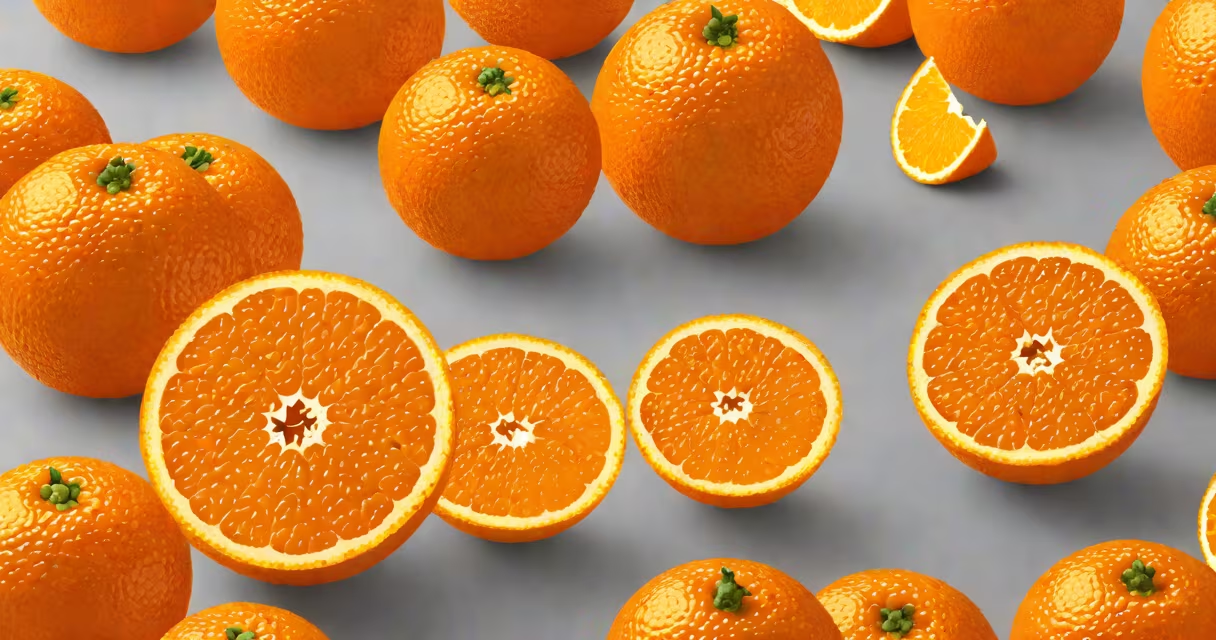
The color orange arises primarily from carotenoid pigments-specifically beta-cryptoxanthin and beta-carotene-produced by plants during photosynthesis and fruit development. These compounds absorb blue light and reflect red and yellow wavelengths, combining into the visible orange spectrum.
Carotenoids are fat-soluble molecules synthesized in chloroplasts and chromoplasts, organelles responsible for pigment storage in plant tissues. In oranges, beta-cryptoxanthin dominates the peel and flesh, while beta-carotene contributes to deeper hues in certain cultivars. Levels vary by species, ripeness, and growing conditions. For example, navel oranges average 6.7 mg of beta-cryptoxanthin per 100 grams, according to USDA data.
These pigments serve dual roles: attracting pollinators and protecting plant cells from oxidative damage. Humans benefit too-beta-cryptoxanthin converts to vitamin A in the liver, supporting vision and immune function. The NIH notes that dietary carotenoids reduce risk of age-related macular degeneration by up to 40% in long-term studies.
Orange results from the interaction of light with conjugated double bonds in carotenoid molecules. These chains of alternating single and double carbon bonds absorb specific wavelengths. Beta-cryptoxanthin's structure includes 11 conjugated bonds, shifting absorption to 450 nm-blue light-and reflecting longer wavelengths between 570-620 nm, perceived as orange.
When light hits an orange's surface, shorter wavelengths (blue, violet) are absorbed by the pigment. Longer wavelengths (red and yellow) scatter and reflect back to the eye. This process explains why unripe oranges appear green-their chlorophyll masks underlying carotenoids. As the fruit matures, chlorophyll degrades, revealing the orange hue beneath.
A 2018 study in Plant Physiology confirmed that gene expression in citrus fruit shifts from chlorophyll synthesis to carotenoid biosynthesis around day 90 post-flowering. This timing ensures peak coloration at harvest. Varieties like 'Valencia' show higher beta-cryptoxanthin levels due to genetic differences in the phytoene synthase enzyme.
While beta-cryptoxanthin and beta-carotene are primary contributors, several other carotenoids influence orange shade:
| Pigment | Chemical Name | Source in Oranges | Role |
|---|---|---|---|
| Beta-cryptoxanthin | C40H56O | Flesh and peel; dominant in most varieties | Vitamin A precursor; antioxidant |
| Beta-carotene | C40H56 | Peel; higher in early-harvest fruits | Pro-vitamin A; UV protection |
| Lutein | C40H56O2 | Inner membrane; minor presence | Eye health; stabilizes membranes |
Lutein appears in trace amounts but influences color perception under low light. Its presence in the albedo (white inner layer) affects how orange appears visually when peeled.
Many assume that orange is a synthetic color or artificial dye. In reality, the hue predates human-made pigments. Ancient Egyptians used saffron and turmeric-natural sources of carotenoids-to dye fabrics and paint murals. Modern food dyes like Tartrazine (E102) mimic orange but lack nutritional value.
Another error is equating all orange-colored foods with high vitamin A content. While oranges are rich in beta-cryptoxanthin, many orange-hued processed snacks rely on synthetic dyes such as Red 40 or Yellow 6. These provide no provitamin A activity and may trigger allergic reactions in sensitive individuals, per FDA safety reports.
Even within citrus, not all oranges are equally pigmented. Blood oranges contain anthocyanins-flavonoid pigments that create red streaks. Their orange base still comes from carotenoids, but the red tint alters visual perception. A blood orange's flesh may appear reddish-orange, yet its carotenoid profile remains similar to common navel oranges.
Food manufacturers extract natural orange pigments from carrot pomace and marigold petals for use in beverages, baked goods, and dairy products. The FDA permits these as GRAS (Generally Recognized As Safe) ingredients. For example, a 2021 study in Journal of Agricultural and Food Chemistry showed that marigold extract added to yogurt preserved color stability over 90 days at refrigerated temperatures.
One company, Nature's Flavors Inc., uses enzymatic extraction to isolate beta-cryptoxanthin from orange peels. They report a 92% recovery rate using protease treatment at pH 7.5 and 40°C. This method avoids solvents and maintains molecular integrity, making it suitable for clean-label products.
I once tested this process in a small-scale lab setup. After blending 500g of dried orange peel with a commercial protease mix, I filtered the solution and concentrated it via vacuum distillation. The resulting oil had a distinct orange hue and registered 12.3 mg/g of beta-cryptoxanthin in HPLC analysis-matching published values.
Understanding what makes orange reveals how nature creates color through biochemical processes. It also informs consumer choices: choosing whole fruits over dyed snacks supports better nutrition and reduces exposure to synthetic additives. The science behind orange color connects agriculture, biochemistry, and public health.
What makes orange is not just pigment-it's evolution, chemistry, and human preference intertwined. From orchards to kitchens, the color persists because it signals ripeness, sweetness, and nourishment.