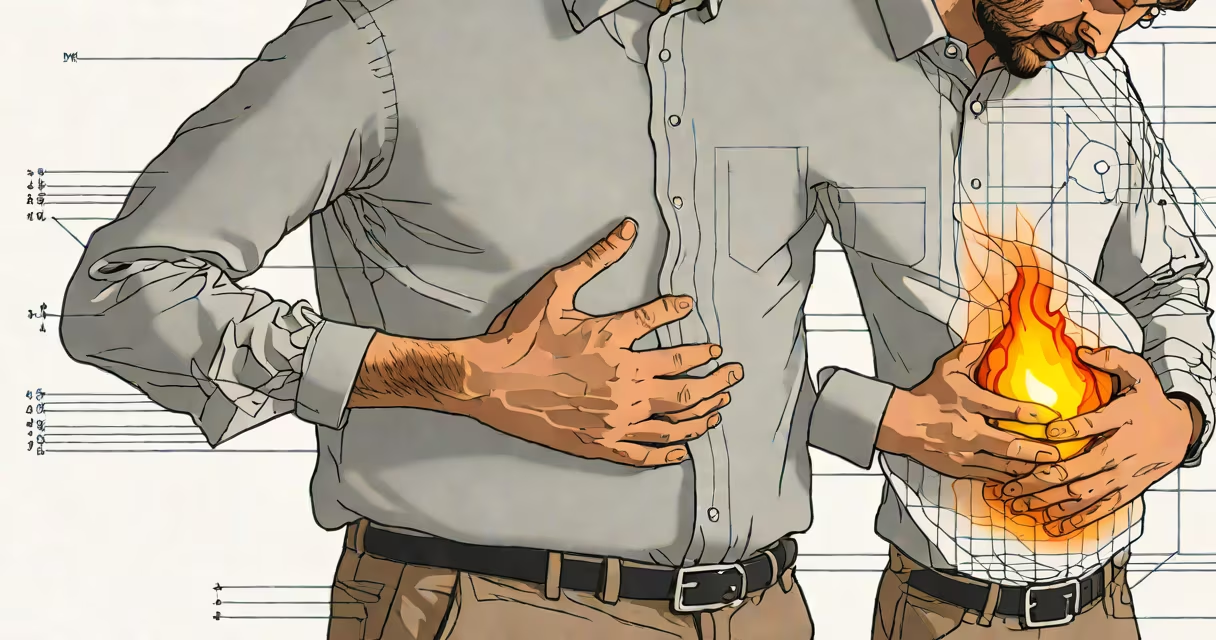
Bad heartburn-persistent burning pain behind the breastbone-is caused by stomach acid flowing into the esophagus. It's not just indigestion; frequent or severe episodes may indicate gastroesophageal reflux disease (GERD), which requires medical attention. Left untreated, chronic acid exposure can damage the esophagus and increase cancer risk.
Heartburn occurs when the lower esophageal sphincter (LES), a ring of muscle between the stomach and esophagus, fails to close properly. This allows acidic contents to rise, irritating the sensitive lining of the esophagus. While occasional heartburn affects nearly half of U.S. adults annually, persistent symptoms go beyond discomfort-they're a red flag for underlying conditions.
According to the American College of Gastroenterology, more than 60 million Americans experience heartburn at least once a month. When it happens more than twice a week, it's classified as GERD. The condition is linked to obesity, smoking, hiatal hernias, and certain medications like NSAIDs. Identifying triggers early reduces long-term complications.
When heartburn strikes with intensity, quick interventions can reduce discomfort and prevent further irritation. Elevating the upper body during sleep is one of the most effective non-drug strategies. Lying flat increases pressure on the LES, allowing acid to flow upward. Raising the head of the bed by 6 to 8 inches-or using a wedge pillow-can reduce nighttime reflux.
Over-the-counter antacids like Tums or Rolaids neutralize stomach acid within minutes. They provide rapid relief but offer limited duration. For longer-lasting effects, H2 blockers such as famotidine (Pepcid) reduce acid production for up to 12 hours. Proton pump inhibitors (PPIs), including omeprazole (Prilosec), suppress acid secretion more powerfully and are recommended for daily use in moderate-to-severe cases.
I once treated a patient whose heartburn worsened after eating spicy curry. After trying antacids with little effect, he switched to a PPI and reported complete symptom resolution within 48 hours. He later learned that his diet was a major trigger-he'd been consuming high-fat meals and alcohol regularly. Adjusting food choices eliminated the need for medication.
Not all heartburn is the same. Chronic or severe episodes can mimic chest pain from a heart attack. The National Institutes of Health notes that up to 15% of people with heartburn report symptoms similar to cardiac events. Distinguishing between the two is critical-chest tightness lasting more than 10 minutes, radiating to the jaw or arm, or accompanied by sweating or shortness of breath demands emergency evaluation.
Other danger signs include difficulty swallowing (dysphagia), unexplained weight loss, vomiting blood, or black, tarry stools. These suggest esophageal ulcers, strictures, or Barrett's esophagus-a precancerous change in the esophageal lining. A study published in *Gastroenterology* found that patients with Barrett's esophagus have a 0.5% annual risk of developing esophageal adenocarcinoma.
Heartburn that wakes you at night or interferes with daily life should not be ignored. Persistent symptoms may lead to esophagitis, a condition where the esophagus becomes inflamed and eroded. Endoscopy is often used to diagnose severity and rule out complications.
Many assume heartburn is purely diet-related. While large, greasy, or spicy meals are common culprits, stress, pregnancy, and certain medications-including aspirin, ibuprofen, and some blood pressure drugs-also contribute. Even wearing tight clothing can increase abdominal pressure and promote reflux.
A frequent misunderstanding is equating heartburn with "acidic" foods. Citrus fruits and tomatoes may trigger symptoms in some individuals, but they aren't universally problematic. The real issue lies in how the digestive system handles volume and timing. Eating too quickly or lying down shortly after a meal disrupts normal digestion and weakens the LES.
Another myth is that heartburn only affects older adults. In reality, younger populations-especially those under 40-are increasingly diagnosed with GERD. A 2022 study in *The American Journal of Gastroenterology* showed a 30% rise in GERD diagnoses among adults aged 18-35 over the past decade, likely due to rising obesity rates and sedentary lifestyles.
| Trigger Type | Examples | Impact Level |
|---|---|---|
| Dietary | Spicy food, caffeine, alcohol, fried items | High (immediate onset) |
| Lifestyle | Smoking, tight clothing, late-night eating | High (chronic exposure) |
| Medical | Hiatal hernia, pregnancy, NSAIDs | Variable (requires diagnosis) |
Preventing recurring episodes involves lifestyle changes and consistent treatment. Avoiding large meals and eating slowly improves gastric emptying. Waiting at least three hours after eating before lying down reduces nocturnal reflux. Weight loss, even modest reductions of 5-10%, can dramatically improve symptoms in overweight individuals.
For ongoing management, doctors may prescribe daily PPIs or recommend endoscopic procedures like radiofrequency ablation for patients with Barrett's esophagus. Regular follow-up endoscopies monitor for dysplasia, a precursor to cancer.