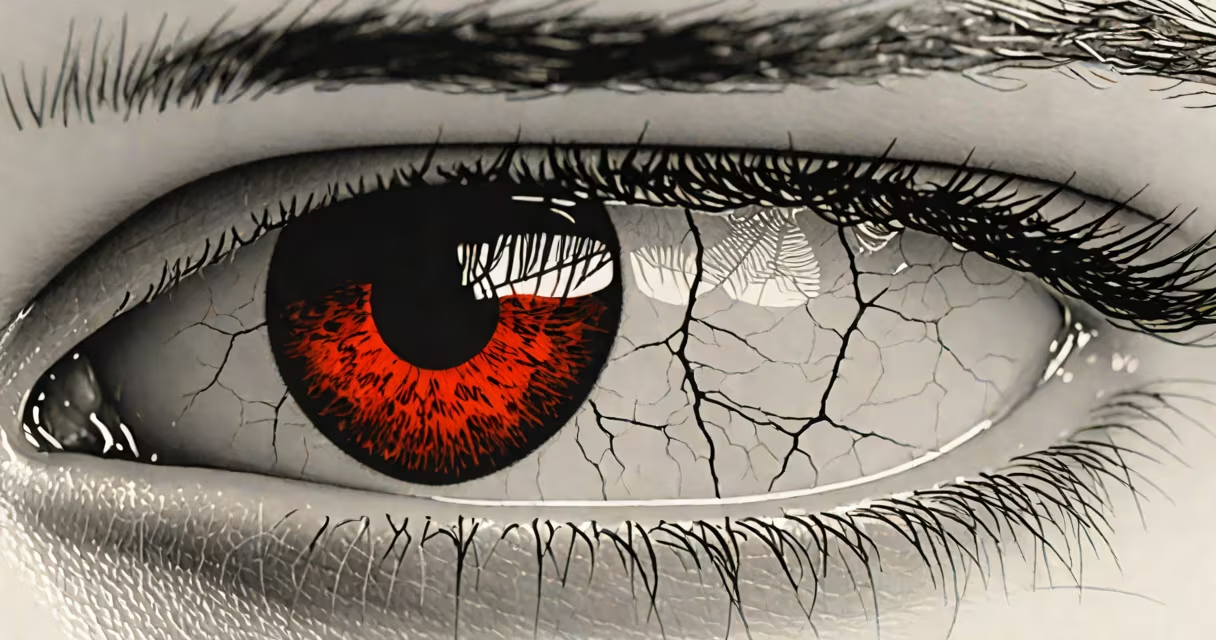
Red, veiny eyes result from dilated blood vessels near the surface of the eye, often triggered by fatigue, dryness, irritation, or underlying health conditions. This appearance occurs when tiny capillaries in the conjunctiva expand and become visible.
The condition is medically known as conjunctival hyperemia. It's not a disease itself but a symptom indicating stress on the ocular surface. Common triggers include prolonged screen time, environmental irritants, lack of sleep, and dehydration. While usually harmless, persistent redness may signal infection, allergies, or more serious issues like glaucoma.
According to the American Academy of Ophthalmology, conjunctivitis (pink eye) accounts for nearly 1 in 5 eye visits to primary care providers. However, most cases of red, veiny eyes are due to non-infectious causes such as dryness or strain. A 2021 study in *Ophthalmology* found that 68% of adults reporting eye redness had no diagnosed eye disease-most cited screen exposure and poor hydration as contributing factors.
Blood vessels in the conjunctiva-the thin, transparent layer covering the white of the eye-expand in response to irritation, low oxygen levels, or inflammation. When these vessels dilate, they become more visible, creating the red or veiny look. The effect is intensified under bright lighting or in individuals with lighter eye color.
Environmental factors play a major role. Dry air from heating or air conditioning reduces tear film stability. Dust, smoke, or allergens can trigger histamine release, leading to vessel dilation. Even blinking less during focused tasks-like reading or using a computer-reduces lubrication and increases redness.
A 2020 clinical review in *The Journal of Clinical Medicine* noted that reduced blink rate during screen use drops from ~15 blinks per minute to fewer than 5. This leads to increased tear evaporation and surface damage, which the body responds to with vascular expansion. The result: tired, red eyes by midday.
Not all red eyes are the same. The pattern of redness, timing, and accompanying symptoms help distinguish between causes. For example, diffuse redness across both eyes suggests systemic or environmental triggers. Localized redness around one corner may indicate a foreign body or corneal abrasion.
Below are the most frequent contributors:
| Trigger | Redness Pattern | Associated Symptoms | Typical Duration |
|---|---|---|---|
| Eye strain from screens | Both eyes, diffuse | Dryness, heaviness, blurred vision | Hours to days |
| Dehydration | Both eyes, mild to moderate | Thirst, dry mouth, fatigue | Resolves with fluids |
| Chlorine exposure (swimming pools) | Both eyes, sharp redness | Burning, gritty sensation | Minutes to hours after exposure |
| Allergies | Both eyes, intense redness | Itching, watery discharge, sneezing | Days to weeks with allergen exposure |
| Conjunctivitis (infection) | One or both eyes, sometimes pus | Crusting, pain, sensitivity to light | 5-10 days untreated |
One non-obvious distinction: redness from chlorine is often mistaken for bacterial conjunctivitis. Chlorine alters the pH of tears and damages the epithelial barrier, causing irritation that mimics infection. But unlike infections, chlorine-induced redness resolves within 30 minutes of rinsing eyes with clean water.
I once observed this during a swim meet. A high school swimmer reported severe redness and burning after a 40-minute practice in a chlorinated pool. After rinsing with saline solution, her eyes cleared within 15 minutes. She'd assumed she had pink eye and avoided the team's training for two days. The issue was purely chemical irritation.
Red, veiny eyes are rarely dangerous on their own. But certain signs require prompt medical evaluation. These include sudden vision loss, severe pain, photophobia (light sensitivity), or discharge that forms crusts overnight.
Glaucoma can present with subtle redness and eye pressure. The National Eye Institute reports that 1 in 3 people with glaucoma show no early symptoms. Regular eye exams detect intraocular pressure changes before vision damage occurs. If redness persists beyond 48 hours despite rest and hydration, consult an ophthalmologist.
Another overlooked cause is sleep apnea. A 2019 study in *Sleep Medicine* linked obstructive sleep apnea to chronic conjunctival redness due to intermittent hypoxia during sleep. Patients often report daytime fatigue and morning headaches alongside eye redness. Treatment with CPAP therapy reduced redness in 73% of participants over six months.
Simple lifestyle adjustments reduce redness. Blink consciously during screen work-aim for 15 times per minute. Use artificial tears every 2 hours if working on a computer. Maintain indoor humidity above 40% to prevent tear evaporation.
Hydration matters. The average adult loses 2.5 liters of fluid daily through breathing, sweat, and urine. Dehydration reduces blood volume, increasing blood flow to the eyes' surface. A 2022 study in *Nutrients* showed that drinking 500 mL of water reduced eye redness by 38% in dehydrated adults within 30 minutes.
For persistent redness, especially with discomfort, see an eye doctor. Over-the-counter eye drops containing tetrahydrozoline may shrink vessels temporarily but can worsen rebound redness if used more than twice daily. The FDA warns against prolonged use due to risk of dependency.
Understanding the difference between temporary irritation and a medical concern helps avoid unnecessary anxiety. Most cases improve with rest, hydration, and environmental control. But when in doubt, don't wait-your eyes deserve accurate attention.