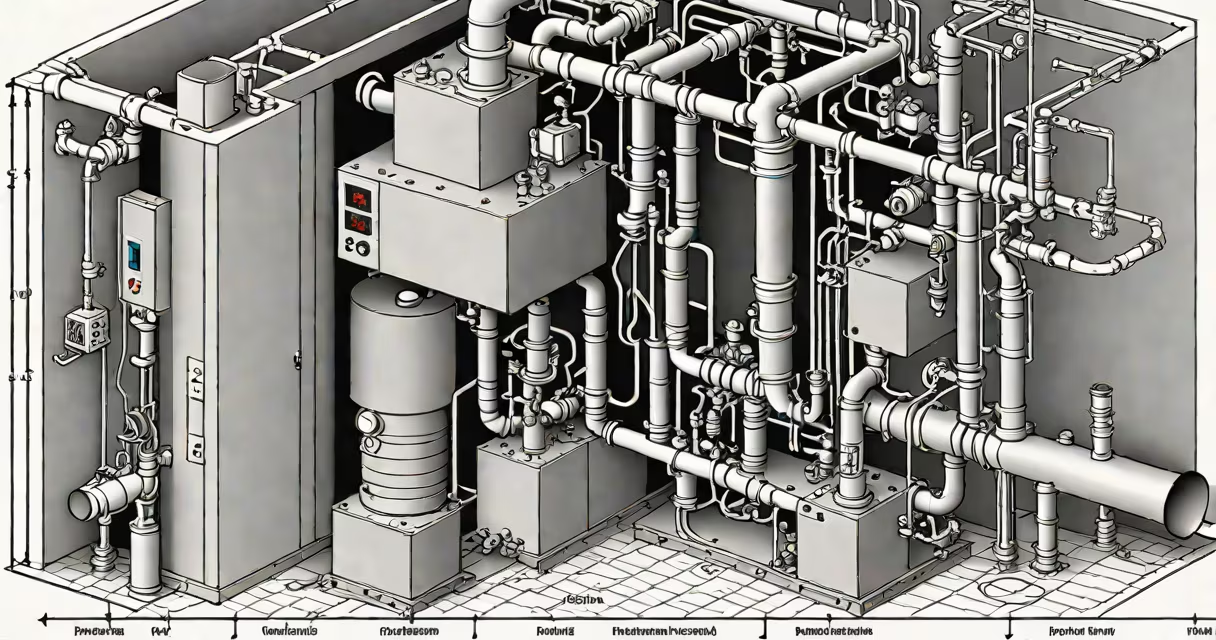
Your home's heating system type is determined by how heat is distributed and what fuel or energy source powers it. Common types include forced-air furnaces, hydronic (hot water) boilers, and radiant floor systems. Identifying yours involves checking visible components, listening for operating sounds, and observing how heat spreads through rooms.
Forced-air systems use a furnace powered by gas, oil, or electricity to heat air, which then travels through metal ducts into rooms via vents. Hydronic systems rely on a boiler that heats water, circulated through pipes to radiators or baseboard heaters. Radiant systems embed heated tubing beneath floors or within walls, emitting warmth directly into the room. Each uses different infrastructure and shows distinct signs during operation.
Most homes use one primary system type. A single-family house may have a gas furnace with central ductwork. An older apartment building might run on steam radiators connected to a central boiler. A modern home with underfloor heating likely uses a radiant system paired with a heat pump. Knowing your system type helps with maintenance, repairs, and efficiency upgrades.
Forced-air systems draw cold air from return grills, pass it over a heat exchanger in the furnace, and blow warmed air through supply registers. The process repeats until the thermostat reaches the set temperature. This creates noticeable airflow and a brief burst of warm air when the system starts.
Hydronic systems heat water in a boiler, pump it through insulated pipes to radiators or baseboards, and return cooled water to the boiler. Heat transfers via convection and radiation. You'll hear gentle gurgling or hissing as water flows through pipes, especially when the system turns on.
Radiant systems use electric or hot water tubing embedded in floors or walls. Electric versions activate instantly when the thermostat triggers them. Hot water radiant systems take longer to warm up but maintain consistent temperatures. They produce no drafts and operate quietly, making them ideal for sensitive environments.
The three main categories differ in installation, fuel source, and performance. Understanding each helps identify your system.
| Type | Fuel Source | Heat Distribution | Typical Location | Key Signs |
|---|---|---|---|---|
| Forced Air Furnace | Gas, oil, electric | Air through ducts | Basement, utility closet, attic | Blowing air from floor or ceiling vents; humming sound when running |
| Hydronic Boiler | Gas, oil, electric | Water in radiators or baseboards | Basement, mechanical room | Gurgling or popping noises; warm radiators or baseboards |
| Radiant Floor Heating | Electric, hot water, heat pump | Direct floor/wall emission | Under concrete or tile flooring | Even warmth across floor; no vents or radiators |
Forced-air systems dominate North American homes. About 60% of U.S. homes use gas-powered furnaces, according to the U.S. Energy Information Administration (EIA). These systems often include air conditioning, making them dual-purpose HVAC units.
Hydronic systems are common in older buildings and colder climates. They provide steady, even heat and are quieter than forced air. However, they require more space for piping and radiators, and repairs can be complex due to leaks or pressure issues.
Radiant systems offer comfort and energy efficiency. The Department of Energy notes that radiant floors reduce energy loss by up to 30% compared to forced air, because heat rises slowly and evenly. But they're expensive to install and hard to repair once covered by flooring.
Forced-air systems are standard in new construction. Builders favor them because ductwork fits easily into wall cavities and attics. They also integrate well with central AC, making them cost-effective for year-round climate control.
Hydronic systems suit historic homes and multi-unit buildings. Their ability to deliver consistent heat without dry air makes them suitable for people with allergies or respiratory conditions. The EIA reports that 18% of U.S. homes with central heating use boilers, mostly in urban areas.
Radiant systems appear in high-end homes and renovations. They're popular in bathrooms and kitchens where comfort matters. A 2022 study by the National Institute of Standards and Technology found that occupants in homes with radiant floors reported 22% higher thermal satisfaction than those with forced air.
Many assume all heating systems use vents. That's false. Radiant floors and hydronic baseboards don't rely on air movement. If your home warms evenly without blowing air, it's not forced air.
Another mistake is equating furnace noise with system type. A loud bang when the furnace starts is normal for gas models. But if you hear constant banging or rumbling from pipes, it's likely a hydronic system with trapped air or pressure imbalance. This requires bleeding radiators or adjusting the pressure relief valve.
Some homeowners confuse heat pumps with furnaces. Heat pumps move heat rather than generate it. They work in both heating and cooling modes, using refrigerant cycles. A heat pump can replace a furnace in mild climates but struggles below freezing. If your system runs silently and cools in summer, it may be a heat pump, not a furnace.
I once inspected a 1920s apartment in Boston where tenants thought their system was a furnace. The building had no ducts. When I opened a baseboard cover, I found warm water flowing through copper tubing. The system was a steam boiler, not a furnace. This mismatch led to poor heat distribution and frequent service calls. Correcting the diagnosis saved the landlord $1,200 in unnecessary repairs.
Start by locating the main unit. Check basements, closets, or mechanical rooms. Look for a large metal box (furnace), a tank-like boiler, or uninsulated pipes leading to radiators.
Turn on the heat and observe. If air blows from floor or ceiling vents, it's forced air. If radiators warm up slowly and make gurgling sounds, it's hydronic. If the floor feels warm but no vents or radiators are present, it's radiant.
Check your thermostat. If it controls both heat and cooling, it's likely a forced-air system. If it only controls heating, and the system takes time to warm up, it may be hydronic or radiant.
If you're still unsure, consult your home's original blueprints or contact a licensed HVAC technician. They can inspect the system and confirm the type based on model numbers and installation details.
Understanding your heating system type informs maintenance schedules, repair costs, and upgrade options. For example, replacing a failing furnace with a high-efficiency model can cut energy bills by 20%. Upgrading to a smart thermostat improves control and saves 10% annually, according to the EPA.
Knowing what type of heating you have prevents misdiagnosis and costly errors. planning a renovation, identifying your system is the first step toward effective solutions.
If you're exploring different business structures, consider how heating choices affect operational costs and tenant comfort in commercial spaces.