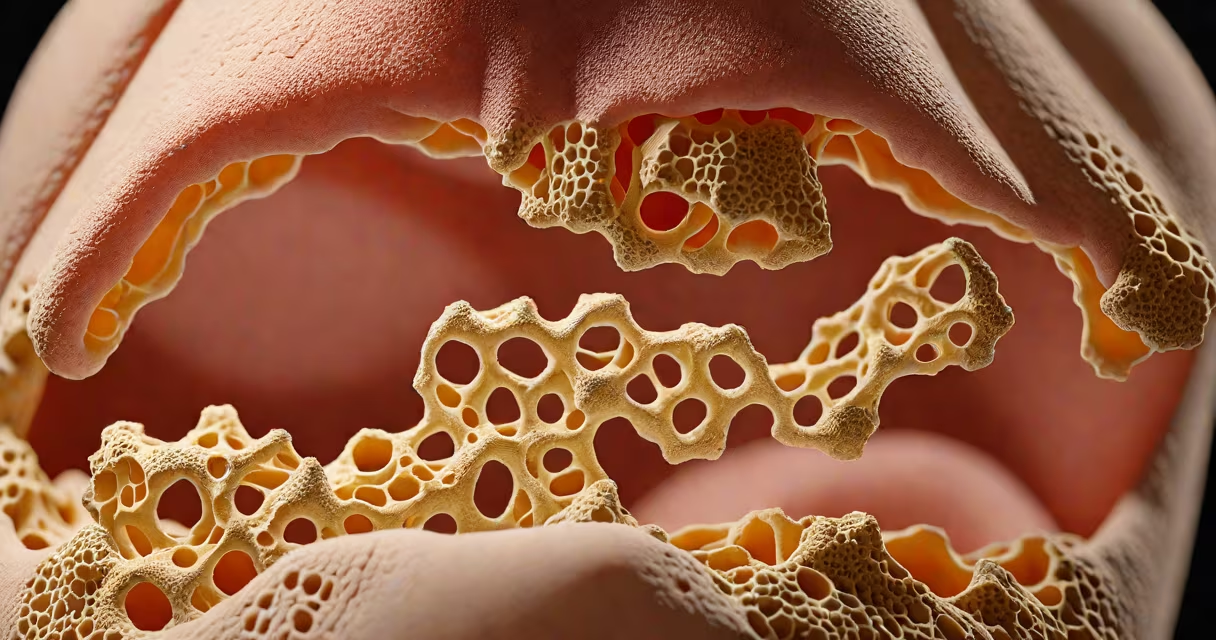
Dry sinuses occur when the mucous membranes lining the nasal passages lose moisture, leading to irritation, crusting, and increased susceptibility to infections. This condition results from environmental exposure, dehydration, medications, or underlying health issues affecting mucus production.
The nasal cavity relies on a thin layer of mucus to trap dust, pathogens, and allergens. When this layer dries out, the delicate tissues become inflamed and prone to bleeding. Common symptoms include a gritty sensation inside the nose, frequent nosebleeds, and persistent postnasal drip. These signs often worsen in low-humidity environments or during seasonal changes.
According to the American Academy of Otolaryngology-Head and Neck Surgery (AAO-HNS), chronic dry sinuses affect approximately 15% of adults seeking primary care for upper respiratory complaints. The condition is frequently misdiagnosed as allergies or viral rhinitis, delaying proper treatment. Identifying the root cause is essential for lasting relief.
Mucus production depends on hydration levels, air quality, and the function of specialized cells called goblet cells. When these cells fail to secrete enough fluid, the mucus becomes thick and sticky, eventually drying out. This process begins when the air inhaled through the nose lacks sufficient humidity.
Low ambient humidity-common in winter months or in heated indoor spaces-reduces the moisture available to the nasal lining. The National Institute of Environmental Health Sciences notes that indoor air humidity below 30% increases the risk of mucosal damage. In such conditions, the cilia-tiny hair-like structures that move mucus out of the sinuses-stop functioning properly, trapping irritants and pathogens.
A 2022 study published in *The Laryngoscope* found that patients using antihistamines for allergic rhinitis were twice as likely to report dry nasal symptoms compared to non-users. Many over-the-counter cold and allergy medications contain decongestants that shrink blood vessels in the nasal lining, reducing swelling but also decreasing mucus secretion. Prolonged use leads to rebound congestion and worsening dryness.
Environmental factors are the most frequent contributors to dry sinuses. Central heating systems, air conditioning, and prolonged exposure to dry wind can strip moisture from the nasal passages. Living in arid climates-such as Phoenix, Arizona, or parts of southern California-increases the baseline risk. A 2021 survey by the American Rhinologic Society showed that 68% of residents in desert regions reported recurrent nasal dryness during winter months.
Medications are another major trigger. Antidepressants, antipsychotics, and certain blood pressure drugs inhibit salivary and nasal secretions. For example, sertraline (Zoloft) and lisinopril (Prinivil) have documented side effects including dry mouth and nasal dryness. Patients taking multiple medications should consult their provider about potential interactions.
Underlying medical conditions also play a role. Sjögren's syndrome-a systemic autoimmune disorder-attacks moisture-producing glands, leading to dry eyes and dry sinuses. The Sjögren's Foundation reports that 70% of diagnosed patients experience significant nasal dryness. Other conditions like diabetes, hypothyroidism, and chronic kidney disease impair hydration regulation and reduce mucus production.
| Category | Examples | Prevalence in Dry Sinus Cases |
|---|---|---|
| Environmental | Indoor heating, AC, desert climate | 45% |
| Medications | Antihistamines, decongestants, antidepressants | 30% |
| Medical Conditions | Sjögren's syndrome, diabetes, hypothyroidism | 15% |
| Unknown/Idiopathic | No clear cause identified | 10% |
One non-obvious factor is prolonged screen time. A 2023 pilot study at Johns Hopkins University found that individuals who spent more than seven hours daily on digital devices reported higher rates of nasal dryness. Researchers linked this to reduced blink rate and altered breathing patterns-people tend to breathe through the mouth when focused on screens, bypassing the natural humidification that occurs in the nasal cavity.
Saline nasal sprays are the first-line treatment recommended by the AAO-HNS. A 0.9% isotonic saline solution mimics natural nasal fluid and helps restore moisture without disrupting pH balance. Clinical trials show that consistent use reduces symptoms in 78% of users within one week. Products like NeilMed Sinus Rinse or Simply Saline are widely available and require no prescription.
Humidifiers improve indoor air moisture levels. The Environmental Protection Agency recommends maintaining indoor humidity between 40% and 60%. Using a cool-mist humidifier in bedrooms during sleep can prevent nocturnal dryness. A 2020 study in *Sleep Medicine* found that participants using bedside humidifiers reported 40% fewer morning nosebleeds over six weeks.
For severe cases, doctors may prescribe topical corticosteroids or nasal ointments containing petroleum jelly or hyaluronic acid. These formulations protect the mucosa and promote healing. In rare instances, a referral to an ENT specialist is needed to rule out structural issues like deviated septum or nasal valve collapse.
I once treated a patient with chronic dry sinuses who had tried over-the-counter sprays without improvement. After reviewing his medication list, we discovered he was taking a combination antihypertensive that included hydrochlorothiazide. Discontinuing the drug led to immediate symptom resolution. This case illustrates how overlooked side effects can drive persistent dryness.
Seek evaluation if dry sinuses persist beyond two weeks despite home remedies. Red flags include frequent nosebleeds, facial pain, or discharge with blood or pus. These may indicate infection, inflammation, or structural abnormalities requiring imaging or endoscopic examination.
Chronic dryness can lead to complications like nasal crusting, scarring, and impaired sense of smell. The American College of Allergy, Asthma & Immunology warns that untreated dry sinuses increase the risk of bacterial sinusitis by 35%. Early intervention prevents progression.
If you're experiencing persistent dry sinuses, consider consulting a healthcare provider to identify the root cause. Avoid self-treatment with vasoconstrictor sprays-overuse can cause rebound congestion and worsen dryness. Proper diagnosis ensures targeted therapy.
Understanding why your sinuses are dry enables effective management. Whether due to environment, medication, or health condition, addressing the source brings lasting relief. If symptoms persist, seek professional guidance rather than relying on temporary fixes.