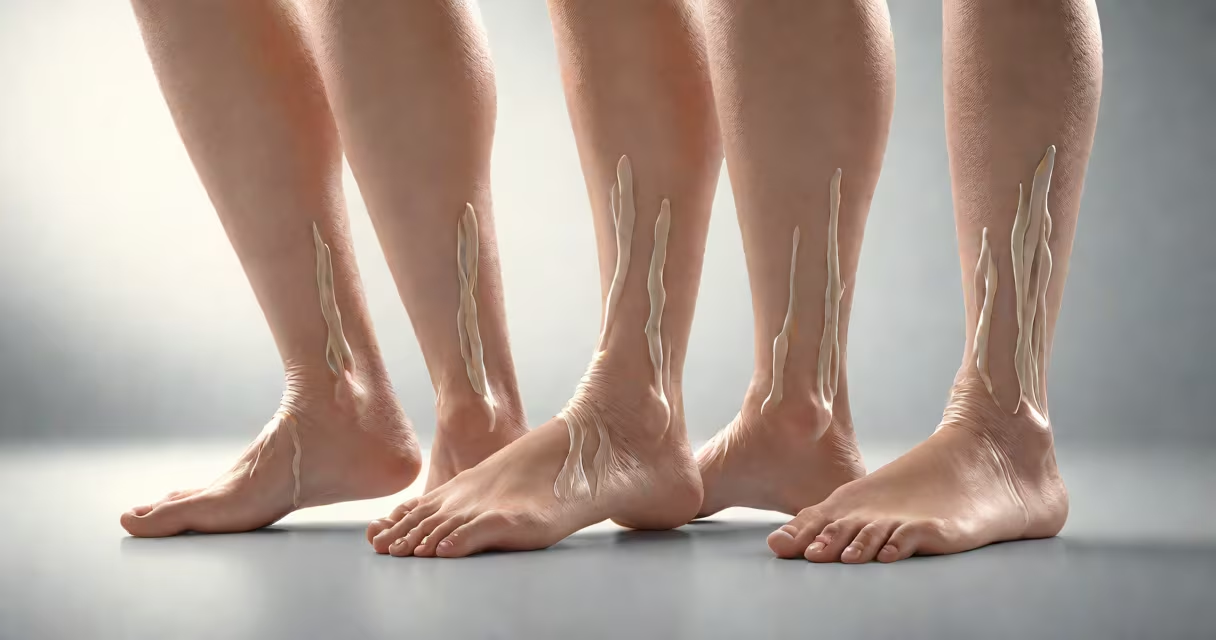
Swelling in the legs-also called peripheral edema-is the accumulation of excess fluid in tissues below the knees. It often appears as puffiness, tightness, or visible indentations when pressed. This condition results from fluid leaking out of blood vessels into surrounding tissue, typically due to increased pressure or impaired drainage.
Leg swelling can develop slowly or appear suddenly. It's common after prolonged standing or sitting, especially during travel. But persistent or recurring swelling may indicate an underlying medical issue. Not all swelling is serious, but recognizing warning signs is critical for timely intervention.
Fluid normally moves between blood vessels and tissues through a balance of pressure and osmotic forces. When this balance shifts, fluid leaks into tissues. Capillaries release fluid under pressure, and lymphatic vessels usually remove excess fluid. If either system fails, swelling occurs.
For example, standing for hours increases hydrostatic pressure in leg veins. Gravity pulls fluid downward, and if venous valves don't close properly, fluid pools in the lower limbs. This is why people who stand long shifts-like nurses or retail workers-often notice morning swelling that resolves after rest.
When fluid builds faster than the lymphatic system can drain it, visible swelling develops. Pressing the skin near the ankle may leave a dent that takes seconds to fill back in-a sign of pitting edema. Non-pitting swelling, such as from cellulitis or lymphedema, doesn't leave a dent and requires different treatment.
Swelling in the legs stems from multiple systems: circulatory, renal, metabolic, or inflammatory. The most frequent causes include:
| Category | Specific Cause | Key Mechanism | Typical Presentation |
|---|---|---|---|
| Circulatory | Chronic venous insufficiency | Leaky vein valves allow fluid to leak into tissues | Swelling worsens by evening, improves overnight; skin may darken over time |
| Cardiac | Heart failure | Reduced cardiac output leads to fluid backup in veins | Swelling spreads upward; associated with shortness of breath and fatigue |
| Renal | Kidney disease | Impaired sodium and water excretion | Generalized swelling; often includes face and hands |
| Medication-induced | Calcium channel blockers, NSAIDs | Alter vascular permeability or salt retention | Onset within weeks of starting medication |
| Inflammatory | Cellulitis, gout, arthritis | Immune response increases capillary leakage | Pain, redness, warmth; often affects one leg |
One non-obvious distinction: swelling from heart failure tends to affect both legs symmetrically and worsens when lying flat. In contrast, swelling from deep vein thrombosis (DVT) often starts in one leg, is painful, and may cause warmth or redness. DVT is dangerous because clots can break loose and travel to the lungs-pulmonary embolism is life-threatening.
I once saw a patient with bilateral leg swelling and shortness of breath. His symptoms improved only after diuretic therapy and a diagnosis of systolic heart failure. He had ignored early signs-feeling "tired" and "puffy"-for months. That delay led to hospitalization. Early recognition changes outcomes.
Not all leg swelling requires immediate attention. Mild, temporary swelling from standing or heat usually resolves with elevation and movement. But certain red flags demand prompt evaluation:
According to the American Heart Association, sudden leg swelling with breathing difficulty is a medical emergency. It may signal pulmonary embolism or acute heart failure. Delaying care increases mortality risk.
If you're unsure whether your swelling is normal, consult a healthcare provider. A physical exam, blood tests, and imaging (like ultrasound for DVT) can clarify the cause. For example, a Doppler ultrasound can detect blood flow abnormalities in leg veins with 95% accuracy, according to the National Institutes of Health.
Swelling is often mistaken for poor circulation or aging. But while older adults may experience mild leg swelling, it's not a normal part of aging. Persistent swelling should be evaluated.
Another common error: assuming swelling is due to diet. While high salt intake contributes to fluid retention, it rarely causes significant swelling alone. If reducing salt doesn't resolve swelling, the issue likely lies deeper-such as heart, kidney, or liver dysfunction.
Some people confuse edema with lymphedema. Lymphedema results from damaged or missing lymph nodes, often after cancer surgery or radiation. It causes non-pitting, firm swelling that doesn't improve with elevation. Unlike edema, it's chronic and progressive without treatment.
Finally, swelling in one leg is not typically due to dehydration. Dehydration reduces fluid volume, making swelling less likely. If one leg swells, consider trauma, infection, or clotting disorders instead.
If you're experiencing swelling in your legs, start by tracking when it begins, whether it affects one or both legs, and if it's accompanied by pain, color change, or breathing issues. Note any medications you're taking, recent travel, or history of heart or kidney disease.