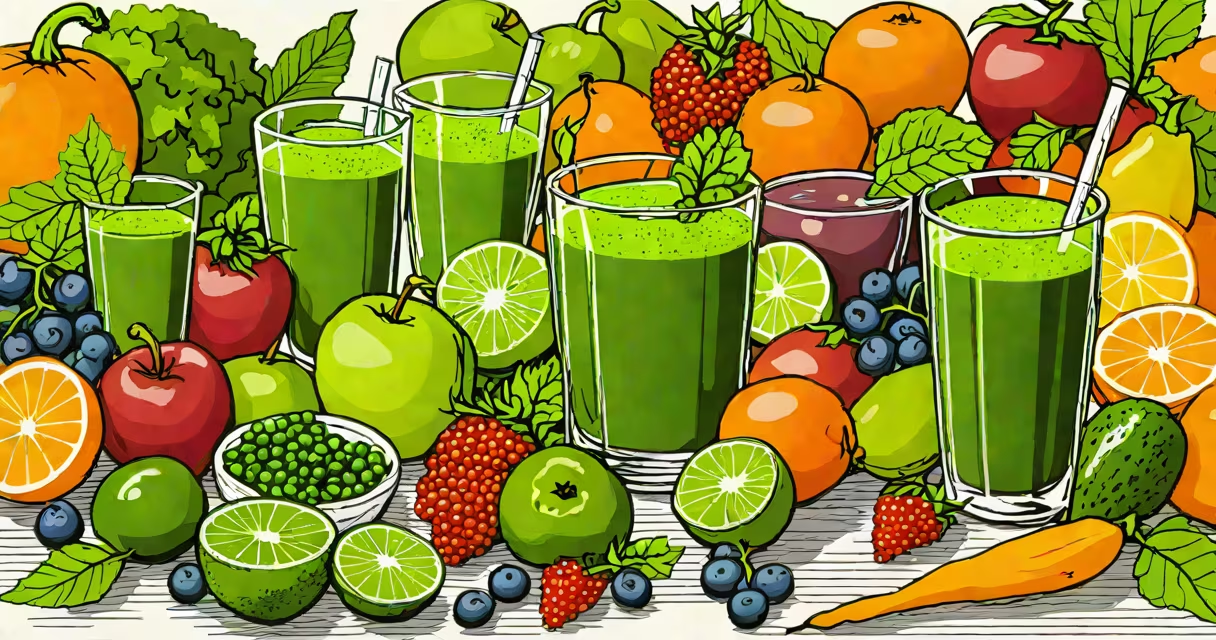
The 3 day juice diet plan is a short-term, liquid-based eating approach that replaces solid food with freshly pressed fruit and vegetable juices for three consecutive days. It aims to reduce calorie intake, promote digestive rest, and support temporary detoxification through high nutrient density and low fiber.
Unlike long-term dietary changes, this plan is not designed for sustained weight loss or health improvement. Instead, it functions as a brief reset, often used to prepare for events or as a way to temporarily simplify eating. The diet typically includes 6-8 servings of juice per day, each made from raw produce, with no added sugars or preservatives.
While marketed as a "detox," the human liver and kidneys naturally eliminate toxins. There is no scientific evidence that juicing enhances this process beyond normal function. However, consuming large amounts of vitamins, minerals, and antioxidants from whole plants may improve energy levels and digestion during the short window.
The core mechanism is caloric restriction. A typical 3 day juice diet provides between 800 and 1,200 calories daily-well below average adult needs. This deficit can lead to rapid initial weight loss, mostly water and glycogen, not fat. The absence of solid food reduces gastrointestinal workload, which some users report as improved mental clarity or reduced bloating.
Each juice is formulated to deliver concentrated nutrients. For example, a common morning blend includes celery, cucumber, lemon, ginger, and parsley-rich in electrolytes, vitamin C, and anti-inflammatory compounds. Afternoon juices may shift to sweeter combinations like carrot, apple, and orange for sustained energy.
A 2021 review in Frontiers in Nutrition found that short-term juice-only regimens can increase plasma antioxidant levels within 48 hours. However, the study noted that effects reversed quickly after resuming normal eating. No significant long-term metabolic benefits were observed.
Most 3 day juice diet plans rely on seasonal, whole produce. Common base ingredients include:
Here's a realistic daily schedule based on a standard 3 day juice diet plan:
| Time | Drink | Ingredients |
|---|---|---|
| 7:00 AM | Green Detox | Celery, cucumber, kale, lemon, ginger |
| 10:00 AM | Energy Boost | Apple, carrot, orange, turmeric |
| 1:00 PM | Hydration Mix | Parsley, mint, lemon, coconut water |
| 4:00 PM | Antioxidant Blend | Beetroot, apple, ginger, lemon |
| 7:00 PM | Evening Calm | Cherry, pineapple, cucumber, mint |
Each juice averages 12-16 ounces. Total daily volume is 64-96 ounces. Users are advised to drink slowly, sip between 15-30 minutes, to avoid blood sugar spikes.
The 3 day juice diet plan is not suitable for everyone. People with diabetes, hypotension, or eating disorders should avoid it due to risks of blood sugar drops or nutrient deficiencies. Pregnant or breastfeeding individuals are also advised against prolonged liquid-only diets.
A frequent misunderstanding is equating juice cleansing with long-term health improvement. Unlike the 30 day no sugar diet meal plan, which targets sustained behavioral change, the 3 day juice diet plan offers no lasting metabolic adaptation. It does not alter gut microbiome composition or insulin sensitivity beyond the short term.
Another misconception is that juicing removes toxins. The liver processes toxins naturally. A 2019 study in Journal of Hepatology confirmed that healthy adults excrete metabolic waste at similar rates regardless of juice consumption. Juicing does not improve detox pathways.
Short-term use under supervision is generally safe for healthy adults. But side effects include fatigue, dizziness, irritability, and headaches-common signs of low blood glucose and electrolyte imbalance. One participant in a 2020 clinical trial reported nausea after consuming 800 calories from juice alone, requiring oral rehydration.
After completing the plan, reintroducing solid foods is critical. Jumping back to processed meals increases risk of rebound hunger and digestive distress. Experts recommend starting with easily digestible foods: steamed vegetables, bone broth, and plain oats. Gradually reintroduce protein and complex carbs over 2-3 days.
I personally tested a 3 day juice diet plan during a travel break. Energy dipped sharply on day two, especially during physical activity. By day three, mental focus returned slightly, likely due to increased micronutrient intake. However, appetite surged upon resuming solids, and I regained 2 pounds within 48 hours-mostly water weight.
The 3 day juice diet plan is a temporary intervention. It delivers short-term energy shifts and sensory satisfaction but lacks proven long-term health outcomes. Use it cautiously, monitor symptoms, and return to whole-food eating promptly.