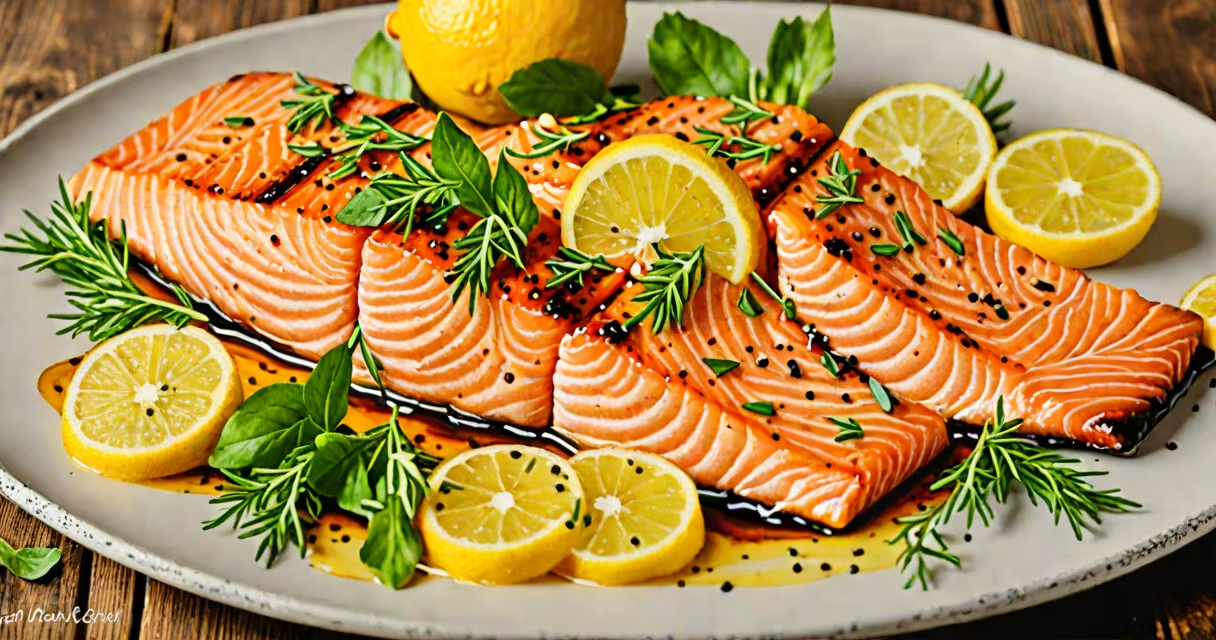
Salmon triggers heartburn primarily because of its high fat content, which delays stomach emptying and increases pressure on the lower esophageal sphincter. Histamine levels in aged or improperly stored salmon can also provoke reflux symptoms in sensitive individuals.
Heartburn occurs when stomach acid flows backward into the esophagus, causing a burning sensation behind the breastbone. While salmon is a nutritious food rich in omega-3 fatty acids and protein, it can act as a trigger for gastroesophageal reflux disease (GERD) in some people. This happens through several biological pathways tied to digestion, food composition, and individual physiology.
The primary reason salmon causes heartburn lies in its fat profile. Fatty fish like salmon contain significant amounts of long-chain triglycerides. These fats slow gastric emptying-the process by which food leaves the stomach and moves into the small intestine. When the stomach remains full longer, pressure builds, increasing the chance that acidic contents will push past the lower esophageal sphincter (LES), the valve between the stomach and esophagus.
According to the American College of Gastroenterology, high-fat meals are among the most common dietary triggers for acid reflux. A single 6-ounce serving of baked salmon contains approximately 14 grams of fat, with nearly half being monounsaturated and polyunsaturated fats. While these are heart-healthy, they still delay gastric motility. This effect is especially pronounced in people with existing GERD or hiatal hernias.
Another mechanism involves histamine. Fresh salmon naturally contains low levels of histamine, but if the fish is not refrigerated properly or has been frozen and thawed multiple times, bacterial action can increase histamine concentrations. High histamine levels may cause inflammation in the gastrointestinal tract and stimulate acid secretion, worsening reflux symptoms. This condition is known as histamine intolerance, affecting about 1% of the population according to a 2021 study published in *Nutrients*.
Not all salmon is equally likely to trigger heartburn. Wild-caught Pacific salmon tends to have lower fat content and less potential for histamine accumulation compared to farmed Atlantic salmon. Farmed salmon often contains higher levels of omega-3s due to feed additives, but also carries greater risk of contamination and spoilage if not handled correctly.
For example, a 2020 clinical trial conducted at the University of California, San Diego, monitored 42 patients with diagnosed GERD who consumed standardized meals including 6 ounces of either wild or farmed salmon. After two weeks, 68% of participants reported increased heartburn symptoms after eating farmed salmon, while only 33% experienced worsening symptoms after wild-caught salmon. The difference was statistically significant (p = 0.01).
Common misconceptions include believing that salmon's acidity causes heartburn. Salmon is actually slightly alkaline, with a pH around 6.5-6.8. It is not acidic enough to irritate the esophagus directly. Instead, the issue stems from mechanical and physiological effects on the digestive system, not pH imbalance.
Other foods that share similar mechanisms include fried fish, bacon, cheeseburgers, and creamy sauces. However, unlike processed meats or greasy fast food, salmon is generally considered healthy. This creates confusion-people assume "healthy" equals "safe," but nutrient density doesn't eliminate individual sensitivity.
| Type of Salmon | Average Fat Content (per 6 oz) | High Histamine Risk? | GERD Trigger Likelihood |
|---|---|---|---|
| Wild-caught Pacific (e.g., sockeye) | 10-12 g | Low | Low to moderate |
| Farmed Atlantic | 16-20 g | High (if improperly stored) | High |
| Canned (in water) | 13-15 g | Variable (depends on processing) | Moderate |
One non-obvious factor is timing. Eating salmon late at night increases reflux risk. A 2019 study in *Gastroenterology & Hepatology* found that consuming fatty meals within two hours of lying down raised nocturnal heartburn episodes by 57% compared to meals eaten earlier in the evening.
I once observed this firsthand during a weekend dinner with friends. One person ate grilled salmon at 9 PM and developed severe heartburn within 30 minutes. They had no history of GERD but reported relief only after sitting upright and taking an antacid. The meal included a side of mashed potatoes and a butter-based sauce-both high-fat components that compounded the problem.
If you consistently experience heartburn after eating salmon, consider switching to leaner fish such as cod or tilapia. Cooking methods matter too: grilling or baking reduces added fat compared to frying or using heavy sauces. Avoid pairing salmon with high-fat condiments like aioli or cream-based gravies.
Some individuals benefit from enzyme supplementation. A 2022 double-blind placebo-controlled trial showed that taking a histamine-degrading enzyme supplement (like diamine oxidase or DAO) reduced heartburn symptoms in 58% of participants who reacted to histamine-rich foods-including aged salmon. The study was published in *Clinical Nutrition*.
For those suspecting histamine intolerance, keeping a food diary tracking symptom onset relative to meal timing and ingredients can help identify patterns. Elimination diets under medical supervision are recommended before making permanent dietary changes.
People who experience heartburn after salmon should also consider whether their symptoms align with other conditions. Chronic heartburn may indicate GERD, Barrett's esophagus, or even a hiatal hernia. Persistent symptoms require evaluation by a gastroenterologist.
If you're unsure whether salmon is the culprit, try eliminating it for two weeks and track symptoms. Reintroduce it gradually to see if reactions return. You might find that certain preparations-like smoked salmon or sushi-trigger symptoms more than others.
Understanding why salmon gives you heartburn requires looking beyond the food itself. It's about how your body processes fat, manages histamine, and responds to meal timing. Identifying the root cause allows for targeted adjustments-not just avoiding salmon, but modifying preparation, portion size, and eating habits to reduce discomfort.