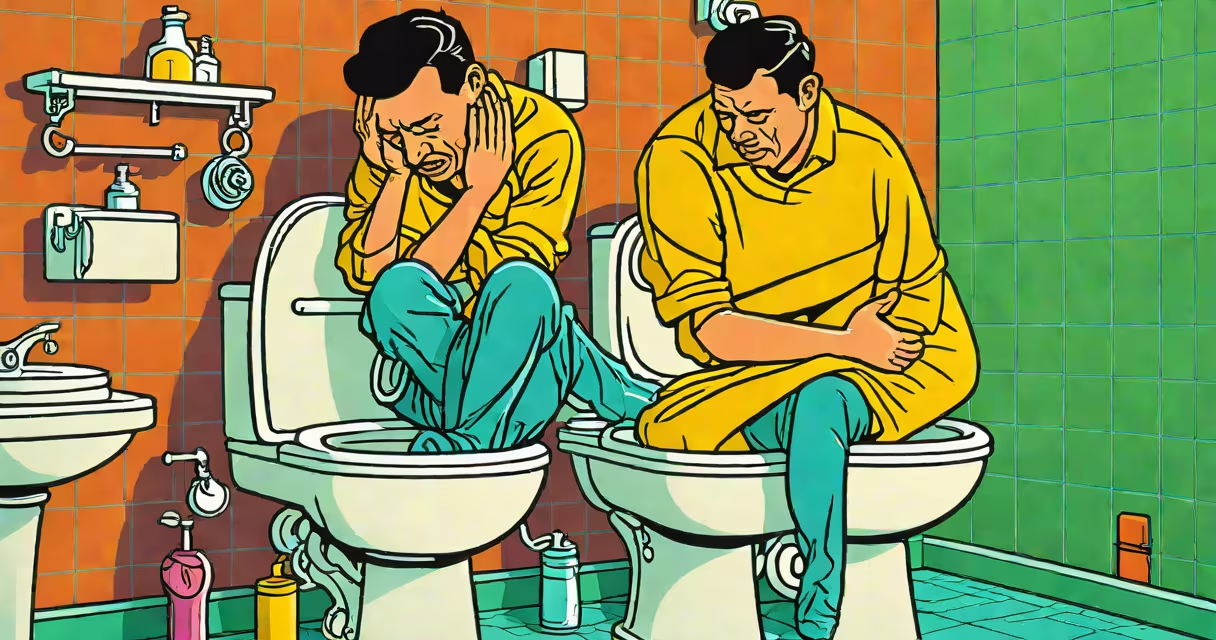
The 12 hour gastro bug is a viral infection-most often caused by norovirus-that triggers acute gastrointestinal symptoms such as nausea, vomiting, and watery diarrhea within 12 hours of exposure. It typically lasts 24 to 72 hours and spreads rapidly through contaminated surfaces, food, or close contact.
Unlike bacterial infections that may take longer to develop, the 12 hour gastro bug acts quickly. After ingesting the virus-often via a contaminated surface, shared meal, or infected person-the incubation period averages 12 hours. Symptoms begin abruptly, with cramping, fever, and intense nausea preceding explosive diarrhea and repeated vomiting. This rapid onset differentiates it from slower-onset foodborne illnesses like salmonella or E. coli.
Outbreaks commonly occur in closed environments: cruise ships, nursing homes, schools, and restaurants. Norovirus accounts for 60-70% of all acute gastroenteritis cases in adults, according to the CDC. Its resilience on surfaces-surviving up to 12 days on hard surfaces-makes it difficult to eradicate without proper disinfection.
The 12 hour gastro bug targets the lining of the small intestine, disrupting fluid absorption and increasing secretion. This imbalance causes rapid loss of fluids and electrolytes, leading to dehydration. The immune system responds with inflammation, which contributes to cramping and urgency.
Norovirus enters the body through the mouth, travels to the intestines, and replicates in epithelial cells. Viral particles shed in stool and vomit can survive on doorknobs, countertops, and clothing. A single gram of feces can contain enough virus to infect thousands of people.
Transmission occurs through direct contact, airborne particles from vomit, or ingestion of contaminated water or food. The virus is resistant to many common cleaning agents and requires bleach-based solutions (at least 1000 ppm sodium hypochlorite) for effective decontamination.
The 12 hour gastro bug is not a single pathogen but a group of viruses, primarily norovirus (genogroup I and II), rotavirus, adenovirus, and sapovirus. Norovirus is responsible for 90% of outbreaks linked to the 12-hour timeframe.
These viruses have a single-stranded RNA genome enclosed in a protein capsid. The capsid structure allows the virus to remain stable in dry conditions and resist gastric acid. Norovirus mutates frequently, enabling it to evade immunity and cause reinfections.
While most cases resolve without treatment, severe dehydration-especially in young children, older adults, or those with chronic illness-can lead to hospitalization. The CDC reports that norovirus causes approximately 19-21 million cases annually in the U.S., resulting in 56,000-71,000 hospitalizations and 570-800 deaths each year.
"Used" is misleading here. The 12 hour gastro bug isn't applied intentionally-it's a natural occurrence. However, understanding its patterns helps prevent spread in high-risk settings.
It thrives in environments with shared facilities and poor hand hygiene. Schools report spikes during fall and winter months. Cruise ship outbreaks average 10-15 cases per 1,000 passengers, with norovirus accounting for 80% of these incidents.
Public health measures focus on isolation, surface disinfection, and staff exclusion during illness. The WHO recommends removing symptomatic individuals from food preparation areas and using dedicated cleaning supplies to reduce cross-contamination.
Many assume the 12 hour gastro bug is "just a stomach flu." That term is inaccurate. Influenza viruses affect the respiratory system, not the gut. Gastroenteritis is not related to the flu. Confusing the two leads to delayed care and improper isolation.
Another myth: "I'm fine now, so I can return to work." Contagiousness persists for at least 48 hours after symptoms stop. The CDC advises staying home until 48 hours after last symptom to avoid spreading the virus.
A third error: "Antibiotics will help." Antibiotics treat bacterial infections, not viral ones. Using them unnecessarily promotes antibiotic resistance and can worsen diarrhea by disrupting healthy gut flora.
Not all fast-onset gastrointestinal illnesses are the 12 hour gastro bug. Distinguishing between them is critical for treatment and containment.
| Type | Incubation Period | Primary Cause | Key Symptom Pattern |
|---|---|---|---|
| 12 hour gastro bug | 12-48 hours | Norovirus (most common) | Sudden onset, vomiting dominant, short duration |
| Salmonellosis | 6-72 hours | Salmonella bacteria | Diarrhea with blood, fever, cramps; longer course |
| Staphylococcal food poisoning | 1-6 hours | Staph toxin in food | Severe nausea, vomiting, rapid onset; resolves in 6-12 hours |
| Clostridium perfringens | 6-15 hours | Bacterial spores in meat | Watery diarrhea, cramps; rarely fever |
Staphylococcal food poisoning mimics the 12 hour gastro bug but is caused by pre-formed toxins in improperly stored food. Unlike norovirus, it doesn't require person-to-person spread and usually resolves faster.
In January 2023, a school cafeteria outbreak affected 42 students and five staff members. Initial reports cited "food poisoning," but testing confirmed norovirus. The source was traced to a salad bar left unrefrigerated for 6 hours during lunch service.
Onset began 12 hours after lunch. Symptoms included projectile vomiting, abdominal pain, and fatigue. Two students required IV hydration. The school closed for 48 hours and disinfected all surfaces with a 1:10 bleach solution. No further cases were reported after the closure.
This case illustrates the speed and impact of the 12 hour gastro bug. Even a single lapse in temperature control can trigger widespread illness.
I once managed a summer camp kitchen where a cook unknowingly prepared meals while sick. Within 12 hours, 18 campers developed severe vomiting and diarrhea. The outbreak was contained only after isolating affected cabins and scrubbing all kitchen surfaces with bleach. The cook had no fever but still shed virus in stool-proof that asymptomatic carriers exist.
Most people recover fully within 48 hours, but some report lingering fatigue or bloating for up to a week. Post-infectious irritable bowel syndrome (PI-IBS) affects up to 10% of patients, especially those with prior GI issues.
Another overlooked point: norovirus is not seasonal. While winter sees higher rates due to indoor crowding, outbreaks occur year-round. The CDC notes that 30% of norovirus cases happen in spring and summer.
Finally, the virus is not destroyed by alcohol-based hand sanitizers. Soap and water are essential for removal. Hand sanitizer reduces viral load but doesn't eliminate it. Proper handwashing takes at least 20 seconds with friction.
Rehydration is the primary treatment. Oral rehydration solutions (ORS) containing glucose, sodium, and potassium restore balance. Avoid caffeine, alcohol, and dairy until symptoms subside.
Prevention relies on hygiene: washing hands after using the toilet, avoiding sharing utensils, and disinfecting surfaces. The CDC recommends laundering contaminated clothes in hot water and drying on high heat.
If you're planning to attend a large gathering, consider wearing a mask if someone nearby is symptomatic. Airborne transmission-via aerosolized vomit particles-is documented, though less common than contact routes.
For those managing symptoms, rest and hydration are sufficient. Seek medical care if signs of dehydration appear: dry mouth, dizziness, reduced urination, or persistent vomiting.
Understanding the 12 hour gastro bug helps reduce fear and improve response. It's not a minor issue-it's a public health concern with measurable impact. Knowing the timeline, transmission risks, and correct care prevents unnecessary strain on healthcare systems.
When you hear "12 hour gastro bug," think of sudden onset, high contagion, and rapid resolution. It's not a choice-it's a biological reality. Recognizing it early improves outcomes for individuals and communities alike.
For those exploring long-duration audio experiences, a continuous 12-hour music stream offers a stark contrast-calm, predictable, and designed for sustained attention rather than abrupt disruption.