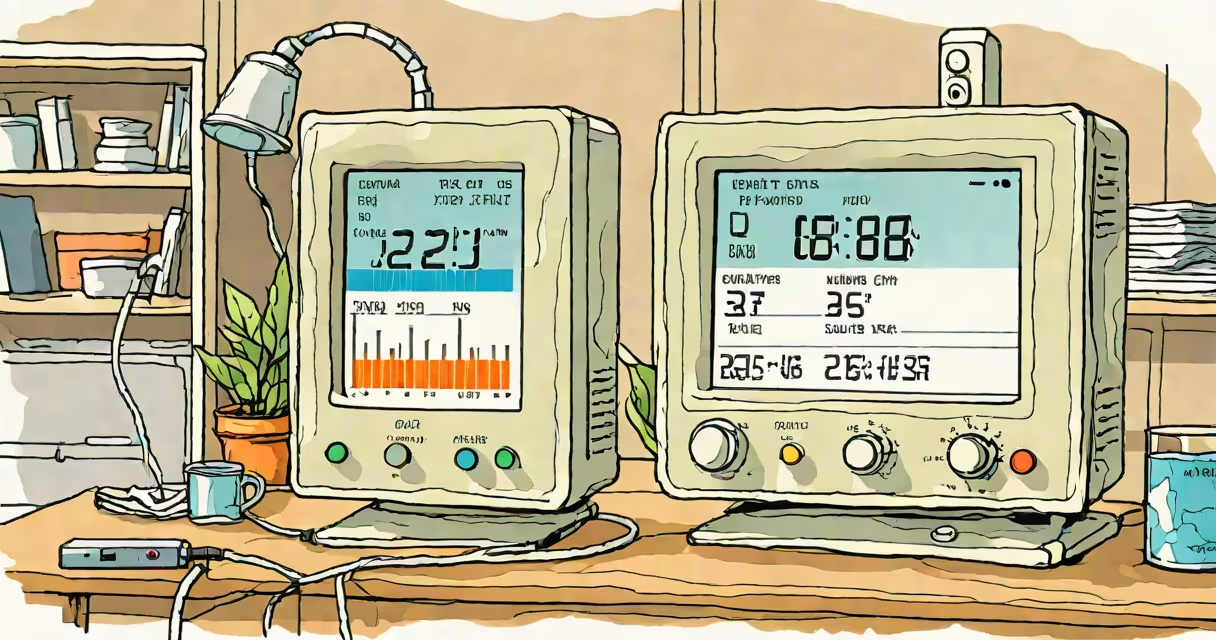
An air quality device is a portable or stationary instrument that detects and reports levels of airborne pollutants such as particulate matter (PM2.5), volatile organic compounds (VOCs), carbon dioxide (CO₂), and humidity in real time. These devices provide immediate feedback on indoor or outdoor air conditions, helping users identify risks and take action.
Modern air quality devices use calibrated sensors to measure specific contaminants. They often display results via LED indicators, mobile apps, or web dashboards. Some models integrate with smart home systems to trigger ventilation or air purification automatically when pollutant thresholds are exceeded.
For example, a device placed in a bedroom during wildfire season may detect rising PM2.5 levels from smoke infiltration. It can then send an alert to a smartphone, prompting the user to close windows and turn on a HEPA filter. This real-time response reduces exposure to respiratory irritants.
These devices rely on electrochemical, metal oxide semiconductor (MOS), or laser scattering sensors. Each sensor targets a specific pollutant class. PM2.5 detectors use laser light scattering to count fine particles under 2.5 micrometers in diameter. VOC sensors measure gases like formaldehyde and benzene using MOS technology.
Calibration ensures accuracy. Low-cost consumer devices may drift over time due to environmental changes or sensor aging. According to the U.S. Environmental Protection Agency (EPA), uncalibrated personal monitors can deviate by up to 30% from lab-grade instruments under varying humidity and temperature conditions.
Some advanced models include data logging and cloud sync. A device installed in a school classroom can record hourly CO₂ levels throughout the day. Over a week, the data shows spikes during lunchtime when ventilation is low, indicating a need for improved airflow or mechanical system maintenance.
Not all air quality devices track the same parameters. The most common categories include:
| Pollutant | Measurement Unit | Health Risk | Typical Source |
|---|---|---|---|
| PM2.5 | µg/m³ | Respiratory and cardiovascular strain | Vehicle exhaust, wildfires, cooking fumes |
| VOCs | ppm or ppb | Eye/nose/throat irritation, long-term cancer risk | Furniture off-gassing, cleaning products, paint |
| CO₂ | ppm | Drowsiness, reduced cognitive performance | Human respiration, combustion appliances |
| Humidity | % relative humidity | Mold growth, dust mites, discomfort | Leaky pipes, poor ventilation, showers |
Many devices combine multiple sensors into a single unit. The Awair Element, for instance, tracks PM2.5, VOCs, CO₂, temperature, and humidity. It uses a color-coded ring to show air quality status: green (good), yellow (moderate), red (poor).
A lesser-known fact: some VOC sensors react to alcohol vapors and can falsely indicate high pollution during events like parties or cooking with wine. This false positive risk underscores the need for context-aware algorithms and user education.
People often assume that any device labeled "air quality monitor" provides accurate, actionable data. However, many budget models lack proper calibration and fail to distinguish between particle size and chemical composition.
For example, a $20 handheld device may report "high air quality" based on a single sensor reading while missing elevated PM2.5 levels caused by nearby traffic. The EPA notes that consumer-grade sensors can misclassify PM2.5 concentrations by ±15 µg/m³ compared to reference-grade instruments.
Another misconception is that air quality devices replace professional testing. While they offer continuous monitoring, they cannot substitute for formal indoor air quality assessments conducted by certified industrial hygienists. These professionals use laboratory analysis and long-term sampling to diagnose chronic issues like radon or asbestos exposure.
I once tested a popular brand's air quality device in a newly renovated apartment. The device showed "good" air quality, but a follow-up test by a licensed inspector revealed VOC levels exceeding 100 ppb-well above the recommended limit of 50 ppb for long-term exposure. The discrepancy came from the device's reliance on a single MOS sensor prone to cross-sensitivity.
Homeowners use air quality devices to detect mold spores, pet dander, and off-gassing from new furniture. Parents of children with asthma often install them near beds to prevent nighttime symptom triggers.
During wildfire seasons, residents in California and Oregon deploy portable units to track smoke intrusion. The California Air Resources Board recommends using devices with PM2.5 detection to decide when to stay indoors or wear N95 masks.
Workplaces use air quality devices to maintain compliance with occupational safety standards. A manufacturing facility in Detroit installed wall-mounted monitors to track solvent emissions. When VOC levels spiked above 50 ppm, the system triggered an alarm and shut down the affected process line.
Look for devices with independent validation. The Indoor Air Quality Association (IAQA) certifies products that meet ASTM International standards for sensor accuracy and durability. Devices bearing the IAQA Seal have undergone third-party testing and are less likely to produce misleading alerts.
Consider the update frequency. A device that refreshes data every 10 seconds offers better responsiveness than one updating every 5 minutes. For sensitive environments like nurseries or medical offices, real-time tracking prevents delayed responses to sudden pollution spikes.
Finally, ensure compatibility with existing systems. A device that syncs with Apple HomeKit or Google Assistant allows automated actions-like turning on a purifier when CO₂ exceeds 1,000 ppm-without manual intervention.
Understanding your air quality device's capabilities and limitations ensures you make informed decisions about your environment. Real-time data empowers action-but only when the data is accurate and contextual.