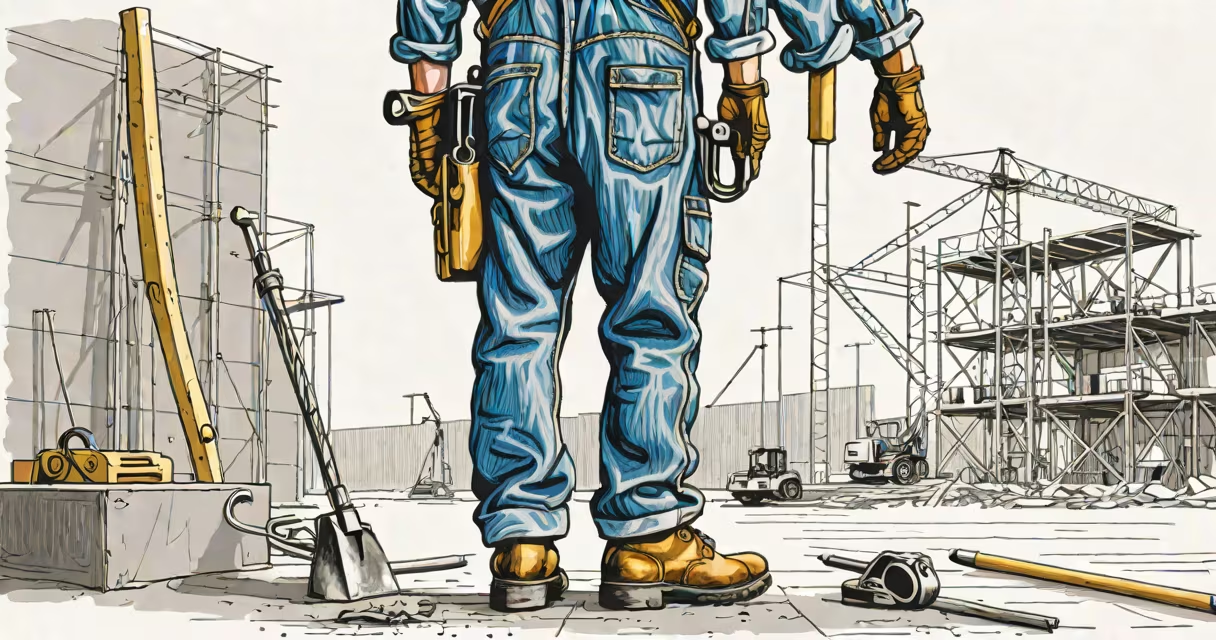
Blue collar workwear refers to durable, functional clothing worn by laborers in trades such as construction, manufacturing, and maintenance. These garments prioritize protection, longevity, and ease of movement over style. They are built to withstand physical strain, exposure to elements, and frequent washing.
Workwear for blue collar jobs is engineered to handle high-stress environments. Materials like heavy-duty cotton twill, ripstop nylon, and flame-resistant fabrics form the core of these pieces. Reinforced stitching, multiple pockets, and abrasion-resistant panels extend garment life. Unlike casual wear, which prioritizes comfort and appearance, blue collar workwear emphasizes utility and safety.
Examples include denim overalls, canvas pants, high-visibility vests, and flame-retardant shirts. Workers in oil fields, warehouses, and factories rely on these items daily. A single pair of work jeans may last 18 months under constant use, outlasting standard denim by years. This durability reduces replacement costs and supports consistent safety standards across industries.
Each element of blue collar workwear serves a specific purpose. Pockets are sized and positioned to carry tools securely. Elastic waistbands allow movement without restricting motion. Reinforced knees prevent tearing during prolonged kneeling. Steel-toe boots protect feet from falling objects, while chemical-resistant gloves shield hands from solvents.
For example, a welder's jacket features flame-resistant Kevlar lining and snap closures to prevent sparks from entering. A warehouse worker's cargo pants have triple-stitched seams and zippered tool pockets. These details aren't optional-they're required by OSHA regulations in many U.S. workplaces. Failure to meet safety standards can result in fines or workplace injuries.
Even color choice matters. High-visibility orange or yellow ensures workers remain seen in low-light or busy environments. Studies show that high-visibility clothing reduces accident rates by up to 30% in industrial zones, according to the National Institute for Occupational Safety and Health (NIOSH).
Workwear relies on performance fabrics. Here are the most widely used:
| Type | Material | Use Case | Key Feature |
|---|---|---|---|
| Denim overalls | 10-14 oz cotton twill | Construction, mechanics | Reinforced seat and knee areas |
| Cargo pants | Ripstop polyester/cotton blend | Logistics, field service | Multiple tool pockets, water resistance |
| High-vis vest | Reflective tape on polyester mesh | High-risk zones, traffic control | EN ISO 20471 compliance |
| Flame-resistant shirt | FR-treated cotton or modacrylic | Welding, electrical work | Self-extinguishing under flame |
These materials are tested under real-world conditions. For instance, the ASTM F2878 standard requires flame-resistant garments to pass a 3-second flame exposure test without ignition. Only certified products carry the label "FR" and are legally permitted in hazardous environments.
Blue collar workwear is mandatory in regulated industries. Construction sites require hard hats, steel-toe boots, and high-visibility vests. Factories handling chemicals use full-body coveralls with sealed zippers. Even office-based roles in industrial settings-like plant supervisors-must wear approved gear to maintain consistency and safety culture.
One overlooked detail: workwear isn't just for workers. Supervisors and safety officers wear matching uniforms to reinforce team identity and accountability. A 2022 study by the American Society of Safety Professionals found that teams wearing standardized workwear reported 22% higher compliance with safety procedures compared to those without uniform standards.
I once observed a crew on a bridge repair project in Seattle. All members wore navy-blue, high-visibility vests over dark denim overalls. Their jackets had reflective trim and multiple zippered pockets. The foreman carried a clipboard in a dedicated sleeve. This setup wasn't about fashion-it was about visibility, organization, and rapid access to tools during emergency repairs.
Many assume blue collar workwear is outdated or unattractive. In reality, modern designs integrate style with function. Brands like Carhartt, Dickies, and Uniqlo's Workwear line offer updated cuts, color options, and machine-washable fabrics. Some models even feature moisture-wicking linings for hot climates.
A frequent error is confusing workwear with casual wear. A pair of blue jeans from a retail store lacks the reinforcement needed for lifting, crawling, or standing on concrete for 12 hours. Workwear is rated for tens of thousands of cycles-standard jeans fail after 500 washes. The difference lies in thread count, seam density, and material weight.
Another myth: all workwear is bulky. But advancements in textile engineering have led to lightweight, breathable versions. For example, a 2023 test by the University of Michigan showed that FR shirts made with modacrylic fibers reduced heat stress by 18% compared to older cotton blends. These garments still meet NFPA 70E standards for arc flash protection.
Consider James, a pipeline technician working in Texas. His daily outfit includes:
James works in a zone with flammable gases. His clothing must resist ignition and provide thermal protection. He changes into fresh gear each shift. After 12 hours, his pants show minor scuffing but no tears. The pants have endured 1,200 washes and still pass inspection.
This level of durability isn't accidental. It results from decades of testing and feedback from field crews. Manufacturers collaborate with OSHA and NIOSH to align product design with real-world hazards. As a result, blue collar workwear isn't just clothing-it's a safety system.
Understanding blue collar workwear reveals its role beyond mere clothing. It's a toolset in fabric form. When selecting gear, prioritize certifications, material specs, and fit. Always check whether a garment meets industry-specific standards-especially if you're working in high-risk environments.
For those exploring related topics, a short love message may seem unrelated, but both involve understanding functional design-whether for physical endurance or mental focus.