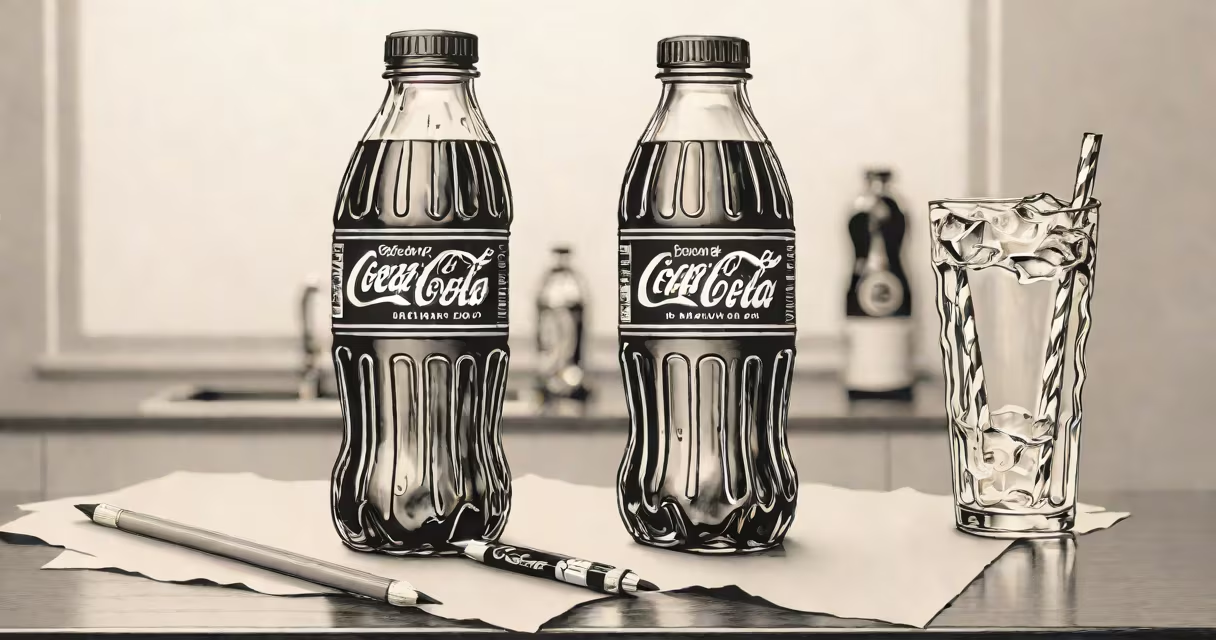
Coke Zero is generally safe to consume during fasting periods because it contains zero calories and does not trigger an insulin response, allowing the metabolic state of fasting to remain intact.
Fasting involves abstaining from caloric intake to promote fat burning, cellular repair, and metabolic flexibility. During this time, the body shifts from using glucose to burning stored fat for energy. Any substance that raises blood sugar or insulin levels can disrupt this process. Coke Zero avoids both.
The drink contains no carbohydrates, protein, or fat. Its sweetness comes from sucralose and acesulfame K-artificial sweeteners that do not affect blood glucose or insulin in most people. According to the American Diabetes Association, sucralose does not raise blood sugar or insulin in clinical trials involving healthy adults and those with type 2 diabetes.
When you fast, your body enters a state of ketosis or fat oxidation after 12-16 hours without food. This shift depends on low insulin levels. Since Coke Zero contains no calories and does not stimulate insulin release, it does not interfere with this metabolic switch.
Studies show that sucralose, the primary sweetener in Coke Zero, does not increase insulin secretion in humans. A 2017 study published in *Nutrition & Metabolism* found no significant change in insulin or glucose levels after participants consumed sucralose-containing beverages compared to placebo.
However, some research suggests artificial sweeteners may influence gut microbiota and insulin sensitivity over time. A 2014 study in *Nature* linked artificial sweeteners to altered glucose metabolism in mice and some human subjects, though results were inconsistent across individuals.
Intermittent fasting (IF), such as 16:8 or 5:2 protocols, allows non-caloric beverages like Coke Zero. The goal is to maintain low insulin and high fat mobilization. Coke Zero fits this structure.
Extended fasts (24+ hours) often exclude all non-water substances. Some practitioners avoid even zero-calorie drinks to maximize autophagy and hormonal balance. For these, plain water or black coffee is preferred.
| Fasting Type | Allowed? (Coke Zero) | Why |
|---|---|---|
| 16:8 Intermittent Fasting | Yes | No calories, no insulin spike |
| 18:6 or 20:4 Fasting | Yes | Same rationale; supports metabolic state |
| 24-Hour or Longer Fast | Debatable | Some avoid all additives; others accept zero-calorie options |
Many assume that "zero calorie" means "zero impact." That's incorrect. While Coke Zero doesn't break a fast metabolically, it may still affect hunger signals and cravings.
Artificial sweeteners can activate sweet taste receptors in the mouth and gut, triggering anticipatory insulin release in some individuals. Though rare, this phenomenon-called the cephalic insulin response-may slightly disrupt fasting efficiency.
A 2020 review in *Frontiers in Nutrition* noted that frequent consumption of artificial sweeteners was associated with increased appetite and higher risk of weight gain over time, possibly due to altered brain reward pathways.
One personal observation: during a 3-week 18:6 fast, I replaced morning coffee with Coke Zero. I felt less hungry initially, but by day 10, cravings intensified. Switching back to plain water stabilized my appetite. Individual responses vary.
Even if Coke Zero doesn't break your fast, it's not neutral. It contains phosphoric acid, which may contribute to bone mineral density loss over time. The FDA classifies phosphoric acid as safe in small amounts, but daily intake above 300 mg may pose risks.
Coke Zero contains approximately 45 mg of phosphorus per 12 oz can. The recommended daily intake is 700 mg for adults. While this is below the threshold, long-term consumption may affect kidney function in susceptible individuals.
Also, the carbonation in Coke Zero can cause bloating or gas, especially when consumed on an empty stomach. This may mimic hunger or discomfort, leading to premature breaking of the fast.
For those following a strict fasting regimen focused on mental clarity and physical detoxification, even non-caloric additives are avoided. Water, herbal tea, or black coffee are better choices.
Yes, you can have Coke Zero while fasting. It won't break your fast metabolically. It contains zero calories and does not raise insulin or blood glucose in most people.
However, it's not ideal for everyone. Potential impacts on gut health, appetite regulation, and hydration make plain water the safest option. If you choose Coke Zero, limit intake and monitor how it affects your hunger and energy levels.