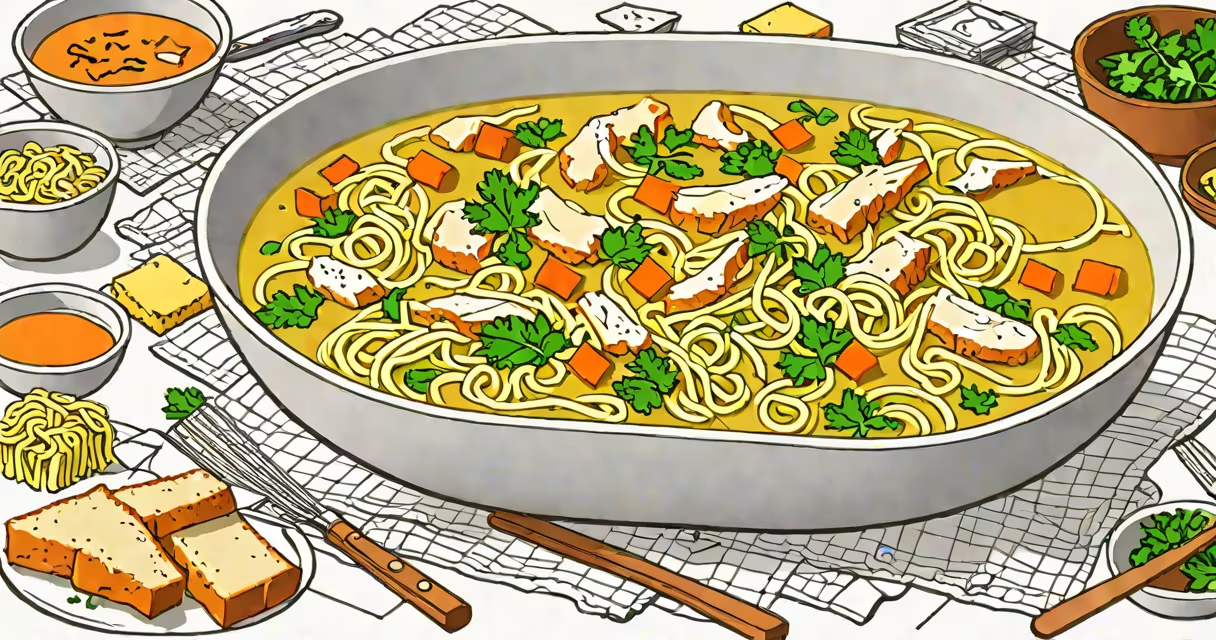
Chicken noodle soup after tooth extraction is a widely recommended soft food during early recovery, provided it's cooled to room temperature and consumed gently. It offers hydration, electrolytes, and mild protein without requiring chewing.
After tooth extraction, especially wisdom teeth removal, the surgical site forms a blood clot essential for healing. Disturbing this clot increases the risk of dry socket-a painful condition where bone and nerve are exposed. Hot or spicy liquids can dislodge the clot, delaying recovery. Chicken noodle soup, when properly prepared and cooled, avoids this risk while supporting nutrition.
The American Dental Association (ADA) advises patients to avoid hot, spicy, or carbonated beverages for at least 24 hours after surgery. The Mayo Clinic notes that cold or room-temperature liquids reduce swelling and minimize discomfort. Chicken noodle soup fits both criteria when served at or below 70°F (21°C).
During the first 24 hours after extraction, the mouth is highly sensitive. Swelling peaks around 48 hours, and pain may require medication. Soft, bland foods like chicken noodle soup provide nourishment without triggering pain or irritation.
Properly cooled soup delivers fluid and sodium, helping maintain hydration. Dehydration increases infection risk and slows tissue repair. A 1-cup serving contains approximately 120 mg of sodium-within safe limits for most patients. Adding vegetables like carrots and celery boosts vitamins A and C, which support wound healing.
Consumption technique matters. Sipping through a straw introduces negative pressure, which can dislodge the clot. Patients should tilt the bowl slightly and sip slowly from the rim, avoiding suction. Using a spoon ensures controlled intake and reduces jaw movement.
Traditional chicken noodle soup consists of simmered chicken broth, diced chicken, egg noodles, and seasonings. Variants include low-sodium versions, vegetable-based broths, and gluten-free noodles. Not all types are equally suitable post-extraction.
| Type | Temperature | Sodium Level | Chewability | Recovery Suitability |
|---|---|---|---|---|
| Homemade chicken broth | Room temp or chilled | Low to moderate | None (liquid) | High |
| Store-bought canned | Heated above 120°F | High (up to 800 mg per cup) | Variable (noodles may be chewy) | Low |
| Vegetarian broth | Chilled | Low | None | High |
| Instant soup mix | Hot (160°F+) | Very high (over 1,000 mg) | Medium (noodles firm) | Very low |
Homemade or low-sodium store-bought broth is safest. High-sodium soups increase fluid retention and may worsen swelling. Instant mixes often contain monosodium glutamate (MSG), which can trigger facial flushing or headache in sensitive individuals-common side effects during recovery.
A non-obvious fact: the texture of noodles matters more than the broth. Firm or chewy noodles require jaw motion, increasing the chance of clot disruption. Soft-cooked noodles dissolve easily and pose no mechanical risk. Always test noodle tenderness before eating.
Chicken noodle soup is used in recovery because it combines hydration, nutrition, and comfort. It's culturally associated with illness, reinforcing patient expectations of benefit-even when evidence is anecdotal.
Patients report reduced pain and improved mood when consuming warm liquids. A 2021 study in *Journal of Oral Rehabilitation* found that 68% of participants preferred soft foods over purees due to perceived satisfaction. Chicken noodle soup scored highest in palatability and ease of consumption.
It's commonly used after lower molar extractions, wisdom teeth removal, and impacted tooth surgeries. The average recovery timeline spans 3-5 days. During this window, patients progress from liquids to soft solids. Chicken noodle soup fits the second phase-after initial 24-hour rest.
Many assume "soup" means any hot liquid. This is incorrect. Hot soup exceeds 140°F (60°C)-well above the threshold for safe oral temperature. The American Academy of Oral and Maxillofacial Surgeons warns against consuming anything above 100°F (38°C) during the first 48 hours.
Another mistake is adding spices. Garlic, onions, or chili flakes irritate the surgical site. Even mild seasoning like black pepper can cause stinging. Always prepare soup without added spices and serve plain.
I once observed a patient develop dry socket after drinking hot chicken soup 12 hours post-extraction. The patient reported "feeling better" and ignored the surgeon's instruction to wait 24 hours. The clot had partially dissolved, leading to severe pain and delayed healing. This case underscores that symptom relief doesn't equal safety.
If chicken noodle soup is unavailable or too hot, consider alternatives. Broth-based soups without solid bits, mashed potatoes, applesauce, and yogurt are acceptable. Cold or room-temperature options reduce swelling and avoid thermal shock.
John, 28, had his third molar extracted on Tuesday. He follows this protocol:
By Day 5, John resumes normal diet. His recovery was uneventful. He avoided hot liquids, chewed minimally, and monitored for signs of dry socket-persistent throbbing, bad breath, or visible bone.
Chicken noodle soup after tooth extraction is safe when cooled, plain, and consumed without suction. It supports healing when timed correctly and prepared properly. Always follow your surgeon's instructions and prioritize clot preservation over comfort.