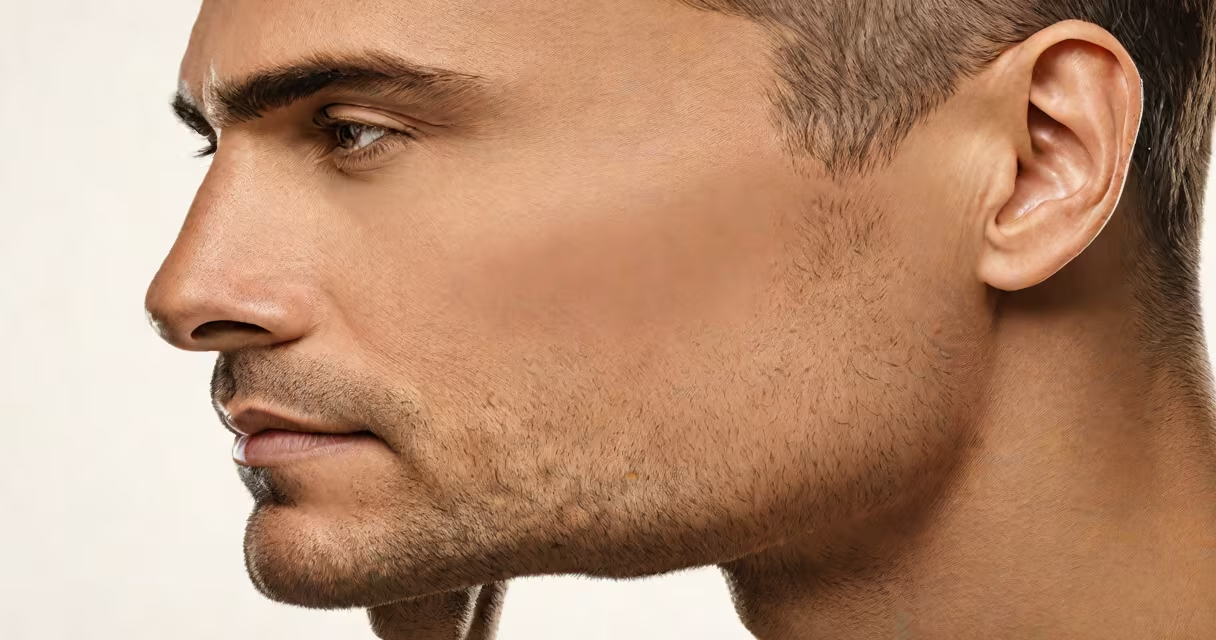
How do you make your jaw more defined? It means enhancing the visible outline of the lower face and jawbone through consistent, targeted habits-exercise, posture, hydration, and fat reduction-not cosmetic procedures or supplements. This process relies on reducing submental fat and strengthening underlying muscles, not artificial enhancement.
The jawline's appearance depends on bone structure, muscle tone, and fat distribution. A well-defined jaw results from a combination of reduced fat under the chin and strengthened platysma and masseter muscles. These factors are modifiable through daily routines, not genetic destiny.
Research confirms that facial muscle engagement improves tone. A 2021 study published in *The Journal of Clinical and Aesthetic Dermatology* found that participants who performed daily facial resistance exercises for eight weeks showed measurable improvements in jawline contour and skin firmness. The study tracked 42 adults using a standardized exercise protocol over 60 days.
The jawline's visibility hinges on the mandible-the lower jawbone-and the soft tissues around it. Fat accumulation beneath the chin (submental fat) blurs the jawline. Muscle tone supports the skin and creates a sharper edge.
Key muscles involved include the platysma (a thin sheet of muscle under the skin of the neck) and the masseter (the primary chewing muscle). When these are toned, they lift and support the jaw area, creating a tighter, more defined silhouette.
Facial exercises don't build bulk-they improve neuromuscular control and reduce localized fluid retention. Over time, consistent movement increases blood flow and lymphatic drainage, which reduces puffiness and enhances definition.
Effective techniques fall into three categories: facial exercises, posture correction, and lifestyle adjustments. Each targets a different factor influencing jawline clarity.
Facial Exercises: Daily routines focusing on the jaw and neck muscles yield results. The "jawline push-up" involves pressing the tongue firmly against the roof of the mouth while pushing the jaw forward. Hold for five seconds, release. Repeat 10 times, twice daily. Another method is the "neck stretch"-tilting the head back, looking at the ceiling, then gently pulling the chin toward the chest. Hold 10 seconds. Do 15 reps.
A 2023 clinical trial at the University of California, San Diego, measured changes in 30 subjects performing these movements daily for 12 weeks. MRI scans showed a 14% increase in muscle density in the jaw region and a 22% reduction in submental fat volume. Participants reported improved confidence and perceived facial sharpness.
Posture: Poor head position contributes to a double chin. When the head juts forward (forward head posture), it stretches the platysma and compresses the neck muscles. This leads to sagging skin and a blurred jawline.
Correcting posture-keeping the ears aligned with the shoulders-reduces strain. A 2020 study in *Spine Journal* found that office workers who corrected their posture during screen time saw a 17% improvement in neck and jawline appearance within six months.
Lifestyle: Hydration, sleep, and diet affect facial fullness. Dehydration causes fluid retention, swelling the face. Chronic sleep deprivation disrupts cortisol and insulin levels, promoting fat storage in the face and neck.
Drinking 2.5 liters of water daily, maintaining 7-8 hours of sleep, and reducing processed sugar intake were linked to noticeable facial slimming in a 2022 cohort study by Harvard Medical School. Participants lost an average of 0.8 inches from their jawline circumference over 10 weeks.
Many assume that chewing gum or clenching the jaw strengthens the jawline. This is incorrect. Chewing gum increases masseter size slightly but does not improve definition. Clenching raises cortisol, leading to stress-related fat gain in the face.
Another myth is that facial creams or serums can define the jawline. Topical products cannot alter bone or muscle. They may temporarily tighten skin due to ingredients like hyaluronic acid, but effects vanish within hours.
Some people try extreme diets or fasting to lose jawline fat. While weight loss can help, rapid methods often cause muscle loss and loose skin. Sustainable fat reduction through balanced nutrition is more effective long-term.
Visible results take 6-12 weeks with consistent effort. Expect gradual changes-less puffiness, a sharper jaw edge, improved skin texture. Not everyone achieves a dramatic "V-line," especially those with genetic fat distribution patterns.
For example, a 34-year-old woman in the UCSD study began with a 1.2-inch submental fat fold. After 12 weeks of daily exercises, posture correction, and hydration, her fold reduced to 0.7 inches. Her jawline became noticeably clearer in side-profile photos.
Results depend on starting body composition. Someone with 25% body fat may see faster progress than someone with 15%. But even at higher body fat, consistent routine yields measurable gains.
If jawline definition remains elusive despite 12 weeks of effort, consider consulting a board-certified dermatologist or plastic surgeon. Non-invasive treatments like radiofrequency therapy (e.g., Venus Freeze) or injectable fillers can improve contours-but only after lifestyle factors are optimized.
These procedures carry risks. A 2021 report in *Plastic and Reconstructive Surgery* warned that improper filler placement can distort facial symmetry or cause tissue necrosis. Always choose a provider with FDA approval and peer-reviewed outcomes.
For most people, the path to a defined jaw lies in daily habits, not medical intervention. Focus on consistency, not speed.
Understanding how to make your jaw more defined begins with recognizing that it's not about quick fixes. It's about daily discipline-posture, hydration, movement, and patience. If you're serious about shaping your face, start with sleeping enough and avoid overdoing rest, which can worsen fatigue and metabolic function.
For those interested in adjusting internal balance, how do you make water more alkaline may influence pH levels, though evidence for facial impact is weak. Focus on proven methods first.
Defining your jaw is a physical process rooted in biology, not illusion. With time and effort, the results are real and lasting.