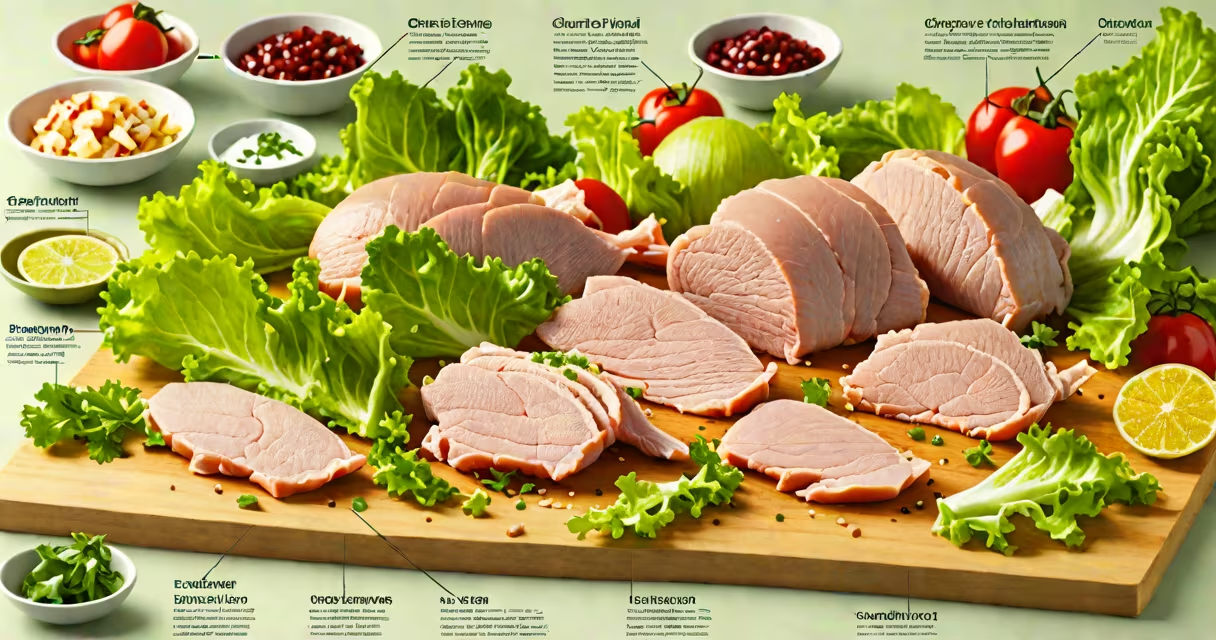
Common causes of food poisoning are microorganisms-primarily bacteria, viruses, and parasites-and toxins produced by them, which enter the body through contaminated food or water. These agents trigger gastrointestinal symptoms like nausea, vomiting, diarrhea, and fever within hours to days after ingestion.
Food poisoning results from consuming food tainted with harmful pathogens or their byproducts. The most frequent culprits are bacteria such as *Salmonella*, *Escherichia coli* (E. coli), *Campylobacter*, and *Listeria*. Viruses like norovirus and hepatitis A also cause outbreaks, especially in group settings. Toxins from *Staphylococcus aureus* and *Clostridium botulinum* can lead to rapid-onset illness even if the microbes themselves are dead.
The Centers for Disease Control and Prevention (CDC) estimates that each year, 48 million Americans get foodborne illness, 128,000 are hospitalized, and 3,000 die. About 76% of cases stem from improper handling, undercooking, or cross-contamination during food preparation.
Pathogens reach food through multiple routes. Raw animal products-especially poultry, ground beef, and eggs-are high-risk because they can carry *Salmonella* or *E. coli* in their intestines. For example, a single gram of raw chicken can harbor over 100,000 *Salmonella* cells. If the meat isn't cooked to 165°F (74°C), these bacteria survive and multiply in the gut after consumption.
Vegetables and fruits can become contaminated via irrigation water, soil, or poor hygiene during harvesting. In 2018, a multi-state outbreak of *E. coli* O157:H7 was traced to romaine lettuce grown in the Yuma, Arizona region. Over 200 people fell ill, and five died. The contamination likely came from cattle runoff into nearby irrigation canals.
Ready-to-eat foods like deli meats, soft cheeses, and pre-cut fruits are vulnerable during processing. *Listeria monocytogenes* thrives in refrigerated environments and can grow slowly in cold storage. A 2011 outbreak linked to contaminated cantaloupe resulted in 147 illnesses and 33 deaths, making it one of the deadliest U.S. foodborne disease events on record.
Understanding the different types of pathogens helps identify risk zones. Bacteria are the most common cause of food poisoning, but viral and parasitic infections also contribute.
| Pathogen | Type | Typical Food Source | Incubation Time | Key Symptoms |
|---|---|---|---|---|
| Salmonella | Bacteria | Raw eggs, undercooked poultry, unpasteurized milk | 6-72 hours | Diarrhea, fever, cramps |
| Escherichia coli (O157:H7) | Bacteria | Ground beef, raw sprouts, unpasteurized juice | 3-4 days | Severe abdominal cramps, bloody diarrhea |
| Norovirus | Virus | Contaminated shellfish, salads, water | 12-48 hours | Projectile vomiting, watery diarrhea |
| Listeria monocytogenes | Bacteria | Deli meats, soft cheeses, smoked seafood | 1-4 weeks | Fever, muscle aches, confusion (especially dangerous in pregnancy) |
| Staphylococcus aureus | Bacteria | Mayonnaise-based dishes, cream-filled pastries | 1-6 hours | Sudden onset of nausea, vomiting, cramps |
Some pathogens, like *Staphylococcus aureus*, produce heat-stable toxins. Even if the bacteria are killed by cooking, the toxin remains and triggers illness quickly. This explains why symptoms appear within an hour of eating a dish like potato salad left out at room temperature for several hours.
High-risk foods share common traits: moisture, protein content, and pH levels that support microbial growth. Per the FDA Food Code, the "danger zone" for bacterial proliferation is between 40°F and 140°F (4°C and 60°C). Left unrefrigerated, perishable foods enter this zone rapidly.
For example, a study published in *The Journal of Food Protection* found that cooked rice left at room temperature for four hours developed *Bacillus cereus* spores that produced emetic toxins. In one incident, 45 people became ill after eating rice served at a catered event. The rice had been prepared the night before and kept warm for 12 hours.
Another overlooked risk is cross-contamination. Cutting raw chicken on a surface and then using the same knife to slice tomatoes without washing creates a pathway for *Salmonella* transfer. The CDC reports that nearly 25% of home kitchens have cutting boards with detectable *Salmonella* after preparing raw meat.
Many assume that food poisoning only comes from spoiled meat or visibly bad food. That's incorrect. Pathogens often don't alter taste, smell, or appearance. A 2020 study in *Emerging Infectious Diseases* showed that 60% of participants couldn't detect spoilage in chicken samples that tested positive for *Salmonella*.
Another myth is that reheating food kills all pathogens. Reheating doesn't eliminate toxins. If *Staphylococcus aureus* toxin formed in a sandwich left on a counter overnight, heating it to 165°F won't remove the toxin. The illness still occurs.
Also, people often think only raw or undercooked food causes illness. But ready-to-eat items like sliced apples or pre-packaged salads can be contaminated during processing. In 2015, a multistate outbreak of *E. coli* linked to packaged spinach led to 30 confirmed cases and one death. The contamination occurred during washing and packaging, not after purchase.
In 2019, a chain of fast-casual restaurants in the Pacific Northwest reported 137 cases of *Salmonella* infection over three weeks. Epidemiologists traced the source to a batch of pre-washed kale used in their grain bowls. The kale had been rinsed with tap water that contained *Salmonella* due to a broken pipe in the supplier's facility.
Testing revealed the strain matched isolates from patients. The restaurant had no recall protocol in place, and staff were unaware of the water source issue. After the outbreak, the company implemented mandatory pathogen testing for all leafy greens and added UV treatment to incoming water supplies.
This case illustrates how contamination can occur far upstream from the consumer. It also shows that even routine cleaning steps aren't enough if the supply chain lacks oversight.
Proper handwashing, separating raw and cooked foods, cooking to safe internal temperatures, and refrigerating leftovers within two hours reduce risk. The USDA recommends using a food thermometer: ground beef must reach 160°F (71°C), poultry 165°F (74°C).
If symptoms persist beyond 48 hours, involve blood in stool, or include high fever (>101.5°F), seek medical care. Dehydration is a serious concern, especially in children and older adults.
Recognizing the common causes of food poisoning-bacteria, viruses, toxins, and unsafe practices-empowers individuals to make safer choices. Prevention starts long before the meal is served.