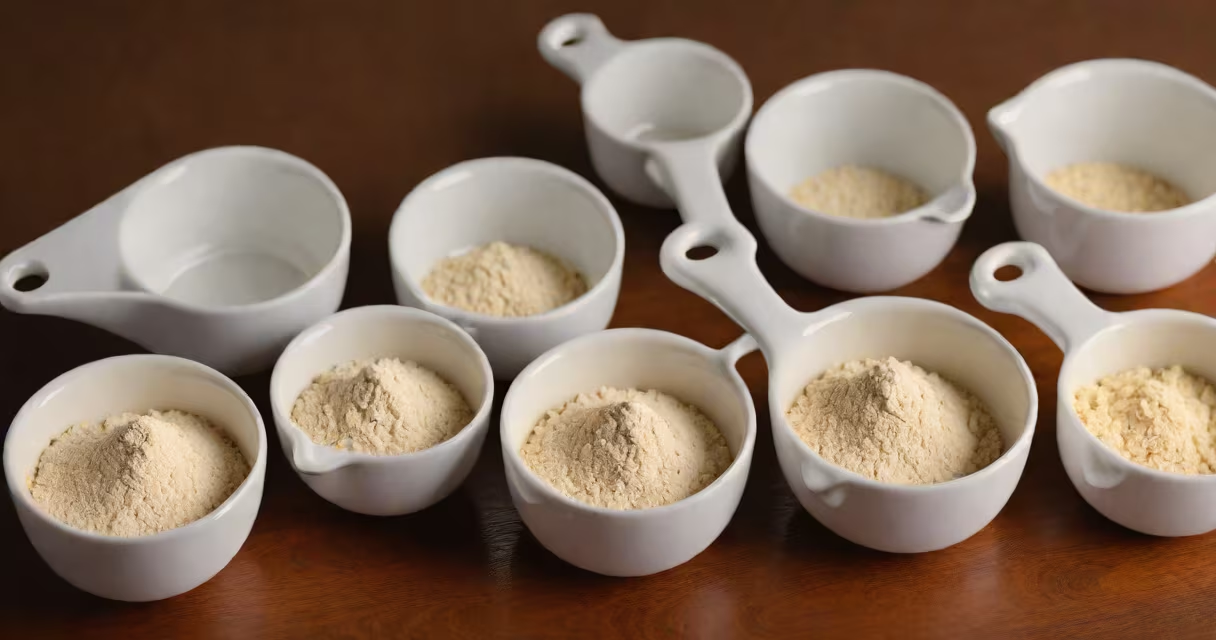
Cup size in cooking is a standardized volume measurement used in recipes, typically ranging from 1/4 cup to 1 cup, with 1 cup equal to 8 fluid ounces or 236 milliliters. This system ensures consistency in baking and meal preparation across different kitchens.
Measuring cups are designed for either dry or liquid ingredients, though many home cooks use the same set for both. Dry measuring cups are flat-bottomed and meant to be filled to the brim and leveled off with a knife. Liquid measuring cups have a spout and markings on the side for accurate reading at eye level. Using the correct type prevents over- or under-measurement.
The U.S. customary system defines 1 cup as 8 fluid ounces, which equals 236.59 mL. This standard applies to both liquid and dry volumes, though the actual weight varies between ingredients. For example, 1 cup of flour weighs about 120 grams, while 1 cup of sugar weighs around 200 grams. Confusing volume with weight is a common error that leads to inconsistent results.
Standard cup sizes in cooking include 1/4 cup, 1/3 cup, 1/2 cup, and 1 full cup. These fractions are frequently used in baking, where precision matters. Recipes often call for specific fractions to achieve balance in texture and structure.
| Cup Size | Volume (ml) | Fluid Ounces | Typical Use |
|---|---|---|---|
| 1/4 cup | 59 mL | 2 fl oz | Butter, oil, small portions of liquids |
| 1/3 cup | 79 mL | 2.7 fl oz | Oil in dressings, milk in pancakes |
| 1/2 cup | 118 mL | 4 fl oz | Flour in muffins, half a cup of fruit |
| 1 cup | 236 mL | 8 fl oz | Most recipe components: milk, sugar, flour |
When scaling recipes, doubling or halving cup sizes requires careful attention. For example, doubling 1/3 cup gives 2/3 cup, not 1 cup. Misjudging this fraction leads to overly sweet or dense baked goods. Always verify math using a calculator or conversion chart.
Use dry measuring cups for ingredients like flour, sugar, and rice. Fill the cup to the top, then level it off with the straight edge of a knife or spatula. Do not tap or shake the cup-this compacts the ingredient and adds extra volume.
For liquids, pour into a clear liquid measuring cup placed on a flat surface. Bend down to view the measurement at eye level. The meniscus-the curve at the surface-should align with the desired mark. Reading from above or below causes errors of up to 10%.
A common mistake is estimating cup sizes by eye. Even experienced cooks misjudge amounts. A study by the USDA found that home cooks consistently overestimated 1/2 cup of butter by 15% when using visual estimation alone. Measuring tools reduce variance and improve recipe success.
Cup size in cooking is not the same as clothing cup size, despite sharing the term "cup." Clothing sizes use letters (A, B, C, D) based on bust-to-waist difference. A D cup in clothing refers to a 4-inch difference, not volume. Confusing the two can lead to misunderstandings in online forums or recipe comments.
Another confusion arises with metric systems. Some international recipes use "cups" as a loose equivalent to 250 mL, which is slightly larger than the U.S. standard. This difference can cause issues when following European or Asian recipes. For example, 1 cup in a French recipe may yield a denser cake due to excess flour.
Some people assume that all cups are interchangeable. However, using a liquid cup to measure flour introduces air pockets and inaccurate volume. This leads to dry, crumbly cookies or dense bread. Always match the tool to the ingredient type.
Consider a classic chocolate chip cookie recipe calling for 1 cup of brown sugar. If you use a liquid measuring cup and pour the sugar in, you'll likely overfill it because sugar settles differently than liquid. The result: too much sugar, thin, flat cookies.
Instead, use a dry measuring cup. Pack the brown sugar firmly into the cup, then level it off. This yields exactly 220 grams, the correct amount for chewy texture. If you skip this step and estimate, the cookies may spread too much or burn on the edges.
Similarly, measuring 1/2 cup of flour incorrectly-by scooping directly from the bag-adds 20% more flour than needed. This creates tough cookies. The proper method is to spoon flour into the cup and level it. This maintains the intended ratio of fat to flour.
These small differences compound. A single 10% error in one ingredient can alter the entire outcome. Accuracy begins with correct cup size usage.
Always measure by volume, not guesswork. Use the right tool for the ingredient. Respect the standard. That's how you get consistent results every time.