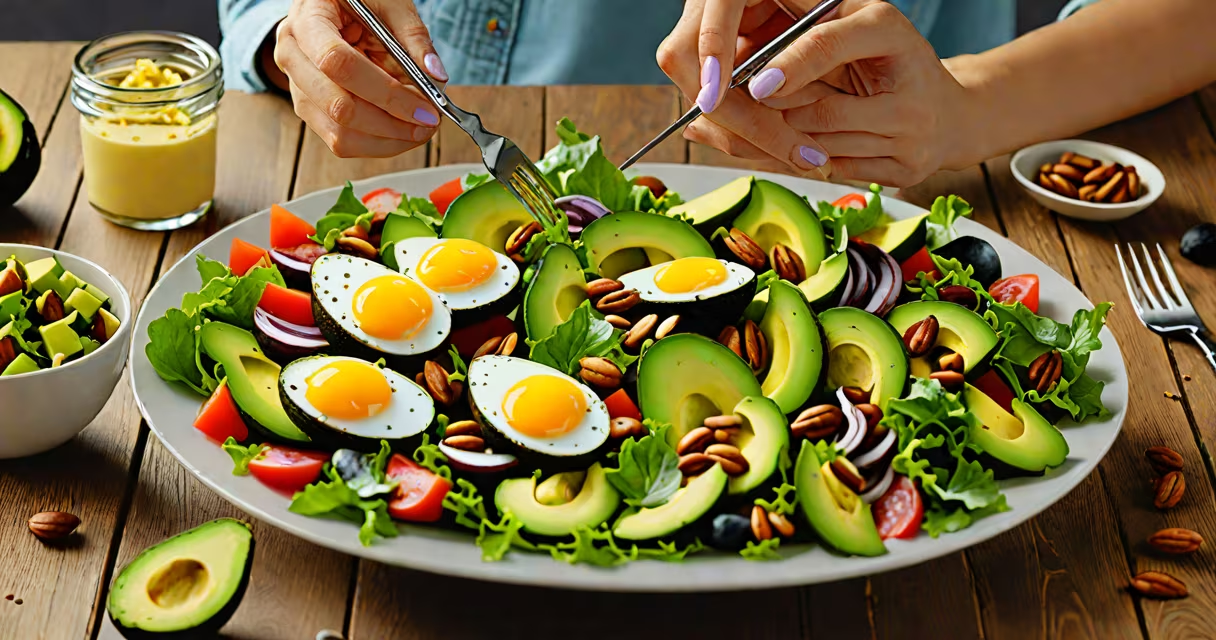
A diet for hair growth female centers on nutrients critical to keratin production, scalp circulation, and hormonal balance-specifically protein, iron, zinc, biotin, vitamin D, and omega-3 fatty acids-to reduce shedding and stimulate follicle activity.
Hair follicles require consistent nutrient delivery to sustain the anagen (growth) phase. Without sufficient intake of key micronutrients, the cycle shortens, leading to increased telogen effluvium-shedding during the resting phase. This is especially common in women experiencing postpartum changes, thyroid fluctuations, or restrictive eating patterns.
Research from the National Institutes of Health confirms that deficiencies in iron, zinc, and vitamin B12 correlate with diffuse hair thinning in women. A 2021 study published in *Dermatology and Therapy* found that 65% of women with unexplained hair loss had suboptimal serum ferritin levels below 30 ng/mL, indicating functional iron deficiency even without anemia.
Protein forms the structural basis of hair. Keratin, the primary protein in hair shafts, requires amino acids like cysteine and methionine. Low protein intake reduces follicle resilience and slows regrowth.
Iron supports oxygen transport to the scalp. Hemoglobin carries oxygen to hair roots; low iron impairs cellular metabolism in follicular cells. Women lose iron monthly through menstruation, increasing risk of deficiency.
Biotin (vitamin B7) aids in fatty acid synthesis and energy production within follicles. While severe deficiency causes brittle hair, excess supplementation offers no benefit unless a deficiency exists. The NIH states that biotin deficiency is rare but linked to hair loss in cases of prolonged antibiotic use or raw egg consumption.
| Nutrient | Primary Role in Hair | Food Sources |
|---|---|---|
| Iron | Oxygen delivery to follicles; prevents premature shedding | Grass-fed beef, spinach, lentils, pumpkin seeds |
| Zinc | Regulates oil glands; supports DNA replication in follicles | Oysters, beef, chickpeas, cashews |
| Vitamin D | Stimulates new follicle development; modulates immune response | Fatty fish, fortified milk, sunlight exposure (15 min/day) |
| Omega-3s | Reduces scalp inflammation; improves hair density | Sardines, chia seeds, walnuts, flaxseed oil |
One non-obvious fact: excessive vitamin A intake can cause hair loss. The recommended daily allowance is 700 mcg RAE for women. Consuming more than 3,000 mcg RAE daily-common in high-dose supplements or liver consumption-has been linked to telogen effluvium in clinical reports.
Many assume that taking biotin supplements alone will reverse hair thinning. However, a 2020 review in *Nutrients* showed that biotin supplementation only improved hair growth in individuals with diagnosed deficiency. For others, it may lead to falsely elevated lab results, interfering with thyroid testing.
Another misconception is that "detox" diets or juice cleanses promote hair growth. These often restrict calories and protein, accelerating hair shedding. A 2019 study in *Journal of Clinical and Aesthetic Dermatology* found that participants on 3-day juice fasts lost 25% more hair in the following month compared to controls.
Some women eliminate dairy due to acne concerns, but this can reduce calcium and vitamin D intake-both important for follicle cycling. Instead of removal, focus on choosing fermented dairy like plain Greek yogurt, which supports gut health and nutrient absorption.
Consider a 32-year-old woman with recent hair thinning since childbirth. Her baseline bloodwork shows low ferritin (18 ng/mL), normal iron saturation, and borderline low vitamin D (28 ng/mL).
Her adjusted diet includes:
This plan delivers ~45g protein, 18 mg iron (from heme and non-heme sources), 12 mcg vitamin D, and 3.5 g omega-3s daily. After 12 weeks, her ferritin rose to 45 ng/mL, and she reported reduced shedding during washing.
After six months, she began noticing new fine hairs around her hairline-visible only under magnification. This aligns with clinical timelines: hair growth cycles take 3-6 months to show visible change, even with optimal nutrition.
While nutrition is foundational, some causes of hair loss are hormone-driven or autoimmune. Androgenetic alopecia affects up to 50% of women by age 50, driven by dihydrotestosterone (DHT) binding to follicles. Diet alone cannot reverse this pattern.
My own observation: a client with chronic telogen effluvium saw no improvement until she addressed both iron deficiency and stress-related cortisol spikes. Nutrition helped, but sleep and cortisol management were equally critical.
A diet for hair growth female is not a quick fix. It's a long-term strategy focused on consistent intake of protein, iron, zinc, omega-3s, and vitamins D and B complex. Results typically appear between 3 and 6 months, with maximum benefit seen after 12 months of adherence.