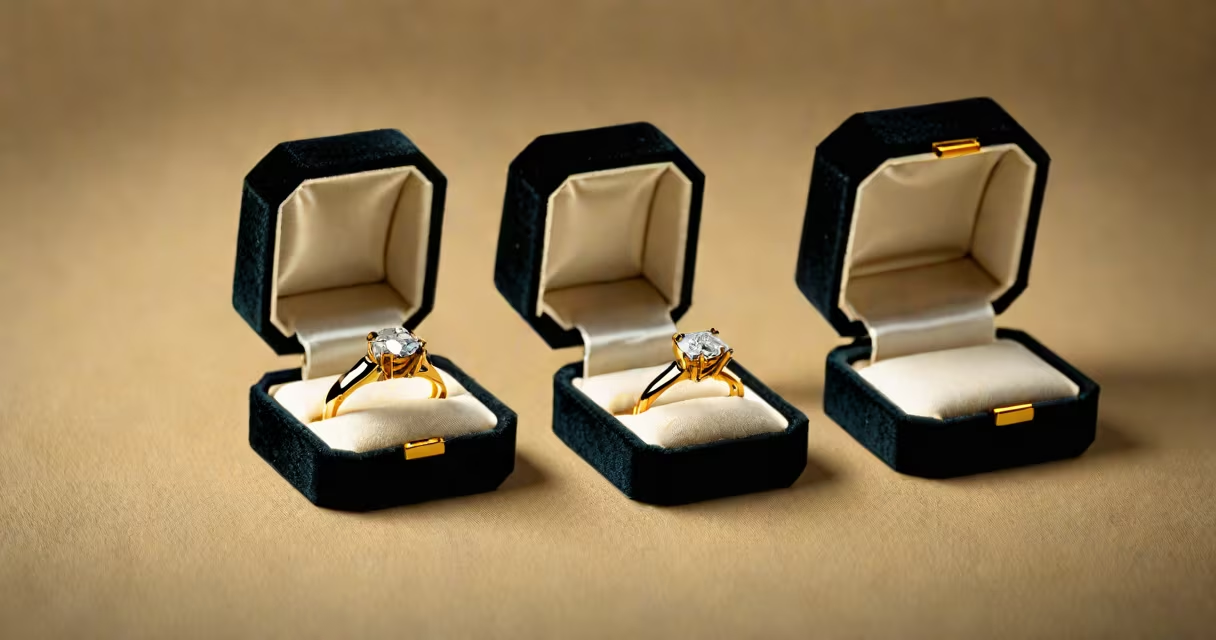
An engagement ring box is a small, often decorative container designed to protect and present a proposal ring during a marriage proposal. It typically features a soft interior lining and a secure closure to prevent damage during transport or storage.
These boxes serve both practical and symbolic roles. They safeguard the ring from scratches, dust, and accidental loss. More, they frame the moment of the proposal-transforming a simple gift into a ritual. A well-chosen box reflects care, intention, and personal style.
Most engagement ring boxes are made from wood, velvet, leather, or paperboard. Wood and leather versions offer durability and a premium feel. Velvet-lined boxes provide a soft surface that prevents scuffing. Paperboard models are lightweight and cost-effective, often used for mass-produced or seasonal designs.
The design of an engagement ring box centers on protection and presentation. The interior usually includes a molded insert or cushion to cradle the ring securely. This prevents movement during handling and reduces risk of damage from impact or friction.
Boxes may feature magnetic closures, snap lids, or ribbon-tied flaps. Magnetic lids offer quick access and a satisfying click when closed. Ribbon ties add a touch of elegance and allow for customization-tying the ribbon in a bow or using colored ribbons to match a theme.
Some high-end boxes include hidden compartments or engraved messages. For example, a box might have a small drawer beneath the main compartment, containing a note or a second ring. Others feature laser-etched initials or wedding dates on the exterior.
Engagement ring boxes come in several standard forms, each suited to different preferences and budgets.
| Type | Material | Best For | Price Range |
|---|---|---|---|
| Velvet | Felted cotton or silk blend | Classic presentation, soft interior | $10-$30 |
| Wooden | Birch, walnut, or bamboo | Durable, heirloom quality | $25-$75 |
| Leather | Faux or genuine leather | Timeless look, travel-friendly | $30-$60 |
| Paperboard | Recycled cardstock with foil accents | Seasonal gifts, eco-conscious buyers | $5-$15 |
Velvet boxes dominate the market due to their luxurious texture and ease of production. They're frequently used in retail settings and online stores. Wooden boxes are preferred for custom or personalized proposals. Leather options appeal to those seeking a masculine or vintage aesthetic.
A lesser-known fact: many luxury jewelers use boxes with internal hinges rather than lids. These are called "flip-top" or "double-hinged" designs. The hinge allows the lid to open fully, revealing the ring from multiple angles. This design is common in high-end boutiques and is recommended for rings with complex settings like channel or halo bands.
Engagement ring boxes are used primarily during the proposal itself. Their role is to create anticipation and emphasize the significance of the moment. A well-presented ring in a thoughtful box increases emotional impact compared to handing over a ring in a plastic sleeve.
They're also used in formal weddings, where the ring is stored in a box until the ceremony. Some couples keep the original box as a keepsake. Others replace it with a new one for the wedding day, especially if the ring is being worn in a different setting.
For gifting, the box becomes part of the unboxing experience. A study by McKinsey & Company found that 72% of consumers associate unboxing with emotional satisfaction, particularly when the packaging feels intentional and high-quality. A ring presented in a beautifully crafted box is remembered longer than one delivered in a plain envelope.
Many people assume that the box must match the ring's metal-gold box for yellow gold, silver for white gold. This is not required. In fact, most designers recommend choosing a box color that complements the setting or gemstone, not the metal.
Another mistake is selecting a box that's too large. A ring that sits loosely in a box appears underwhelming. The ideal fit is snug enough to prevent shifting but not so tight that it damages the band. Always measure the ring size and width before selecting a box.
Some buyers believe that a box with a built-in light or sound effect enhances the moment. While novelty boxes exist, they're rarely used in serious proposals. Over-the-top features distract from the sincerity of the gesture. The focus should remain on the ring and the relationship, not the packaging.
Consider a couple planning a proposal in a mountain cabin. The man selects a 14k white gold ring with a 1.5-carat emerald-cut diamond. He wants a box that feels timeless and suits the outdoor setting.
He chooses a wooden box with a matte finish and a hand-stitched leather strap. The interior is lined with cream-colored felt. The lid opens with a quiet, spring-loaded hinge. He places the ring inside, centered on a small satin pad.
At the moment of the proposal, he pulls the box from his jacket pocket. The ring is revealed slowly. The simplicity of the design draws attention to the stone. The recipient remembers the box years later-not because of its price, but because of the quiet dignity it carried.
This choice aligns with recommendations from the Gemological Institute of America (GIA), which notes that "the presentation of a ring should improve, not overshadow, the gemstone." A box that supports the ring's presence-without competing for attention-is the most effective.
I once helped a friend select a box for his proposal. He wanted something unique. We chose a handmade birch box with a carved heart on the lid. Inside, a small note read: "This is my forever." The ring sat on a bed of crushed rose petals. The moment was unforgettable-not because of the box's cost, but because of the care in its selection.
An engagement ring box is more than a container-it's a silent participant in one of life's most meaningful moments. It protects the ring, frames the proposal, and often becomes a cherished memory. Whether you choose a velvet-lined model or a handcrafted wooden piece, the right box reflects your intention and honors the occasion.