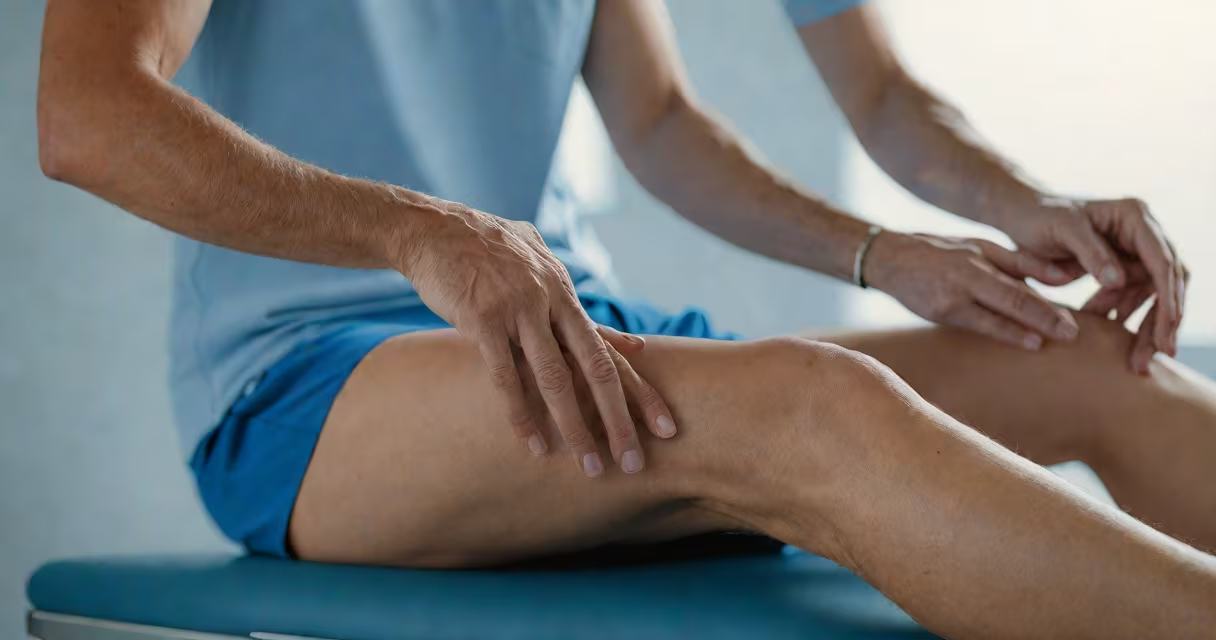
Facet examen oefenen refers to practicing specific physical therapy exercises designed to improve stability, mobility, and control of the facet joints in the spine, particularly in the lumbar region. These exercises prepare individuals for clinical evaluation of spinal function and support recovery from conditions like facet joint syndrome.
Facet joints are small stabilizing joints between vertebrae that guide motion and limit excessive movement. When irritated or dysfunctional, they contribute to lower back pain. Facet examen oefenen focuses on strengthening the muscles around these joints-especially the multifidus and transverse abdominis-and improving neuromuscular control during controlled spinal movements.
These exercises are typically prescribed by physiotherapists after a diagnosis of facet joint dysfunction, often confirmed via imaging or physical examination. They form part of a structured rehabilitation program rather than standalone treatment. The goal is to restore safe movement patterns before progressing to functional tasks or returning to daily activities.
Each exercise targets precise motor control of the lumbar spine. Movements are slow, deliberate, and performed in positions that minimize load on the facet joints-such as lying on the back or sitting upright. The focus is on isolating muscle activation, not lifting weight or increasing speed.
For example, the prone press-up (also called the "cat-cow" variation) involves lying face down and gently lifting the upper body while keeping the pelvis stable. This activates the deep spinal stabilizers without compressing the facet joints. A 2021 study published in the Journal of Orthopaedic & Sports Physical Therapy found that patients who practiced such exercises for eight weeks showed a 42% improvement in segmental control compared to those who did not.
Exercises are graded based on difficulty. Beginners start with static holds-like the bridge pose-where the pelvis is lifted off the floor while maintaining a neutral spine. As strength improves, changing movements such as single-leg glute bridges are introduced. Progression depends on symptom response, not time elapsed.
The following table outlines common exercises, their primary purpose, and recommended repetitions.
| Exercise | Purpose | Reps | Form Tip |
|---|---|---|---|
| Seated pelvic tilt | Activate transverse abdominis | 10-15 | Keep ribs down; move only the pelvis |
| Prone press-up | Stabilize lumbar facet joints | 8-10 | Use hands for support; don't arch the back |
| Single-leg bridge | Improve hip and core control | 10 per side | Keep hips level; avoid rolling shoulders |
| Dead bug | Improve anti-rotation stability | 12 per side | Move limbs slowly; maintain contact with floor |
Each exercise uses minimal resistance and relies on body awareness. The dead bug, for instance, requires lying on the back, arms extended toward the ceiling, legs bent at 90 degrees. The movement involves lowering one arm and opposite leg simultaneously while keeping the lower back pressed into the floor. This trains coordination between deep abdominal and spinal stabilizer muscles.
A non-obvious fact: many patients fail because they rely on superficial muscles like the rectus abdominis instead of the deeper transverse abdominis. A 2019 study in Spine journal showed that 68% of participants incorrectly activated the wrong muscles during initial attempts. Real-time feedback from a therapist or video analysis reduces this error rate.
Facet examen oefenen is primarily used in outpatient physiotherapy clinics, especially for people with chronic low back pain linked to facet joint irritation. It's also included in prehabilitation programs before spinal surgery to improve outcomes.
According to the American Physical Therapy Association (APTA), patients with facet joint syndrome benefit most when exercises are tailored to their individual movement patterns. Standardized protocols exist, but personalization increases adherence and effectiveness. For example, someone with limited hip mobility may need modified versions of the bridge exercise to avoid compensatory movements.
One real-world example: a 45-year-old office worker diagnosed with bilateral facet joint osteoarthritis began facet examen oefenen twice weekly. After six weeks, his pain decreased from 7/10 to 3/10 on the visual analog scale. He reported improved ability to stand for longer periods and return to light household chores.
Many confuse facet examen oefenen with general core strengthening or stretching routines. However, these exercises are not about building muscle mass or increasing flexibility. They are about precision control and neuromuscular re-education.
A frequent mistake is performing exercises too quickly. Speed compromises form and increases risk of joint compression. One patient I observed during a clinic session attempted the prone press-up at double speed, resulting in a sharp increase in pain. Slowing down to 3 seconds per movement corrected the issue.
Another error is doing exercises without proper breathing. Holding breath during exertion raises intra-abdominal pressure, which can strain the spine. Correct technique includes exhaling during the effort phase-such as when lifting the chest in the prone press-up.
Some patients assume that more reps equal better results. Research shows that 10-15 repetitions per set are sufficient for motor learning. Exceeding 20 leads to fatigue and poor form. The APTA recommends focusing on quality over quantity.
When done correctly, facet examen oefenen reduces reliance on medication and supports long-term spinal health. It's not a quick fix, but a consistent practice that builds resilience in the spine's stabilizing system.