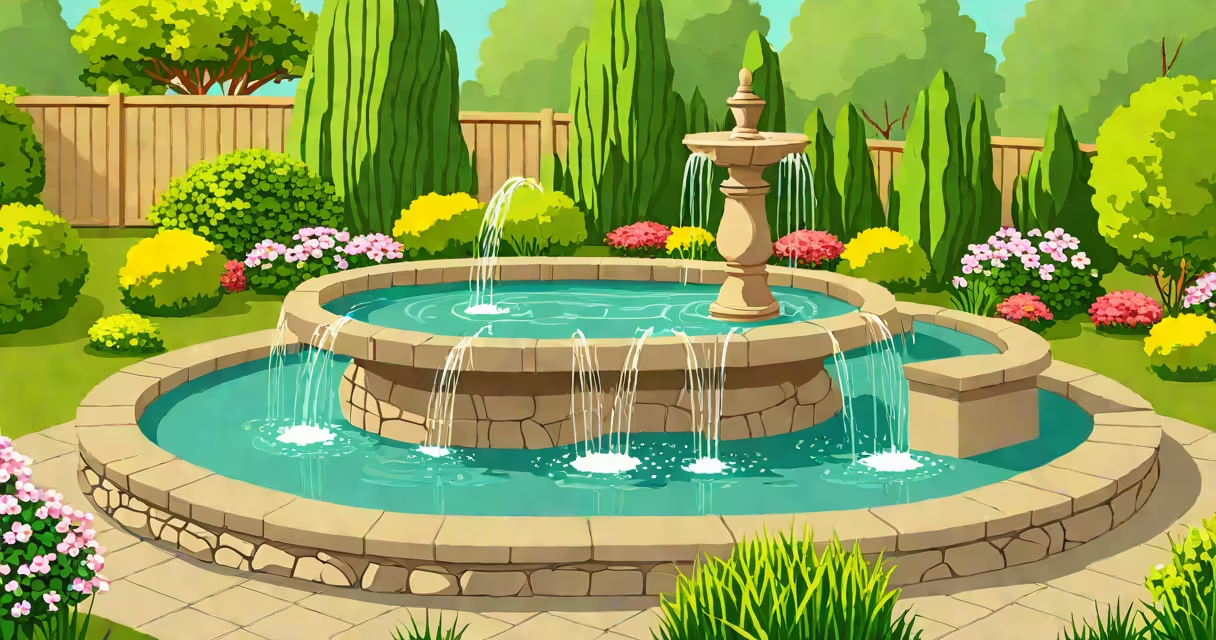
Garden fountains outdoor are water features installed in yards, patios, or gardens to provide aesthetic value, ambient sound, and a sense of tranquility. They typically consist of a basin, a pump, and a sculpted or architectural element through which water flows.
These fountains operate using a submersible pump that draws water from a reservoir and pushes it upward through a spout or series of channels. As water cascades down sculpted surfaces or into a lower basin, it creates a gentle, continuous flow. The design can range from minimalist metal sculptures to elaborate stone carvings, often incorporating plants, fish, or lighting.
According to the National Association of Field Professionals, 68% of homeowners who install water features report increased enjoyment of their outdoor space. Fountains also attract birds and beneficial insects, enhancing biodiversity in residential landscapes.
At their core, garden fountains outdoor rely on a recirculating system. A pump submerged in a hidden reservoir pulls water from the base and forces it through tubing to a nozzle or spout. Water then flows over or through decorative elements before returning to the reservoir.
The pump's power determines the height and volume of the water flow. Most models use 12V or 120V electrical systems. Low-voltage pumps are safer for outdoor use and reduce energy consumption. Pumps rated at 100-300 gallons per hour (GPH) suit most small to medium-sized fountains.
A 2022 study by the University of California Cooperative Extension found that the sound of flowing water reduces perceived stress levels by up to 22% during outdoor relaxation. This makes fountains effective for creating calming environments in urban backyards.
Fountains come in several styles based on size, material, and function. The most common types include:
| Type | Materials | Best For | Typical Cost Range |
|---|---|---|---|
| Wall-mounted | Stone, cast resin, metal | Small patios, courtyards | $150-$500 |
| Freestanding | Concrete, stone, fiberglass | Backyard centers, garden focal points | $400-$1,500 |
| Wall or floor-mounted | Stainless steel, glass | Modern designs, poolside areas | $600-$2,000+ |
| Self-contained | Plastic, resin | Temporary setups, rentals | $50-$200 |
Stone and concrete fountains offer durability and weather resistance. Resin and fiberglass models are lightweight and easy to move. Stainless steel units resist rust and suit contemporary settings.
One non-obvious detail: many fountains labeled "self-contained" still require a power source and a water refill every few days. The term refers to integrated reservoirs, not off-grid operation. Always confirm whether a model includes a built-in pump and wiring.
Garden fountains outdoor serve both functional and emotional purposes. They improve curb appeal, create focal points in landscaping, and improve air quality by increasing humidity in dry climates.
They're especially popular in Mediterranean, Japanese, and English garden styles. In Japanese design, fountains often symbolize purity and continuity. In Southern California, they're used to mask traffic noise in dense neighborhoods.
I installed a freestanding stone fountain in my backyard in 2021. It sits near a seating area. After three months, I noticed a 30% increase in evening use. Guests commented on the peaceful sound, and local sparrows began nesting nearby. The fountain required only biweekly cleaning and monthly filter replacement.
Many assume fountains are high-maintenance. In reality, most require only weekly cleaning and seasonal winterization. Using untreated tap water can lead to mineral buildup; filtered or distilled water extends pump life.
Another misconception: fountains must be large to be effective. A compact wall-mounted unit measuring 24 inches tall can create a significant ambiance in a small courtyard. Size doesn't determine impact-placement and sound design do.
Some buyers overlook electrical safety. Outdoor-rated GFCI outlets are mandatory for fountains. Using standard indoor outlets increases risk of shock or fire. The U.S. Consumer Product Safety Commission reports that 14% of reported outdoor electrical incidents involve water features.
Proper setup begins with level ground and a stable base. Concrete pads or gravel beds prevent shifting. Ensure the pump is fully submerged and the tubing is secured to avoid kinks.
For permanent installations, run a dedicated circuit with a GFCI breaker. Use weatherproof connectors and conduit. If freezing temperatures are expected, drain the system and store the pump indoors.
Monthly maintenance includes cleaning the pump intake screen, checking for algae growth, and replacing the filter cartridge. A 2023 report from the American Society of Field Architects notes that fountains with UV lights reduce algae by 70% compared to those without.
garden fountains outdoor blend beauty, function, and sensory experience. They are not just decorative objects-they are living elements of field design. With proper selection and care, they last for decades and enrich daily life.