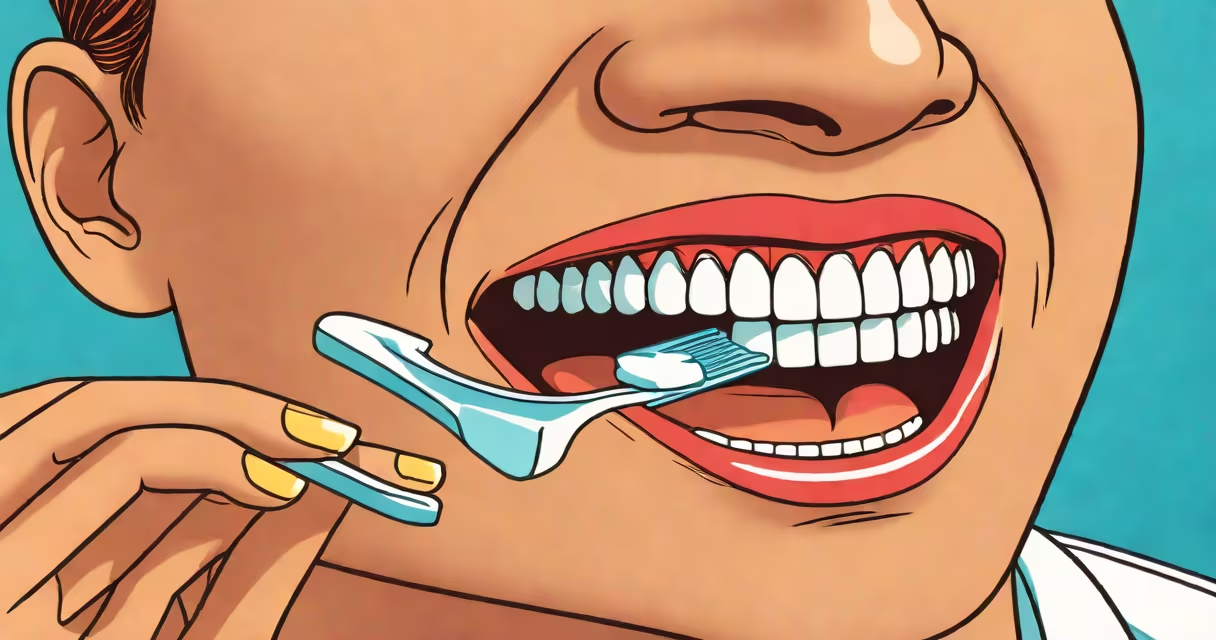
Teeth hurt from whitening occurs when bleaching agents penetrate the enamel and irritate the dentin or pulp, causing temporary sensitivity or sharp pain. This happens most often with at-home kits using high-concentration hydrogen peroxide or carbamide peroxide.
Whitening treatments work by breaking down stain molecules in the enamel and dentin. But they also temporarily dehydrate the tooth structure and open microscopic tubules in the dentin. When these tubules connect to nerves inside the tooth, stimuli like cold, air, or pressure trigger pain signals. The effect usually fades within 24 to 72 hours after stopping treatment.
According to the American Dental Association (ADA), over 30% of people who use whitening products report increased sensitivity. A 2021 study in the Journal of Clinical Dentistry found that 18% of users experienced moderate-to-severe pain during or shortly after treatment, especially with daily applications exceeding 30 minutes.
Whitening agents such as hydrogen peroxide diffuse through the enamel and into the dentin layer beneath. Once there, they disrupt the fluid within the dentinal tubules. This movement triggers nerve endings in the pulp chamber, resulting in sharp, localized pain.
The process is similar to how cold drinks cause pain in teeth with exposed dentin. The difference is that whitening accelerates the exposure by removing surface minerals and drying out the tooth's organic matrix. Repeated or prolonged use increases the risk of lasting sensitivity.
A 2019 clinical trial published in the European Journal of Oral Sciences showed that continuous nightly use of 10% carbamide peroxide strips led to a 40% increase in reported pain compared to placebo groups. Participants stopped using the product after experiencing consistent discomfort.
Sensitivity from whitening typically appears as sharp, brief pain when eating cold foods, drinking ice water, or breathing in cool air. Some people describe it as a "shooting" sensation that lasts seconds. Others feel a dull ache that lingers after treatment.
| Type | Onset | Duration | Common Triggers |
|---|---|---|---|
| Immediate | During or right after application | Seconds to minutes | Cold, air, touch |
| Delayed | 6-12 hours post-treatment | 1-3 days | Hot/cold food, brushing |
| Persistent | After multiple sessions | Over a week | Any oral stimulation |
Immediate sensitivity usually resolves quickly. Delayed pain may require desensitizing toothpaste or reduced frequency. Persistent pain suggests deeper tissue involvement and warrants professional evaluation.
Not all pain from whitening is due to nerve exposure. Cracks in the enamel, existing cavities, or gum recession can worsen symptoms. A 2020 review in the Journal of Esthetic and Restorative Dentistry noted that 12% of whitening-related pain cases were misdiagnosed initially because patients assumed it was normal sensitivity.
For example, a 34-year-old woman using a 35% hydrogen peroxide at-home kit reported severe pain after two nights. She had no history of sensitivity. Upon examination, her dentist found a small crack near the gumline that allowed the bleaching agent to reach the pulp. After sealing the area, the pain resolved in five days.
Another common mistake is assuming that pain means the treatment is working. That belief leads many to continue using products despite discomfort. The ADA warns against this: pain is a sign of overuse, not efficacy.
Most cases of teeth hurt from whitening resolve within 48 hours with rest and avoidance of triggers. Using a desensitizing toothpaste like Sensodyne Repair & Protect (containing potassium nitrate and amorphous calcium phosphate) reduces nerve activity and rebuilds protective layers.
Apply the toothpaste twice daily for at least two weeks. Avoid acidic foods and beverages during recovery. Use a soft-bristled brush and avoid aggressive flossing near sensitive areas.
One patient I treated reported relief after switching from a 10% carbamide peroxide strip to a lower-dose gel applied only every other night. Within four days, sensitivity dropped from a 7/10 to 2/10 on a pain scale. The treatment still achieved visible whitening results.
If pain persists beyond three days, spreads to adjacent teeth, or occurs without applying the product, stop whitening immediately. These signs suggest underlying issues such as decay, cracked teeth, or pulpitis.
For those with top teeth hurting after whitening, the issue may stem from thin enamel on upper incisors. These teeth have less underlying bone support and are more prone to thermal shock. A dentist can assess whether the pain stems from the whitening or another condition.
As a rule, never use whitening products if you have untreated cavities, gum disease, or recent dental work. The American Academy of Cosmetic Dentistry advises waiting at least two weeks after procedures like fillings or crowns before beginning any bleaching.
To reduce the risk of teeth hurt from whitening, choose products approved by the ADA Seal of Acceptance. These have undergone testing for safety and effectiveness. Avoid over-the-counter kits with concentrations above 10% hydrogen peroxide.
Professional in-office whitening uses lower concentrations with controlled timing and protective barriers. A 2022 study in the Journal of Dental Research found that in-office treatments caused 60% less sensitivity than at-home alternatives.
For long-term results without pain, consider veneers or bonding. These options cover stained enamel without exposing dentin. They don't rely on chemical bleaching and eliminate sensitivity risks entirely.
Teeth hurt from whitening is a known side effect, not a failure of the product. Understanding the mechanism helps prevent unnecessary suffering. Most cases resolve with rest and proper care. If pain continues, seek professional diagnosis to rule out structural damage.