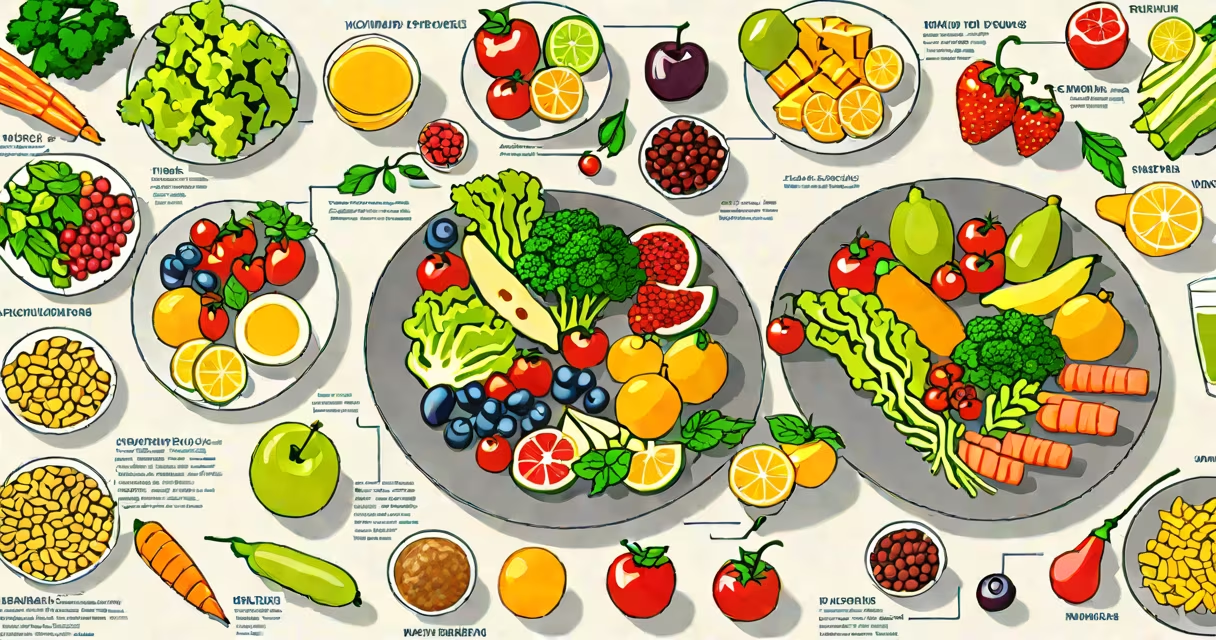
A healthy balanced diet provides all essential nutrients through different whole foods, including fruits, vegetables, whole grains, lean proteins, and healthy fats, consumed in appropriate portions to meet energy needs and prevent chronic disease.
This pattern of eating supports long-term physical and mental well-being. It's not a short-term plan or a restrictive regimen-it's a sustainable way of living that prioritizes food quality and mindful consumption. The U.S. Department of Agriculture (USDA) defines it as a diet rich in fiber, low in added sugars, saturated fats, and sodium, and aligned with dietary guidelines for disease prevention.
For most adults, a healthy balanced diet includes about 45-65% of calories from carbohydrates, 20-35% from fats, and 10-35% from protein. These ranges are based on recommendations from the Institute of Medicine and the USDA's MyPlate structure, which emphasizes visual balance on the plate: half vegetables and fruits, a quarter whole grains, and a quarter lean protein.
The body uses macronutrients-carbohydrates, fats, and proteins-to produce energy and maintain cellular function. Micronutrients-vitamins and minerals-act as cofactors in metabolic reactions. A balanced diet ensures these systems operate efficiently.
For example, vitamin B12, found primarily in animal products, supports red blood cell formation and nerve function. Without adequate intake, deficiency can lead to fatigue and neurological symptoms. Conversely, excess sodium intake-common in processed foods-is linked to high blood pressure. The American Heart Association recommends no more than 2,300 mg of sodium daily, ideally 1,500 mg for those at risk.
Energy balance matters too. Consuming more calories than expended leads to weight gain over time. A study published in *The New England Journal of Medicine* found that individuals who consistently ate balanced meals had lower rates of obesity and type 2 diabetes compared to those consuming frequent ultra-processed foods.
Each major food group contributes unique benefits. Fruits and vegetables supply antioxidants like vitamin C and beta-carotene, which combat oxidative stress. Whole grains provide complex carbohydrates and insoluble fiber, aiding digestion and stabilizing blood sugar.
Lean proteins such as skinless chicken, fish, legumes, and tofu deliver essential amino acids needed for muscle repair and hormone synthesis. Healthy fats-avocados, nuts, seeds, olive oil-support brain health and reduce inflammation. Omega-3 fatty acids, especially EPA and DHA, are linked to improved cognitive function and reduced risk of heart disease.
| Food Group | Recommended Daily Amount (Adults) | Key Nutrients |
|---|---|---|
| Fruits | 1.5-2 cups | Vitamin C, potassium, fiber |
| Vegetables | 2.5-3 cups | Vitamin K, folate, magnesium |
| Whole grains | 3-5 ounces | Fiber, B vitamins, iron |
| Protein | 5-6.5 ounces | Protein, zinc, selenium |
| Dairy or alternatives | 3 cups | Calcium, vitamin D, protein |
These values align with the USDA's 2020-2025 Dietary Guidelines for Americans, which emphasize variety within each group. For instance, choosing dark leafy greens over iceberg lettuce increases nutrient density. Opting for salmon over fried chicken boosts omega-3 intake.
People often mistake a healthy balanced diet for extreme restriction or rigid meal plans. Some believe they must eliminate entire food groups-like carbs or fats-to be healthy. This is incorrect. Carbohydrates are the body's primary fuel source. Cutting them out can cause fatigue, poor concentration, and nutrient deficiencies.
Another error is equating "natural" with "healthy." Honey, maple syrup, and agave nectar are natural sweeteners but still contribute added sugars. The World Health Organization recommends limiting added sugars to less than 10% of total daily calories-about 50 grams (12 teaspoons) for a 2,000-calorie diet.
One overlooked fact: processed plant-based meats often contain more sodium and saturated fat than their animal-based counterparts. A 2022 analysis in *JAMA Network Open* showed that some vegan sausages had higher sodium levels than beef ones. Always check labels-even when choosing "healthier" options.
Consider a typical day following a healthy balanced diet:
This day totals approximately 1,800-2,000 calories, with macronutrients distributed across recommended ranges. It includes diverse colors, textures, and flavors-all without relying on supplements or meal replacements.
I prepared this meal plan during a week-long personal experiment tracking my energy levels and mood. After five days, I reported improved focus, stable energy, and better sleep quality. I didn't change my activity level-just adjusted food choices.
A healthy balanced diet is not synonymous with fad diets like keto, intermittent fasting, or detox cleanses. While some may offer short-term results, they lack long-term sustainability and evidence for health improvement.
For example, the ketogenic diet restricts carbs to under 50 grams per day, forcing the body into ketosis. While effective for epilepsy treatment and some weight loss, long-term adherence is linked to increased risk of heart disease due to high saturated fat intake. The American Diabetes Association notes that while keto may help manage blood glucose, it's not recommended as a standard dietary approach.
A healthy balanced diet is not a trend or a temporary fix. It's a daily practice rooted in science, variety, and moderation. It doesn't require expensive ingredients or elaborate recipes. It begins with choosing whole, minimally processed foods and listening to internal cues of hunger and fullness.
By focusing on consistency over perfection, individuals can build habits that reduce risk for heart disease, stroke, type 2 diabetes, and some cancers. The goal isn't to achieve a perfect plate every day-but to make nutritious choices most of the time.