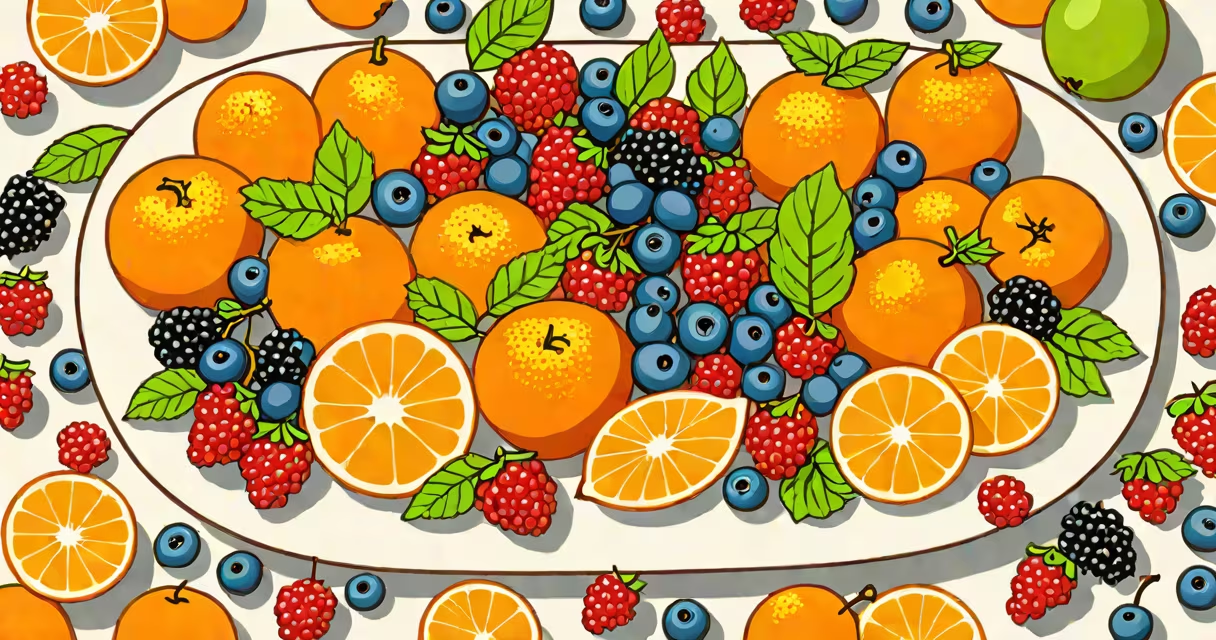
Low FODMAP diet fruit refers to fresh fruits that contain minimal amounts of fermentable oligosaccharides, disaccharides, monosaccharides, and polyols-short-chain carbohydrates that trigger IBS symptoms in sensitive individuals. These fruits are limited to specific serving sizes to stay within safe thresholds.
FODMAPs are poorly absorbed in the small intestine and draw water into the gut. When they reach the large intestine, gut bacteria ferment them, producing gas and causing bloating, cramping, and diarrhea. The low FODMAP diet reduces these symptoms by restricting high-FODMAP foods, including many common fruits.
According to Monash University's FODMAP app, which is the primary research source behind the diet, only certain fruits meet the low FODMAP criteria when consumed in ≤1/2 cup (100g) servings. Exceeding these limits-even with low-FODMAP fruits-can trigger symptoms.
The diet targets five types of FODMAPs: fructans, lactose, fructose (in excess of glucose), polyols, and galacto-oligosaccharides. Most fruits high in fructose or fructans are restricted. For example, apples and pears contain both fructose and fructans, making them high FODMAP even in moderate amounts.
Low FODMAP fruits are those where the total FODMAP content per standard serving falls below 1 gram. This threshold is based on clinical testing conducted by Monash University researchers. Fruits like strawberries, blueberries, and kiwi pass this test when eaten in measured portions.
A 2021 study published in *Gastroenterology & Hepatology* confirmed that 75% of IBS patients experienced symptom reduction after following a low FODMAP diet for six weeks, with fruit intake being a major contributor to improvement.
Not all fruits are equal under the FODMAP system. The following table outlines safe options and their maximum recommended servings:
| Fruit | Max Serving Size | FODMAP Level | Notes |
|---|---|---|---|
| Strawberries | 1/2 cup (80g) | Low | Safe in portion; avoid dried versions |
| Blueberries | 1/2 cup (80g) | Low | High in sugar but low FODMAP due to balanced fructose-glucose ratio |
| Orange | 1 medium (130g) | Low | Peel removed; avoid juice |
| Kiwi | 1 medium (70g) | Low | Contains fructose but passes threshold in small size |
| Mango | 1/4 cup (60g) | High | Only small portions are safe; larger servings exceed limits |
Some fruits are labeled "safe" but only in very small amounts. For example, a single mango contains over 3 grams of fructose-well above the 1-gram limit per serving. Eating half a mango may still trigger symptoms in sensitive people.
Processed forms of fruit are often higher in FODMAPs. Dried fruit like raisins and dates concentrate sugars and are high in fructose. Fruit juices, even 100% pure varieties, lack fiber and deliver concentrated fructose, making them unsafe.
Many assume that "natural" means "safe." But natural doesn't equate to low FODMAP. A banana is nutritious and widely available, but a medium banana contains 1.5 grams of fructans-over the safe limit. Only a small green banana (about 1/4 of a medium fruit) qualifies as low FODMAP.
Another mistake is assuming that all berries are interchangeable. While strawberries and blueberries are low FODMAP, blackberries and raspberries contain high levels of fructose and polyols. A 1/4-cup serving of blackberries exceeds the 1-gram threshold.
During my own trial of the diet, I discovered that eating a single orange caused bloating. I had assumed citrus was safe. Checking the Monash app revealed that oranges are low FODMAP only in one whole fruit-any more triggers symptoms. I now track each fruit by weight, not count.
The low FODMAP diet is clinically proven to reduce IBS symptoms. It's used primarily by people diagnosed with irritable bowel syndrome (IBS), especially the diarrhea-predominant (IBS-D) and mixed-type (IBS-M) subtypes. The diet is not a long-term solution but a diagnostic tool to identify food triggers.
Healthcare providers recommend starting with a strict elimination phase lasting 2-6 weeks. During this time, all high FODMAP foods-including most fruits-are removed. After symptom improvement, foods are reintroduced one at a time to identify personal triggers.
Plan a snack using only low FODMAP fruits:
Total FODMAP content: less than 1 gram per serving. All fruits fall within Monash University's approved limits.
Combine with a low FODMAP protein source like plain Greek yogurt (check for added sweeteners) to balance blood sugar and improve satiety. Avoid adding honey or agave syrup-both are high in fructose.
Portion control is critical. Even low FODMAP fruits can cause issues if eaten in bulk. A 1-cup serving of strawberries contains 2.5 grams of fructose-exceeding the safe limit.
Low FODMAP diet fruit is not a free-for-all. It requires attention to serving size, ripeness, and processing. Always verify ingredients using the Monash University FODMAP app or official database. Fruits like apples, pears, cherries, and grapes are high FODMAP and should be avoided unless strictly portioned.
After the elimination phase, reintroduce fruits slowly. Test one fruit at a time, in increasing amounts, to determine tolerance. Some people tolerate small amounts of mango or pineapple; others cannot eat them at all.