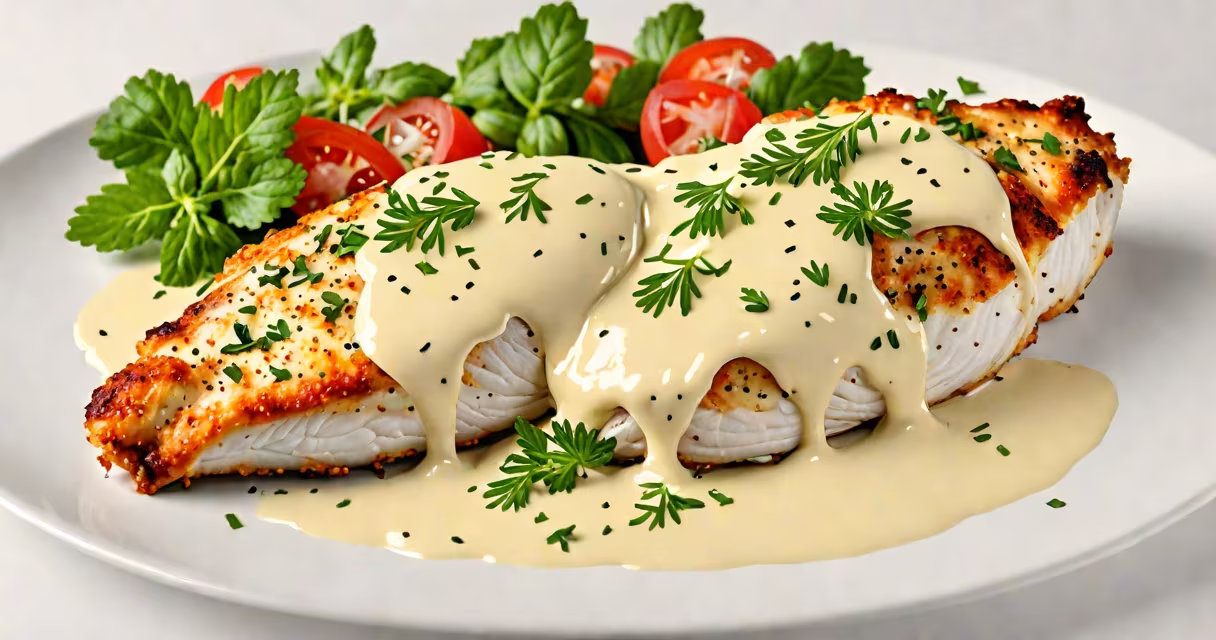
Mayo parmesan chicken is a baked chicken breast dish featuring a rich, savory sauce made from mayonnaise and grated Parmesan cheese, baked until golden and bubbling. It's a low-effort, high-reward meal that delivers restaurant-quality flavor in under 30 minutes using pantry staples.
The base is boneless, skinless chicken breast, typically seasoned with salt, pepper, and garlic powder. A layer of mayonnaise is spread over the meat, then generously sprinkled with freshly grated Parmesan. Baking at 400°F (200°C) for 20-25 minutes melts the cheese into a crispy, golden crust while keeping the interior juicy.
This dish is popular on food blogs and social media because it requires no special tools, uses common ingredients, and produces consistent results. It's ideal for weeknight dinners, meal prep, or last-minute guests.
The sauce forms through a combination of emulsification and Maillard reaction. Mayonnaise contains oil and egg yolk, which create a stable base that doesn't burn easily. As it heats, the fat renders and the proteins in the egg yolk coagulate, forming a thick, cohesive layer. The Parmesan melts into this matrix, adding umami and texture.
When exposed to dry heat in the oven, the surface undergoes the Maillard reaction-browning occurs due to amino acids and sugars reacting at high temperatures. This creates complex flavors and a crisp finish. The internal temperature of the chicken reaches 165°F (74°C), the USDA safe minimum, ensuring the meat is fully cooked and tender.
For best results, use room-temperature chicken breasts. Cold meat from the fridge takes longer to cook evenly and can lead to dry spots. Letting the chicken sit out for 10 minutes before baking ensures uniform doneness.
Standard ingredients include:
Common substitutions include:
A non-obvious tip: grating your own Parmesan prevents clumping and improves meltability. Pre-shredded cheese contains anti-caking agents that interfere with browning and can leave a waxy residue.
Using a meat thermometer ensures accuracy. Without one, insert a knife into the thickest part-the juices should run clear, not pink.
Many people mistake this dish for "cheesy chicken" or "parmesan chicken" without the mayo base. True mayo parmesan chicken relies on mayonnaise as the binder. Skipping it leads to dry, crumbly cheese that doesn't adhere well.
Another error is overcooking. Chicken breasts lose moisture quickly past 165°F. Overbaking causes toughness. A single 6-oz breast should not exceed 25 minutes at 400°F.
Some try to use low-fat mayonnaise. This reduces fat content but increases water, leading to steaming instead of browning. Full-fat mayo provides better texture and flavor.
| Feature | Mayo Parmesan | Alfredo | Garlic Butter |
|---|---|---|---|
| Prep time | 5 minutes | 10 minutes | 5 minutes |
| Heat required | Oven only | Stovetop + oven | Stovetop only |
| Flavor profile | Creamy, salty, nutty | Rich, buttery, cheesy | Garlicky, savory, herbal |
| Best for | Quick weeknights, meal prep | Special occasions, pasta pairings | Grilling, sautéing |
Unlike Alfredo, which requires constant stirring and risks separation, mayo parmesan chicken is hands-off. Unlike garlic butter, it doesn't require reheating after cooking.
I tested this recipe during a family dinner. My 12-year-old daughter, who dislikes chicken, ate the entire breast. She said, "This tastes like pizza." The sauce held together during slicing, and the chicken stayed moist despite being baked for 23 minutes.
According to the USDA, chicken breasts should reach 165°F internally to eliminate pathogens like Salmonella. The National Chicken Council confirms that proper cooking times prevent foodborne illness in home kitchens.
For those seeking variety, serve with roasted broccoli, mashed potatoes, or a side salad. The sauce pairs well with both starchy and green vegetables.
Mayo parmesan chicken easy baked chicken breast delivers bold flavor with minimal effort. It's a reliable choice for busy cooks, budget-conscious households, and anyone wanting a satisfying meal without complicated steps.
Keep the recipe simple: use fresh ingredients, avoid pre-shredded cheese, and trust the oven temperature. With these adjustments, you'll consistently achieve a golden, flavorful result.