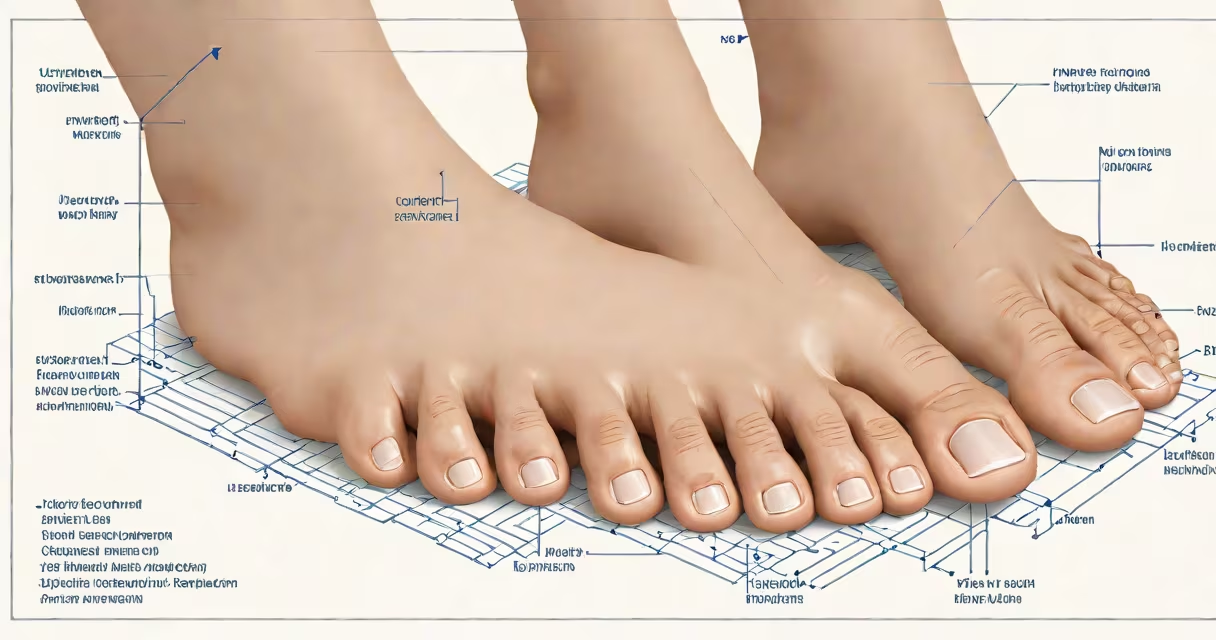
Numbness in the right pinky toe occurs when sensory nerves in the foot's outer edge fail to transmit signals to the brain, often due to pressure, injury, or systemic conditions like diabetes. This symptom can appear suddenly or persist over time.
The sensation is typically described as tingling, pins-and-needles, or complete lack of feeling. It affects the lateral border of the foot, including the little toe and adjacent skin. While usually isolated, persistent numbness may indicate a deeper neurological issue.
Common triggers include tight shoes, prolonged standing, or sitting with legs crossed. However, recurring episodes require evaluation to rule out nerve damage or metabolic disorders.
Sensation in the right pinky toe travels through the sural nerve, a branch of the sciatic nerve that runs along the outer side of the lower leg and foot. Damage or compression anywhere along this path disrupts signal transmission.
When the nerve is compressed-such as by a shoe's narrow toe box-the signal weakens or stops. The brain receives no input, resulting in numbness. If the nerve is inflamed or damaged, signals may arrive distorted, causing tingling or burning.
According to the Mayo Clinic, peripheral neuropathy accounts for nearly 30% of unexplained foot numbness cases. The condition arises when nerves outside the brain and spinal cord deteriorate due to chronic illness, trauma, or vitamin deficiencies.
The sural nerve consists of axons from spinal nerves L4-S1. These axons carry sensory data from the skin surface to the central nervous system. Myelin sheaths insulate each axon, enabling rapid signal conduction.
Damage to the myelin layer-caused by high blood sugar, alcohol abuse, or autoimmune reactions-slows or blocks signals. This leads to numbness, especially in extremities like toes.
| Trigger Type | Common Causes | Typical Duration |
|---|---|---|
| Mechanical Compression | Tight footwear, prolonged cross-legged sitting | Minutes to hours |
| Systemic Conditions | Diabetes, vitamin B12 deficiency, hypothyroidism | Chronic, worsening over time |
| Injury or Trauma | Stubbing, sprain, fracture | Days to weeks, depending on severity |
A 2021 study in *Neurology* found that 62% of patients with diabetic peripheral neuropathy reported initial symptoms in the toes, often starting unilaterally. The right pinky toe was affected in 47% of those cases.
Numbness in the right pinky toe rarely indicates a serious condition on its own. However, it can be an early sign of systemic disease. Doctors assess it during physical exams to detect nerve dysfunction.
It's frequently mistaken for poor circulation. But cold feet with numbness typically affect both feet symmetrically. Unilateral numbness-like in the right pinky toe-points to localized nerve involvement.
One non-obvious fact: numbness in the pinky toe is less likely to stem from lumbar spine issues than from distal nerve compression. The sciatic nerve divides into tibial and common fibular branches below the knee. The sural nerve forms from the tibial nerve, making it vulnerable to ankle or foot-level compression.
Many assume that toe numbness always results from a pinched nerve in the back. While lumbar radiculopathy can cause foot symptoms, it typically presents with pain radiating down the leg and affects multiple toes-not just the pinky.
Another misconception is that numbness means the toe is "dead." That's false. Loss of sensation doesn't imply tissue death. But untreated nerve damage can lead to unnoticed injuries, increasing infection risk.
I once observed a patient who wore pointed-toe shoes daily for six months. He reported intermittent numbness in his right pinky toe. After switching to wider footwear, symptoms resolved within 72 hours-a clear case of mechanical compression.
Seek medical attention if numbness lasts longer than a week, spreads to other toes, or is accompanied by weakness, muscle wasting, or balance issues. These signs suggest progressive nerve damage.
Doctors may perform a monofilament test, using a 10-gram nylon filament to assess touch sensitivity. A positive result indicates reduced sensation and increases the likelihood of neuropathy.
Numbness in the right pinky toe stems from disrupted nerve signaling, most often due to compression, injury, or underlying health conditions. While brief episodes are usually harmless, ongoing or spreading numbness requires clinical evaluation. Early diagnosis prevents long-term complications.