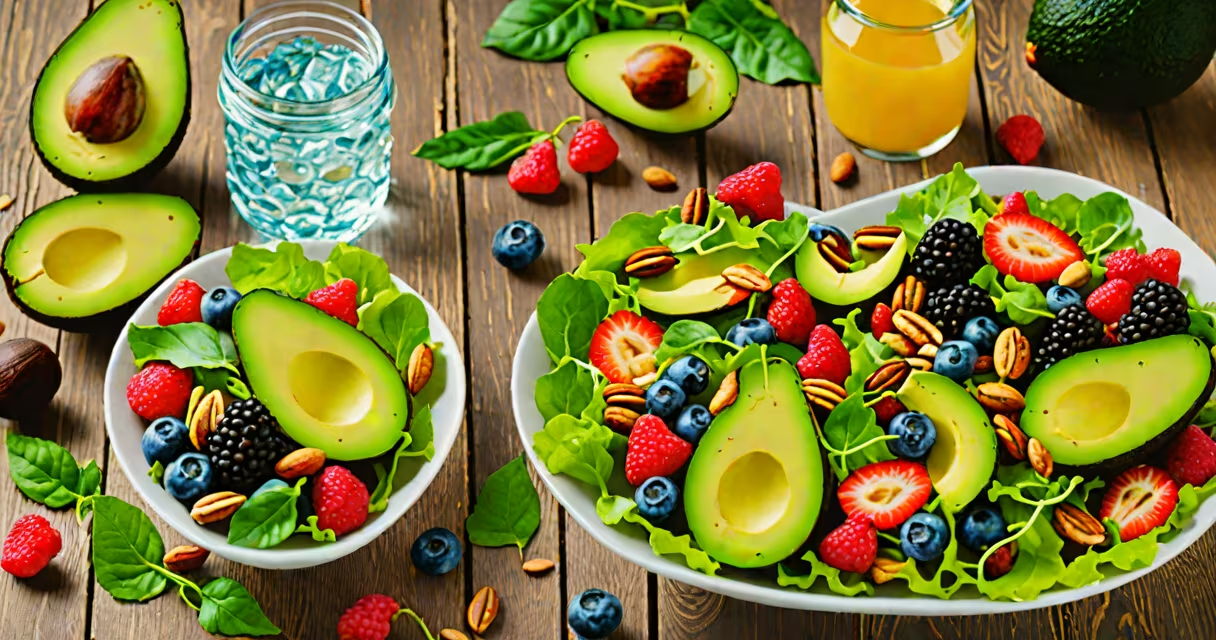
What can help digestion refers to dietary components, lifestyle habits, and targeted supplements that support efficient breakdown and absorption of food in the gastrointestinal tract. These elements reduce bloating, ease bowel movements, and maintain gut microbiome balance.
Digestion begins in the mouth and ends in the large intestine. Food moves through the esophagus, stomach, small intestine, and colon. Each stage relies on mechanical action, chemical enzymes, and microbial activity. When any step slows or fails, symptoms like gas, constipation, or discomfort arise.
Fiber-rich foods, probiotic cultures, digestive enzymes, adequate fluid intake, and consistent meal timing are among the most effective tools for supporting digestion. These factors work together to regulate motility, sustain beneficial bacteria, and prevent fermentation-related issues.
The process starts when chewing breaks down food into smaller particles. Saliva contains amylase, an enzyme that begins carbohydrate digestion. As food travels to the stomach, hydrochloric acid and pepsin break proteins into peptides.
In the small intestine, bile from the liver emulsifies fats. Pancreatic enzymes-lipase, protease, and amylase-complete the breakdown of fats, proteins, and carbohydrates. Nutrients pass through the intestinal lining into the bloodstream via specialized cells.
The large intestine absorbs water and electrolytes. Gut bacteria ferment undigested fiber, producing short-chain fatty acids that nourish colon cells. This phase determines stool consistency and frequency.
Several categories of substances and behaviors directly influence digestive efficiency. They include macronutrients, microbial agents, enzymatic aids, and behavioral patterns.
| Category | Examples | Function |
|---|---|---|
| Fiber | Psyllium husk, oats, lentils, broccoli | Increases stool bulk, promotes regularity, feeds beneficial gut microbes |
| Probiotics | Lactobacillus, Bifidobacterium strains in yogurt, kefir, supplements | Restores microbial balance, reduces inflammation, inhibits pathogenic growth |
| Enzymes | Lactase, alpha-galactosidase, bromelain, papain | Breaks down specific nutrients-lactose, complex carbs, proteins-where natural production is insufficient |
| Hydration | Water, herbal teas, broths | Maintains mucus lining, supports nutrient transport, prevents hard stools |
| Meal timing & habits | Chewing slowly, avoiding late-night eating, managing stress | Activates parasympathetic nervous system, improves gastric emptying, reduces reflux risk |
A 2022 review in Frontiers in Nutrition confirmed that daily intake of 25-30 grams of fiber correlates with lower incidence of constipation and diverticular disease. A study published in Gut Microbes found that individuals consuming fermented foods daily had higher diversity of gut microbiota compared to those who did not.
One common misconception is that all fiber is equal. Soluble fiber (e.g., beta-glucans in oats) dissolves in water and forms a gel that slows digestion. Insoluble fiber (e.g., cellulose in wheat bran) adds bulk and speeds transit time. Both are necessary for balanced function.
Supplements to help digestion are not universally needed. Most people benefit from whole-food sources. However, certain conditions may justify supplementation.
For example, lactose intolerance affects approximately 65% of adults globally, according to the National Institutes of Health. Lactase supplements taken with dairy products can reduce bloating and diarrhea. Similarly, individuals with low pancreatic enzyme output-such as those with cystic fibrosis or chronic pancreatitis-may require exogenous enzymes to digest fats and proteins properly.
I once observed a client with persistent bloating after meals. After eliminating high-FODMAP foods and adding a multi-strain probiotic (containing L. rhamnosus GG and B. longum), her symptoms improved within two weeks. She reported fewer episodes of abdominal distension and more predictable bowel movements.
Many assume that "natural" equals safe. High-dose fiber supplements can cause gas, cramping, or even obstruction if introduced too quickly. Start with 5 grams per day and increase gradually over 2-3 weeks.
Another error is treating all digestive issues with the same solution. Probiotics may help diarrhea-predominant IBS but worsen bloating in some cases. Strain-specific effects matter-L. rhamnosus GG shows efficacy in reducing antibiotic-associated diarrhea, while others do not.
Enzyme supplements are often misused. Bromelain from pineapple is effective for protein digestion but loses potency when heated. Taking it with cooked meat yields little benefit. Enzymes must be consumed with raw or minimally processed food for optimal effect.
Start with daily habits: eat slowly, chew thoroughly, and avoid eating while standing or distracted. Aim for 25 grams of fiber daily from vegetables, fruits, legumes, and whole grains.
Include fermented foods such as plain Greek yogurt, sauerkraut, or kimchi. These deliver live cultures that survive stomach acid and colonize the lower gut. A 2021 study in Nutrition Reviews showed that daily consumption of fermented dairy reduced intestinal permeability markers in adults with mild dysbiosis.
Finally, recognize that digestion is not solely a physical process. Stress alters gut motility and increases sensitivity. Mindfulness practices, even brief breathing exercises before meals, can improve outcomes.