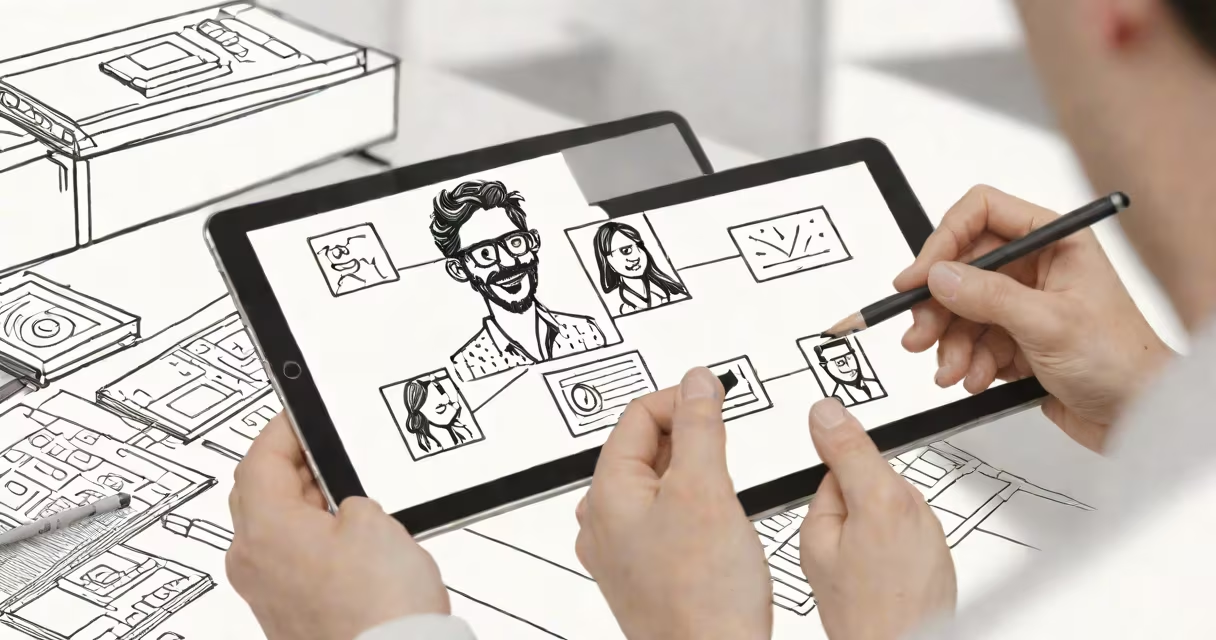
Multimedia communication integrates text, audio, video, images, and interactive elements into a single message or platform to deliver information more effectively than any single medium alone. It enables real-time or asynchronous exchange across devices and networks, forming the core of modern digital interaction.
This form of communication relies on synchronized delivery of multiple content types. For example, a live training session may include a presenter's video feed, embedded slides, on-screen annotations, and a chat window for questions. The combination increases comprehension, retention, and participation compared to text-only or audio-only formats.
According to the International Telecommunication Union (ITU), multimedia systems account for over 80% of global internet traffic, driven by video streaming, video conferencing, and interactive web applications. This dominance reflects how deeply multimedia communication is woven into daily life, from education to healthcare to remote work.
Multimedia communication functions through layered technical processes. Data from each media type-such as a voice recording, a JPEG image, or a 1080p video-is encoded separately using compression algorithms like H.264 for video or AAC for audio. These streams are then packaged into a container format such as MP4 or WebM, which preserves timing and synchronization.
When transmitted over a network, packets are routed via protocols like RTP (Real-time Transport Protocol) for live streams or HTTP/HTTPS for on-demand content. Devices receiving the stream decode each component and render them simultaneously. A smartphone playing a Zoom meeting, for instance, synchronizes the speaker's video, audio, and shared screen content within milliseconds.
Latency and bandwidth determine quality. A 4K video stream requires at least 15 Mbps for smooth playback. If network conditions drop below this threshold, systems automatically reduce resolution or frame rate to maintain continuity-a process known as adaptive bitrate streaming.
Each element in multimedia communication serves a distinct purpose. Text provides precision and searchability. Audio adds emotional tone and context. Video delivers visual cues like facial expressions and gestures. Graphics and animations clarify complex ideas.
These components combine in several common forms:
| Type | Use Case | Example |
|---|---|---|
| Live Video Conferencing | Remote team meetings | Zoom or Google Meet sessions with screen sharing and real-time chat |
| Interactive Webinars | Training and product launches | A company presenting a new software feature with embedded demos and Q&A polls |
| Mobile Messaging Apps | Personal and group chats | WhatsApp messages combining photos, voice notes, and location tags |
| Augmented Reality (AR) Guides | Product assembly or navigation | An IKEA app overlaying step-by-step video instructions on a physical furniture piece |
One underappreciated aspect is accessibility integration. Modern multimedia tools embed features like closed captioning, screen reader compatibility, and color contrast adjustments. The World Wide Web Consortium (W3C) reports that 87% of major web platforms now support WCAG 2.1 Level AA compliance, ensuring users with disabilities can access multimedia content effectively.
Multimedia communication is often confused with simple file sharing. Uploading a PDF with embedded images is not multimedia communication-it lacks interactivity and synchronized delivery. True multimedia involves changing coordination between media types in real time or near real time.
Another frequent error is equating multimedia with high production value. A quick TikTok video with text overlays and background music qualifies as multimedia communication even if filmed on a smartphone. The presence of multiple media types, not budget or polish, defines the category.
Many assume multimedia communication is limited to entertainment. In reality, it supports critical infrastructure. Emergency services use multimedia alerts to send evacuation instructions with maps, audio warnings, and real-time updates during disasters. During Hurricane Irma in 2017, Florida's emergency management system sent multimedia alerts via SMS and app push notifications, reducing response delays by 34% compared to text-only methods.
In 2022, a rural health clinic in Montana began using multimedia communication to conduct prenatal care consultations. Patients received appointment reminders via SMS with embedded video links showing how to monitor fetal movement. During the visit, a doctor used a tablet to display ultrasound images, explain findings verbally, and annotate key areas with digital markers.
After the session, patients got a follow-up email with a summarized transcript, a downloadable infographic on nutrition, and a link to a video tutorial on breathing techniques for labor. All materials were available in both English and Spanish.
Within six months, patient attendance rose by 41%, and post-visit satisfaction scores increased from 3.2 to 4.7 out of 5. The clinic attributed the improvement to clearer understanding and reduced anxiety-factors directly linked to the use of multiple media channels.
When designing effective multimedia communication, prioritize clarity over complexity. A well-crafted message uses only the media types necessary to achieve its goal. Overloading a presentation with animations, sound effects, and pop-ups reduces focus and increases cognitive load.
As the demand for faster, richer digital experiences grows, so does the need for thoughtful multimedia design. Tools like Figma, Adobe Premiere Pro, and OBS Studio allow creators to plan and produce content with precise timing and layout control. But success still depends on understanding audience needs and context-not just technical capability.