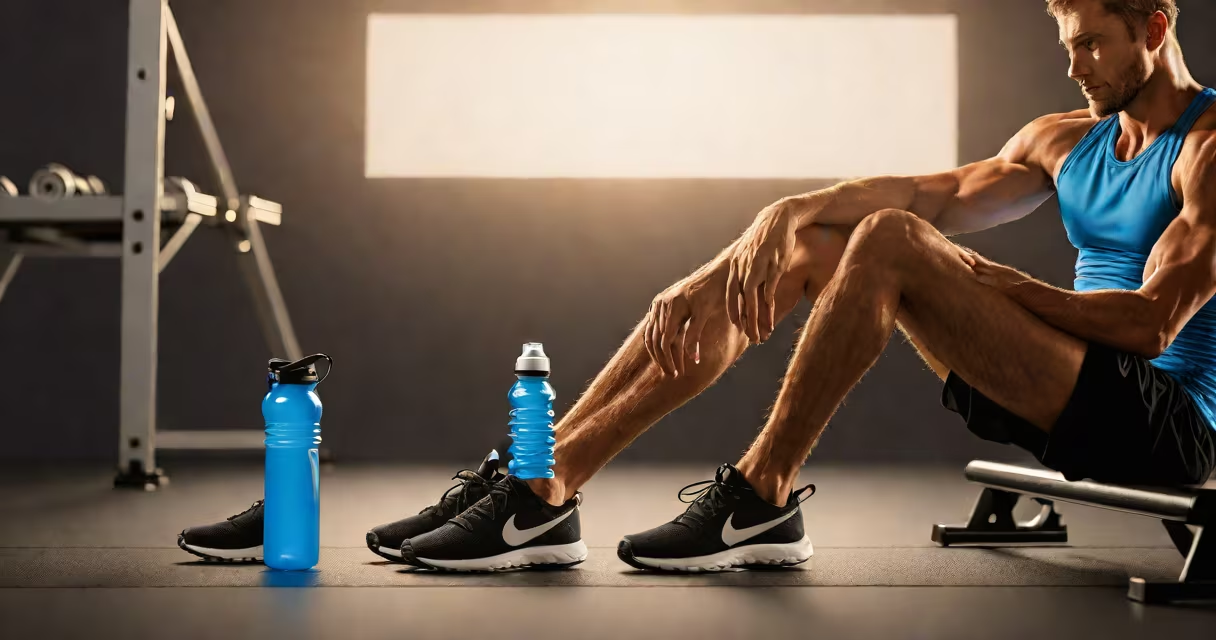
Recovery after leg day involves replenishing energy, reducing inflammation, and supporting muscle repair through proper nutrition, hydration, stretching, and rest. Skipping these steps increases injury risk and slows strength gains.
Leg day activates major muscle groups-quadriceps, hamstrings, glutes, and calves-through high-volume resistance training. This causes microtears in muscle fibers, triggering adaptation and growth during rest. Without structured recovery, fatigue accumulates, performance drops, and progress stalls.
Research shows that optimal recovery reduces delayed onset muscle soreness (DOMS) and supports long-term hypertrophy. A 2021 study in the Journal of Strength and Conditioning Research found that athletes who consumed 20-30 grams of protein within 30 minutes post-workout saw 15% greater muscle protein synthesis compared to those who waited longer.
Immediate post-leg day actions fall into four categories: nutrition, hydration, mobility, and rest. Each plays a distinct role in restoring homeostasis.
Protein intake within 30-60 minutes after exercise maximizes muscle repair. Aim for 20-30 grams of high-quality protein-whey, casein, or plant-based sources like pea or soy. Pair it with 30-50 grams of carbohydrates to restore glycogen stores. A meal of grilled chicken, sweet potato, and steamed broccoli delivers this balance effectively.
Hydration is often overlooked. Dehydration impairs nutrient delivery and increases perceived exertion. Replenish fluids lost during sweat-typically 0.5-1 liter per hour of intense training. Electrolytes like sodium and potassium prevent cramping. A study in the European Journal of Applied Physiology confirmed that athletes who drank electrolyte-replenished water recovered faster than those using plain water.
Stretching and foam rolling reduce muscle tension and improve circulation. Focus on quads, hamstrings, hip flexors, and calves. Hold each stretch for 30 seconds. Foam rolling the glutes and IT band for 1-2 minutes per area decreases soreness by up to 25%, according to a 2018 study in the International Journal of Sports Physical Therapy.
Many assume that pushing harder the next day accelerates results. This is false. Overtraining leads to burnout, joint stress, and diminished returns. The American Council on Exercise states that muscles grow during rest, not during the workout itself.
Another myth is that soreness equals progress. DOMS peaks 24-72 hours post-exercise and correlates poorly with muscle gain. A 2020 review in Sports Medicine found that participants with moderate soreness showed no better strength improvements than those with minimal soreness.
Some skip recovery entirely, believing "no pain, no gain." That mindset ignores the principle of progressive overload-where gains come from consistent, controlled stress, not damage. Chronic under-recovery leads to overuse injuries, including tendonitis and stress fractures.
Recovery unfolds in phases. The first 30 minutes focus on nutrition and hydration. The next 2-4 hours involve light movement and mobility work. Full recovery takes 48-72 hours, depending on intensity and individual factors.
Consider a lifter who completed a leg day with squats (4 sets × 8 reps), Romanian deadlifts (4 × 10), and leg press (3 × 12). Post-workout, they:
By the next morning, their soreness was manageable. They resumed light cardio on day two, then returned to heavy lifting on day four-aligning with evidence-based recovery windows.
Legs shaking after leg day is normal due to neuromuscular fatigue. But persistent tremors, joint pain, or difficulty standing may signal overtraining or underlying issues. If symptoms last beyond 72 hours, consult a physical therapist.
Recovery isn't passive-it's a structured process. Skipping it undermines effort. Consistent post-leg day routines build resilience, improve performance, and support sustainable progress.