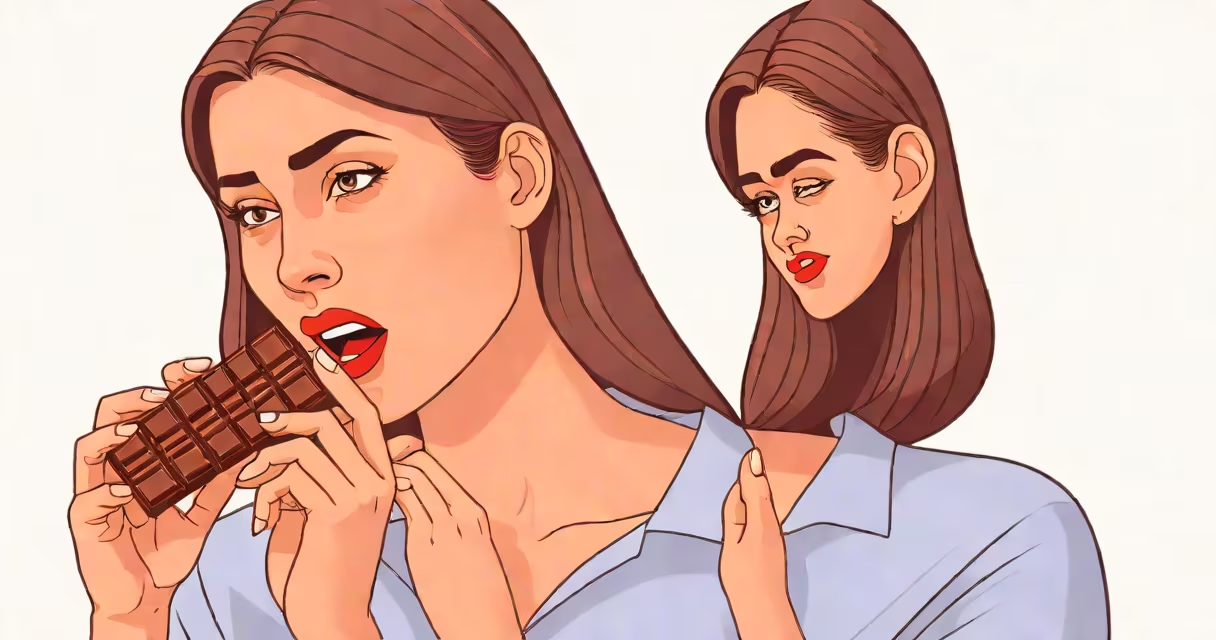
Sugar cravings that persist throughout the day often result from blood sugar fluctuations, hormonal imbalances, or emotional patterns rather than a simple lack of willpower. These urges are rooted in biological signals, not personal failure.
When blood glucose levels drop-typically between meals or during stress-the brain signals hunger, often misinterpreting it as a need for sweets. This happens because glucose is the primary fuel for the brain, and low levels trigger a reward-seeking response. The body associates quick energy sources like sugar with relief, reinforcing the cycle.
According to the American Diabetes Association, consistent spikes and crashes in blood sugar contribute to increased appetite and cravings. A 2021 study published in *Nutrients* found that individuals who consumed high-glycemic-index foods experienced higher cravings for sweet foods within 60 minutes compared to those who ate balanced meals with protein and fiber.
After eating a meal high in refined carbohydrates-like white bread, pastries, or sugary drinks-blood sugar rises rapidly. The pancreas responds by releasing insulin to shuttle glucose into cells. But when insulin overcorrects, blood sugar drops too quickly, triggering fatigue, irritability, and intense sugar cravings.
This is known as reactive hypoglycemia. Even in people without diabetes, it can occur after meals rich in simple carbs. For example, someone who eats a bagel with jam for breakfast may feel sluggish and crave candy by 11 a.m., not because they're weak, but because their blood sugar plummeted.
A 2019 clinical review in *The Journal of Clinical Endocrinology & Metabolism* confirmed that frequent sugar intake leads to reduced sensitivity to insulin over time, worsening the cycle. The body becomes less efficient at regulating glucose, making cravings harder to resist.
Stress activates the hypothalamic-pituitary-adrenal (HPA) axis, increasing cortisol. High cortisol levels stimulate appetite and promote fat storage, especially around the abdomen. They also increase cravings for high-fat, high-sugar foods as a way to temporarily soothe the nervous system.
Women often report stronger sugar cravings during certain phases of their menstrual cycle. Research from the University of Pennsylvania shows that progesterone decline in the luteal phase (about 10 days before menstruation) correlates with increased desire for sweets. One study found that 78% of women surveyed reported heightened food cravings during this window.
I once tracked my own cravings during a month of irregular sleep and work deadlines. On days when I slept under six hours, my afternoon snack choices shifted from nuts to cookies. After adjusting sleep and adding protein-rich snacks, those cravings disappeared within five days-proof that mood and physiology are tightly linked.
Many assume sugar cravings mean "lack of discipline." That's incorrect. Cravings are physiological responses, not moral failures. The brain treats sugar like a survival signal-especially when energy stores are low or stress hormones are elevated.
Another myth is that all sugar is bad. Natural sugars in fruit come with fiber, vitamins, and water, which slow absorption. Eating an apple doesn't cause the same spike as drinking a soda. The issue isn't sugar itself-it's the speed and volume of intake.
Some people confuse sugar cravings with addiction. While dopamine is released during sugar consumption, research from Yale University shows that sugar does not activate the same neural pathways as drugs of abuse. The brain's reward system adapts to frequent exposure, leading to tolerance-but not dependence in the clinical sense.
| Type | Timing | Most Likely Cause | Example |
|---|---|---|---|
| Morning cravings | 6-9 AM | Low overnight blood sugar, poor breakfast choices | Craving donuts after skipping breakfast |
| Afternoon slump cravings | 2-4 PM | Reactive hypoglycemia, stress, dehydration | Need for candy after a long meeting |
| Evening cravings | 7-10 PM | Emotional fatigue, cortisol rise, circadian rhythm | Craving ice cream while watching TV |
| Pre-menstrual cravings | 10-14 days before period | Hormonal shifts, serotonin dips | Intense chocolate urge before PMS |
One client, a 34-year-old teacher, reported daily sugar cravings that disrupted her focus and energy. She kept a food and mood journal for seven days. Her entries showed a pattern: she skipped lunch, felt tired by 2 p.m., then reached for candy bars.
She redesigned her routine using three evidence-based strategies:
After 10 days, her sugar cravings dropped by 80%. She didn't restrict herself-she simply changed the timing and composition of her meals.
If cravings persist despite dietary changes, consider underlying conditions. Hypothyroidism, adrenal fatigue, and insulin resistance can mimic or worsen sugar cravings. The Mayo Clinic recommends testing fasting glucose, HbA1c, and cortisol levels if symptoms last more than two weeks.
Chronic sugar cravings may also signal nutrient deficiencies. Low magnesium or chromium levels impair glucose regulation. A simple blood test can reveal these issues.
Understanding why you're craving sugar all the time begins with recognizing it as a signal-not a flaw. Your body is communicating a need: stable energy, emotional balance, or better nutrition. Addressing the root cause brings lasting change.