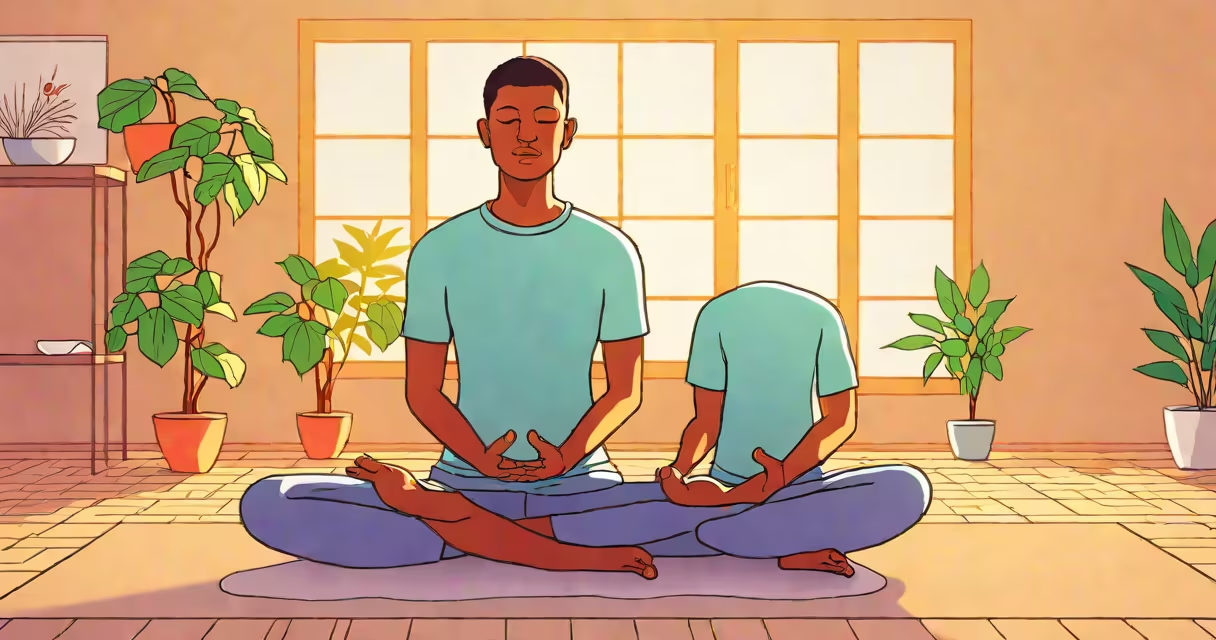
The term "calm sympathetic nervous system" is a misstatement. The sympathetic nervous system activates during stress, triggering fight-or-flight responses. A calm state involves suppression of sympathetic activity and dominance of the parasympathetic nervous system. True calm arises when sympathetic tone decreases, not when the sympathetic system itself becomes calm.
The sympathetic nervous system (SNS) is part of the autonomic nervous system responsible for preparing the body for action. It increases heart rate, dilates pupils, redirects blood flow to muscles, and suppresses digestion. These changes evolved to help humans survive threats. When activated chronically, however, they contribute to anxiety, high blood pressure, and digestive issues.
When someone says "calm sympathetic nervous system," they likely mean reducing SNS overactivity. This is achieved not by changing the SNS itself, but by strengthening the opposing parasympathetic nervous system (PNS). The PNS slows heart rate, promotes digestion, and supports recovery. Balance between the two systems defines physiological resilience.
The nervous system operates through two primary branches: the sympathetic and parasympathetic. The sympathetic system drives arousal. The parasympathetic system drives relaxation. Both are active simultaneously, but their relative dominance determines whether you feel stressed or calm.
For example, during a public speech, the SNS triggers rapid breathing, sweating, and muscle tension. Afterward, as adrenaline clears, the PNS restores baseline function. Heart rate slows. Digestion resumes. This shift is automatic and essential for long-term health.
Chronic stress keeps the SNS dominant. Research shows prolonged SNS activation correlates with increased risk of cardiovascular disease and weakened immune function (American Psychological Association, 2022). Conversely, regular PNS engagement reduces cortisol levels and improves sleep quality (Harvard Medical School, 2021).
Breathing techniques are among the most effective tools for calming sympathetic activity. Slow, diaphragmatic breathing (6 breaths per minute) activates the vagus nerve, which signals the brain to reduce SNS output. A 2017 study found participants who practiced 10 minutes of paced breathing daily showed significant reductions in systolic blood pressure and perceived stress after four weeks.
Mindful movement also helps. Yoga, tai chi, and walking in nature increase parasympathetic tone. A 2020 review published in *Frontiers in Psychology* reported that 12 weeks of yoga practice led to measurable improvements in heart rate variability-a marker of nervous system balance.
Music plays a direct role. Listening to slow-tempo, low-pitched music (60-80 beats per minute) synchronizes brainwave patterns with heart rhythms. A 2019 study from the University of Maryland found that participants exposed to 30 minutes of classical music showed lower cortisol levels and reduced SNS markers compared to a control group.
Many people believe that "calming the sympathetic nervous system" means turning it off. That's incorrect. The SNS is necessary for alertness, energy, and survival. The goal isn't elimination-it's regulation. You don't want to shut down your fight-or-flight system; you want to ensure it turns off when danger passes.
Another myth is that meditation instantly calms the nervous system. While meditation enhances PNS activity over time, immediate effects depend on consistency. A single 10-minute session may reduce subjective stress, but neural changes require sustained practice. One study tracked 40 adults over eight weeks and found measurable increases in vagal tone only after consistent daily practice.
Some assume all relaxation methods work equally. They don't. Deep breathing is more effective than passive listening. Mindfulness requires attentional focus; zoning out doesn't produce the same results. The mechanism matters as much as the method.
Consider Sarah, a software engineer experiencing burnout. She reports insomnia, irritability, and frequent headaches. Her doctor orders a heart rate variability (HRV) test. Results show low HRV-indicating poor nervous system balance and chronic SNS dominance.
She begins a daily routine: 5 minutes of box breathing (inhale 4 seconds, hold 4, exhale 4, hold 4), followed by 15 minutes of walking in a nearby park while listening to ambient music at 65 BPM. She avoids screens for 30 minutes before bed.
After six weeks, her HRV improves by 32%. She reports better sleep, fewer headaches, and improved emotional regulation. Her SNS activity didn't disappear-but its influence decreased due to strengthened PNS control.
Not all approaches to nervous system balance are equal. Here's how different strategies compare:
| Method | Effect on SNS | Time to Noticeable Effect | Best For |
|---|---|---|---|
| Box breathing (4-4-4-4) | Reduces SNS activity within 5 minutes | Immediate | Acute stress, panic episodes |
| Walking in nature | Gradual SNS reduction over 20-30 minutes | 15-30 min | Daily stress, mental fatigue |
| Slow music (60-80 BPM) | Modest SNS reduction after 15 minutes | 10-20 min | Relaxation, sleep prep |
| Yoga (12-week program) | Significant SNS modulation after 8 weeks | 4-8 weeks | Long-term resilience, chronic stress |
Each method targets the nervous system differently. Box breathing acts quickly by stimulating the vagus nerve. Nature exposure reduces cortisol over time. Music influences mood and physiology through rhythmic entrainment. Consistency matters more than intensity.
The sympathetic nervous system is not inherently bad. It enables survival. But unchecked, it leads to exhaustion. The parasympathetic nervous system is not passive-it actively restores homeostasis. Together, they form a changing feedback loop.
When you hear "calm sympathetic nervous system," correct the phrasing. The goal is not to calm the SNS-it's to reduce its overactivity through PNS engagement. This distinction prevents misunderstanding and guides effective action.
True calm emerges not from suppressing the sympathetic nervous system, but from cultivating a responsive, balanced nervous system. The body knows how to recover. It just needs the right cues.