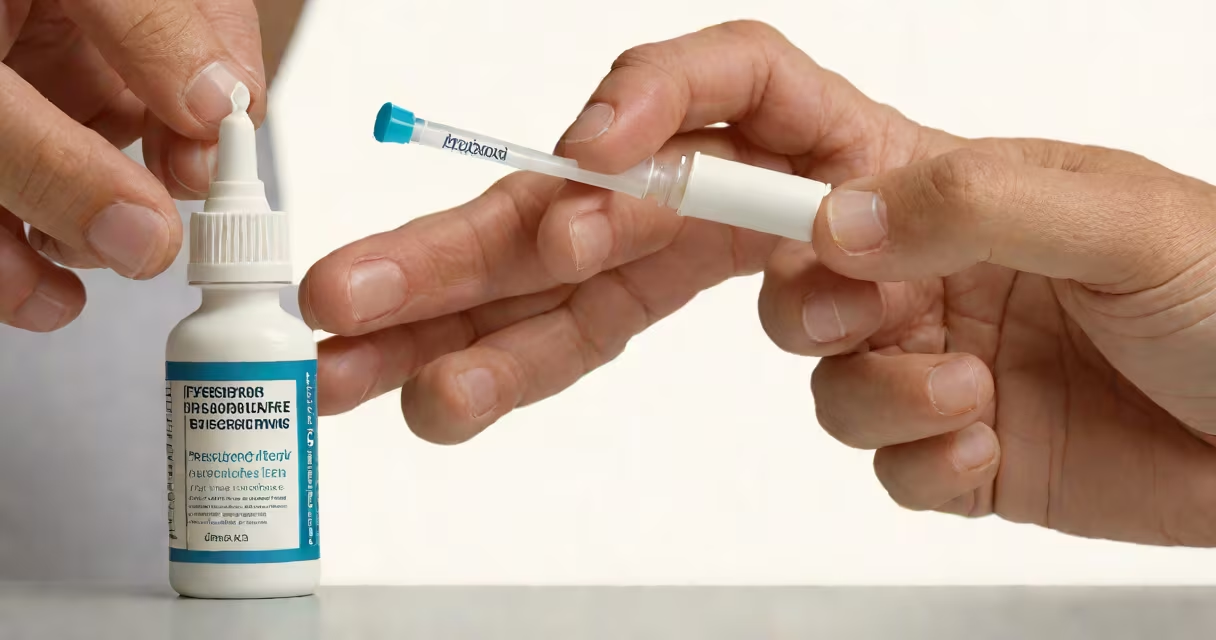
The best over-the-counter decongestant varies by individual needs, but oxymetazoline nasal spray and pseudoephedrine tablets are most effective for acute nasal congestion. Oxymetazoline acts quickly on swollen nasal tissues, reducing blockage within minutes. Pseudoephedrine offers sustained relief lasting up to 12 hours, making it ideal for prolonged symptoms.
Nasal congestion results from inflamed blood vessels in the nasal passages during colds, allergies, or sinus infections. Decongestants work by constricting these vessels, shrinking swollen tissue and restoring airflow. They do not treat the underlying cause-viral infection or allergens-but relieve discomfort and improve breathing.
Top-rated options include Afrin (oxymetazoline) and Sudafed (pseudoephedrine). Both are available without prescription, though pseudoephedrine requires ID and is kept behind the pharmacy counter due to abuse potential. Use of either should not exceed three days continuously unless directed by a healthcare provider.
Decongestants reduce swelling in the nasal mucosa by stimulating alpha-adrenergic receptors. This triggers vasoconstriction-the narrowing of blood vessels-decreasing fluid leakage into surrounding tissues. As pressure drops, airways open, improving breathing.
Oxymetazoline, found in nasal sprays like Afrin, delivers targeted action. A single spray in each nostril reduces congestion within five minutes. Effects last four to six hours. Because it's applied locally, systemic absorption is low, minimizing side effects in most users.
Pseudoephedrine, sold in oral tablets such as Sudafed and Mucinex D, enters the bloodstream and acts systemically. It reaches peak concentration in 2-4 hours and maintains effectiveness for 6-12 hours. Its effect lasts longer than oxymetazoline but may cause jitteriness, increased heart rate, or difficulty sleeping.
Decongestants come in two forms: topical (nasal sprays) and oral (tablets). Each has distinct advantages and limitations based on duration, onset speed, and risk profile.
| Type | Active Ingredient | Onset Time | Duration | Best For |
|---|---|---|---|---|
| Nasal Spray | Oxymetazoline | 5 minutes | 4-6 hours | Quick relief, short-term use |
| Oral Tablet | Pseudoephedrine | 20-30 minutes | 6-12 hours | Persistent congestion, nighttime use |
| Oral Tablet | Phenylephrine | 30-60 minutes | 4-6 hours | Less effective alternative |
Oxymetazoline is available in over 20 brands, including Afrin, Neosynephrine, and generic versions. Most contain 0.05% oxymetazoline. Use no more than two sprays per nostril, twice daily. Exceeding this increases risk of rebound congestion-a condition called rhinitis medicamentosa.
Pseudoephedrine is found in combination products like DayQuil Cold & Flu, Mucinex D, and Sudafed. Dosages range from 30 mg to 60 mg per tablet. Adults typically take one tablet every 4-6 hours, not exceeding three doses in 24 hours.
Phenylephrine, used in many generic formulations, is less effective than pseudoephedrine. A 2019 study published in Annals of Pharmacotherapy found phenylephrine had minimal impact on nasal airflow compared to pseudoephedrine. Despite this, it remains widely available due to regulatory restrictions on pseudoephedrine.
Use decongestants only for temporary relief of nasal blockage. They are not intended for chronic conditions like chronic sinusitis or untreated allergies. Long-term use leads to dependency and worsening congestion.
Do not use oxymetazoline beyond three consecutive days. After this, the nasal lining becomes hyper-responsive, causing rebound swelling. This cycle can persist for weeks after stopping use. The FDA warns against extended use and recommends limiting applications to no more than two days in a row.
Pseudoephedrine is contraindicated in people with uncontrolled high blood pressure, glaucoma, or heart disease. It can raise blood pressure and heart rate, increasing stroke and cardiac event risks. Patients with diabetes should monitor glucose levels closely, as pseudoephedrine may affect insulin sensitivity.
A common mistake is combining decongestants with antihistamines without assessing symptoms. Antihistamines treat runny nose and sneezing, not blockage. Using both together adds unnecessary medication burden. If you have only congestion, a decongestant alone suffices.
Consider a 34-year-old office worker with a three-day-old cold. Symptoms include blocked nose, mild headache, and fatigue. He uses a saline rinse in the morning, then applies one spray of Afrin (oxymetazoline) in each nostril at 9 a.m. Congestion improves within ten minutes. He avoids using it again until evening.
At 6 p.m., he takes a 60 mg pseudoephedrine tablet with water. By 8 p.m., his breathing is clear. He sleeps through the night without waking to breathe through his mouth. He stops all decongestants the next day and resumes saline rinses.
This approach follows evidence-based guidelines from the American Academy of Otolaryngology-Head and Neck Surgery (AAO-HNS), which recommend short-term, intermittent use of decongestants for symptomatic relief during viral upper respiratory infections.
Many assume decongestants cure colds or prevent complications. They do not. Viruses cause colds; decongestants only mask symptoms. Using them does not shorten illness duration or lower risk of secondary infection.
Another myth is that nasal sprays are safer than pills. While oxymetazoline has lower systemic exposure, improper use leads to rebound congestion. Oral decongestants carry higher cardiovascular risk but are better suited for long-lasting relief when used correctly.
Some patients confuse decongestants with pain relievers. Ibuprofen or acetaminophen reduce fever and headache but don't open nasal passages. Combining them with decongestants is safe and often helpful, but they serve different purposes.
I once treated a patient with severe allergic rhinitis who had been using Afrin for seven days straight. She reported worsening congestion and frequent nosebleeds. After discontinuing use, her symptoms improved over five days. She later switched to a steroid nasal spray under medical supervision. This case illustrates how overuse of topical decongestants leads to dependency and tissue damage.
Always consult a pharmacist or physician before combining decongestants with other medications. Interactions with antidepressants, blood pressure drugs, or stimulants can lead to serious adverse events.
For most people, oxymetazoline provides fast, localized relief. For longer-term needs, pseudoephedrine offers greater duration. Choose based on symptom pattern, medical history, and duration of use. The best over the counter decongestant is the one that relieves symptoms safely and effectively within recommended limits.