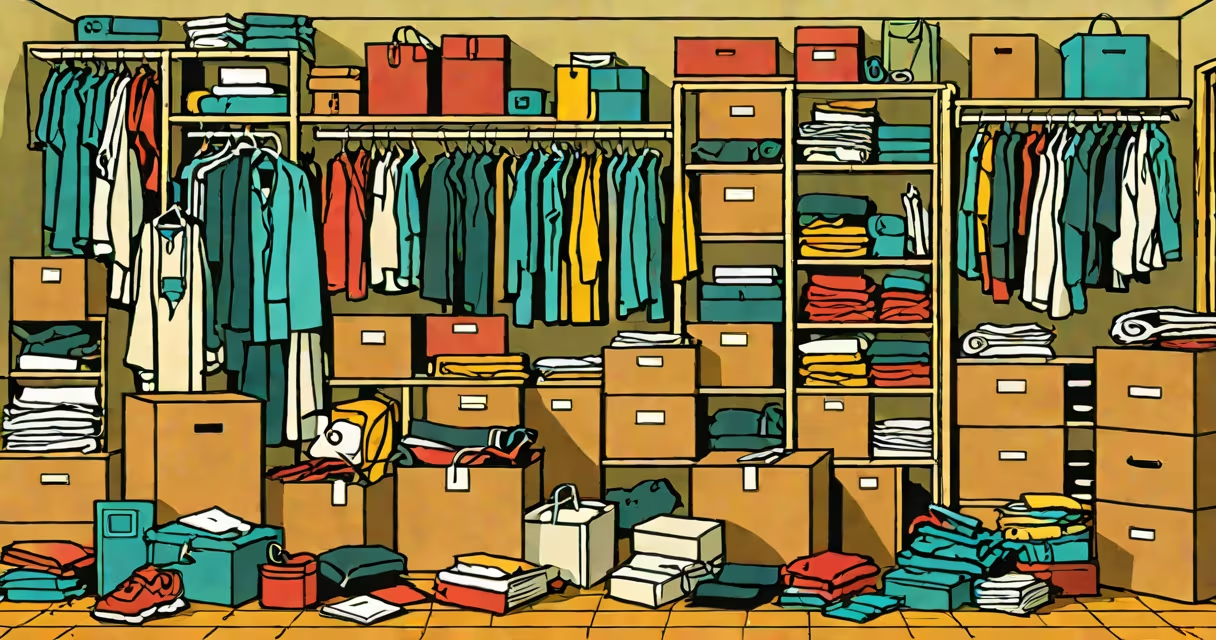
Where to sell your old stuff refers to the platforms, apps, and physical locations where individuals list and exchange unwanted or unused items for money, typically through peer-to-peer or marketplace models. These channels allow users to monetize household clutter, outdated tech, clothing, and collectibles.
Most platforms operate on a digital marketplace model. Users upload photos, write descriptions, set prices, and accept offers or bids. Transactions often include shipping coordination, payment processing, and buyer-seller communication. Some services offer in-person meetups or local pickup to avoid shipping costs.
Popular options include online marketplaces like Facebook Marketplace, eBay, and Craigslist, as well as specialized apps such as Poshmark for fashion, OfferUp for general goods, and Swappa for smartphones and laptops. Physical venues like consignment shops, pawnbrokers, and thrift stores also accept used items, though they usually pay less than direct sales.
When you decide to sell your old stuff, the process begins with selecting a platform. Each site or app has its own listing guidelines, fee structure, and verification steps. For example, eBay charges a final value fee of 10% on sales under $25,000, while Facebook Marketplace is free but lacks buyer protection.
After creating a listing, you wait for interest. Buyers message you with questions or offers. You respond, negotiate, and confirm the sale. Once agreed, you ship the item (if applicable) or arrange a pickup. Payment arrives via the platform's system-PayPal, Stripe, or direct bank transfer-after delivery confirmation.
A real example: A user sold a 2018 MacBook Pro (13-inch, 256GB SSD) on Swappa. They listed it for $950, included five high-res photos, and detailed the battery health (85%). Within four days, a buyer from Colorado offered $920. After confirming the device was in working condition, the seller shipped it via FedEx with insurance. The buyer confirmed receipt, and the funds cleared in 48 hours.
Different platforms suit different kinds of items. Here's a breakdown of common options based on category:
| Type | Best For | Typical Fees | Examples |
|---|---|---|---|
| General Marketplaces | Clothing, furniture, tools, books | 0-10% of sale price | Facebook Marketplace, Craigslist, OfferUp |
| Fashion-Focused | Designer clothes, shoes, accessories | 15-20% commission | Poshmark, Depop, ThredUp |
| Electronics-Specific | Smartphones, laptops, gaming consoles | 0-5% + optional protection | Swappa, Gazelle, BackMarket |
| Peer-to-Peer (Local) | Large items, fragile goods, quick cash | None (but risk of scams) | Nextdoor, Facebook Groups, local buy/sell/trade |
For electronics, Swappa stands out because it enforces a "no returns" policy and requires sellers to verify device serial numbers. This reduces fraud and increases trust. In contrast, Facebook Marketplace allows anyone to post, which increases visibility but also the risk of scams.
One non-obvious fact: Many buyers on general marketplaces expect a discount. A 2023 survey by Statista found that 68% of shoppers on Facebook Marketplace and OfferUp negotiated prices below the listed amount. Setting your price slightly above market value accounts for this behavior.
Many people fail to sell their old stuff because they don't follow basic principles. Overpricing is the most frequent error. An item listed at $150 when similar ones sell for $80-$100 won't attract buyers. Research comparable listings before setting a price.
Another mistake is poor photography. A blurry, poorly lit photo of a vintage watch can deter buyers. Use natural light, a plain background, and multiple angles. A clear image increases perceived value.
I once tried selling a pair of leather boots on Facebook Marketplace. I priced them at $120 with a single photo taken in dim lighting. After three weeks, no one responded. I relisted them at $85 with six crisp images and a note about wear patterns. Within 24 hours, a buyer messaged me. The boots sold for $80 after negotiation.
Not all platforms work equally well for every item. A high-end camera lens sells faster on eBay due to global reach and buyer trust. A child's bicycle goes quicker on a local Facebook group where neighbors meet in person.
If you want fast cash and don't mind lower offers, local pawnshops or buyback stores like GameStop (for consoles) or Best Buy (for phones) provide immediate payouts. But expect to get 30-50% less than market value.
When selling large or valuable items, consider using both online and local methods. List on Facebook Marketplace and post in neighborhood groups. Attend a local swap meet or flea market. Combine digital outreach with face-to-face interaction to maximize exposure.
For quick, hassle-free sales, sell my stuff for cash through services that offer instant quotes and pickup. These are ideal for bulky or broken items that aren't worth the effort to list individually.
Where to sell your old stuff depends on the item's value, condition, and your time. High-value electronics do better on niche platforms. Low-value household goods find buyers on general marketplaces. Always compare fees, shipping requirements, and buyer traffic before choosing.